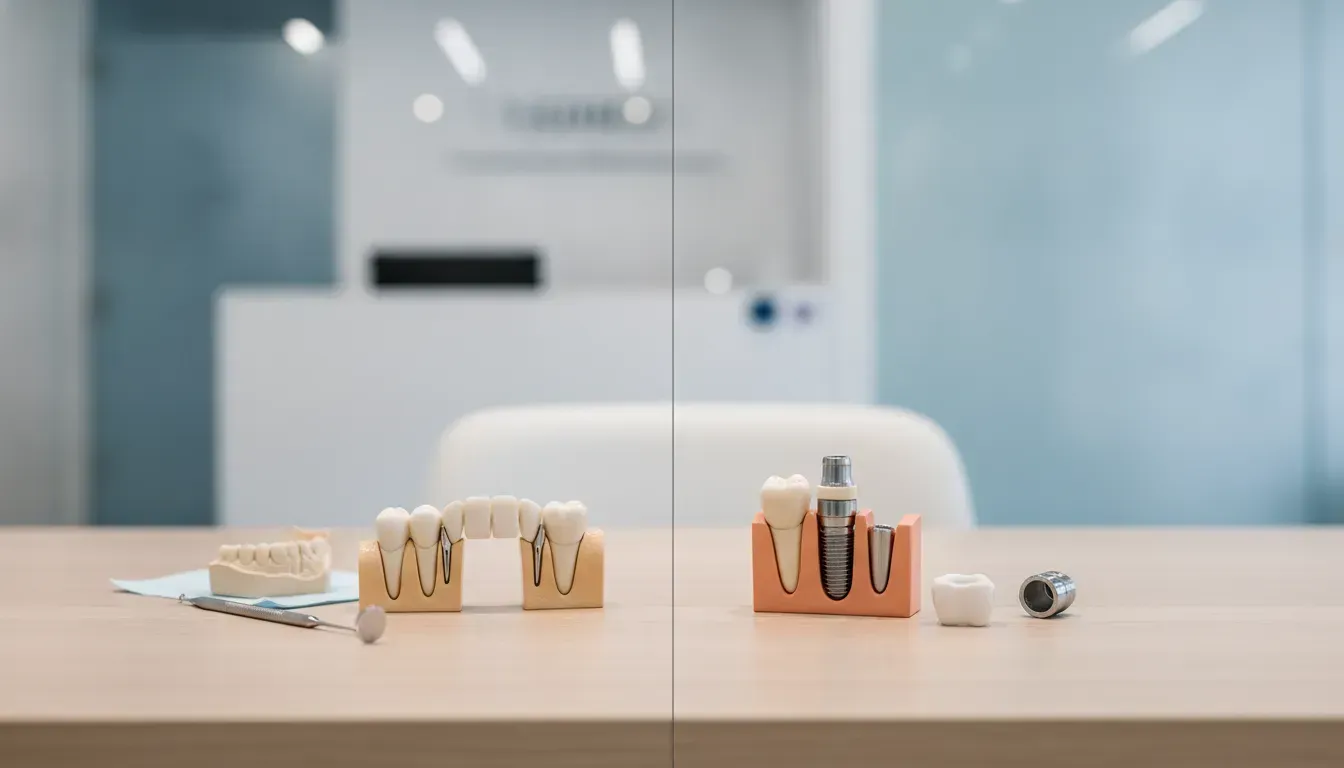
Teeth Whitening vs Veneers: Which Cosmetic Option Fits?
Compare teeth whitening and veneers by goals, process, maintenance, and limitations, with practical questions to ask before discussing a cosmetic dental plan.

When comparing teeth whitening vs veneers, start with what you want to change. Whitening lightens natural tooth color; veneers cover the visible front of selected teeth and may change their shade or shape. The right choice depends on the cause of the concern, oral health, the teeth involved, and the changes you are comfortable considering.
Discuss your smile goals · Call 770-230-1890 · Contact Bain Dental via our official contact form
A dental examination helps determine which approaches are suitable. This guide can help you prepare questions for a conversation at Bain Dental & Aesthetics Group, serving Bowdon, Carrollton, and Villa Rica. It is general information, not a diagnosis or an individualized recommendation.
The American Dental Association provides patient information through ADA.org. A dentist who examines your teeth and gums can explain how general information applies to your situation.
What is the main difference between whitening and veneers?
Professional whitening uses an agent to reduce certain stains in natural teeth. It does not cover a tooth or change its shape. Veneers are restorations placed on the visible front surface of selected teeth. Depending on the material and plan, a veneer may alter visible color and features such as shape or proportions. Veneers are not simply a stronger form of whitening: they require different planning and ongoing care.
Whitening may be worth discussing when shade is the main concern and the teeth are suitable for treatment. Veneers may be considered when concerns involve more than shade, or when discoloration has not responded as hoped. Neither option is automatically best. A dentist needs to assess teeth, bite, gums, existing restorations, and your goals before discussing a plan.
Which concerns matter in teeth whitening vs veneers?
Think about the concern, not just a treatment name. Whitening focuses on color. Veneers may offer broader cosmetic changes, but the process is more involved and requires careful consideration. A clear description of what bothers you helps the dentist evaluate whether the cause is cosmetic, structural, or related to oral health.
- Dull or uneven color: Ask whether whitening is appropriate and what change is realistic from your starting shade.
- Stains that remain: Ask what may be causing them and whether whitening, another treatment, or no cosmetic procedure makes sense.
- Shape or size: Whitening cannot reshape teeth. Ask whether veneers or another approach could address the feature you notice.
- Several concerns at once: Prioritize what matters most. A dentist can discuss whether one treatment or a staged plan is reasonable.
- Existing dental work: Crowns and fillings may not change color like natural teeth. Mention them before shade planning.
For background, review the practice's teeth whitening overview and information about veneer types. These pages can help you frame questions, but cannot determine what is suitable for you.
How does professional whitening work?
A dentist reviews your teeth and gums, discusses the shade you hope to achieve, and checks for concerns that should be addressed first. If whitening is appropriate, ask which method is proposed, what steps are involved, and what aftercare to follow. Some approaches take place in the office; others use take-home materials and directions. The recommended method and schedule vary by patient.
Before starting, ask about possible sensitivity, how to protect gums, and what to do if discomfort occurs. Do not use products more often or longer than directed. Mention pain, untreated decay, gum concerns, recent dental work, or prior sensitivity. If you have already used a product, bring its name or packaging and describe how often and how long you used it.
Clarify which teeth are expected to change and how existing restorations may look afterward. An agent intended for natural teeth may not change crowns, veneers, or fillings in the same way. If a restoration stands out after whitening, discuss options with the dentist rather than applying more product without guidance. A plan that considers the whole visible smile is more useful than focusing on a single shade sample.
What does veneer planning involve?
Planning starts with a discussion of your desired appearance and an examination of oral health and bite. The dentist explains which materials and steps may fit your case. Preparing a tooth may involve removing some enamel, depending on the treatment. Ask what preparation is planned and whether the process can be reversed; do not assume that it can.
Veneers are not a substitute for treating active decay or gum disease. Ask about the sequence, timing, temporary measures, and how the final appearance will be evaluated. Clarify what to do if a veneer feels uncomfortable or chips. Ask whether the proposed plan includes one tooth or several, and why that number addresses the concern.
Discuss how the proposed shade will relate to surrounding teeth and existing dental work. A reference photo can help explain your preferences, but it cannot promise an identical result. Tooth proportions and natural variation differ. Ask the dentist to explain what can realistically be changed and what will remain unchanged. If you want a subtle result, describe that plainly; if you prefer a brighter appearance, ask how that affects shade selection and coordination.
How does the cause of discoloration affect the discussion?
Color can change for different reasons. Surface staining may be associated with foods, drinks, tobacco, or other exposures. Color changes can also occur within a tooth. The cause can affect whether whitening is likely to help, so a dentist may examine the area and ask when the change began. A general description such as “yellow” or “dark” does not by itself identify the source.
Note whether the concern affects one tooth or several, whether it appeared suddenly, and whether it followed an injury or dental procedure. A single tooth that differs from its neighbors may need a focused evaluation. Describe whether the color has stayed stable or changed over time. Do not assume that applying more whitening product is the answer, especially when one tooth has changed noticeably.
Tell the dentist what you have already tried, including product names, frequency, and duration. This helps shape a safer discussion about next steps. If you have sensitivity, ask what might be causing it before beginning another whitening routine. If the concern is an old filling or crown that differs in color, ask whether the restoration itself should be evaluated rather than treating every natural tooth.
What alternatives should you ask about?
Whitening and veneers are not the only possible responses to a cosmetic concern. Depending on its cause, a dentist may discuss monitoring, treating an underlying issue, or another restorative approach. A small irregular edge, a cavity, an old restoration, and generalized shade concerns are different problems. Examination findings and the amount of tooth structure involved help guide the discussion.
Ask why the proposed treatment matches the cause. If a restoration is suggested, ask what it is meant to correct and whether a less involved option is reasonable. If no procedure is advised now, ask what changes to watch for and when to return. A useful explanation includes both what an option may improve and what it cannot change.
When several approaches seem reasonable, compare how much tooth structure is affected, whether natural structure changes, appointments involved, maintenance, and possible future repair. You can ask for time to consider the options. There is no need to decide during the visit before you understand the plan. A second conversation may help you sort through details if the treatment is elective and you remain unsure.
Can whitening and veneers be combined?
A dentist may discuss whitening natural teeth before planning veneers when shade coordination with surrounding teeth matters. Sequence is important because restorations do not whiten like natural teeth. The dentist should determine whether whitening is suitable and when to select a final shade. Do not whiten during a veneer plan without checking with the treating dentist, since a change in natural tooth shade can affect coordination.
Not everyone needs or benefits from both. If one tooth is the concern, or if an underlying dental issue is present, another approach may be advised. Ask why each proposed step is included, what order is recommended, and what alternatives are available. If treatment is staged, clarify what decision will be made after each stage and what findings could change the next step.
What should you consider before choosing?
Compare more than the immediate appearance. Consider the concern, the extent of treatment, maintenance, oral health, and your expectations. Ask for a plan that explains benefits and tradeoffs specific to you. The following prompts can turn a broad preference into a practical discussion.
- Goal: Is shade the main concern, or do you also want to discuss shape and size? Identify the one change that matters most to you.
- Tooth condition: Are there cavities, cracks, gum concerns, sensitivity, or restorations to consider first?
- Tooth structure: Would veneer preparation alter natural structure, and what are the long-term implications?
- Repairs: What could damage or change the result? If you grind or clench, should that affect the discussion?
- Maintenance: What home care and routine visits will be needed? Whitening may require touch-ups; veneers also require care and can be damaged.
- Expectations: What result is realistic for your starting point and nearby teeth?
- Costs: Request a written explanation of proposed steps and fees. Costs depend on the individual plan.
How can you compare the full treatment plan?
Ask what happens before treatment, during appointments, and afterward. For whitening, confirm the method, how to use take-home materials, how long to follow directions, and whom to contact with questions. For veneers, ask how many teeth are involved, what preparation is planned, whether temporary restorations are used, and when the final restorations will be reviewed.
Ask for the plan in writing. If several veneers are proposed, clarify how the number was chosen and what happens with teeth outside that group. If whitening is proposed, clarify which teeth are expected to change and whether existing crowns or fillings may remain a different shade. Written details make options easier to compare fairly, especially if the options involve different numbers of teeth or appointments.
Timing may matter if you have an upcoming event. Tell the dentist, but do not assume a particular result or timeline can be guaranteed. Ask what steps must come first and how long the plan may take. Active dental concerns may need attention before cosmetic care. Planning around them is more sensible than rushing into a procedure without understanding the sequence.
Discuss cost alongside clinical steps. Ask what each step costs, whether follow-up is included, and what could add charges. If comparing options, request estimates for plans that address the same goal. A lower initial figure may not represent the same treatment or maintenance. Generic online prices cannot account for examination findings, number of teeth, materials, or your specific plan. Ask what is included in an estimate, what is separate, and when you will receive an updated amount if the plan changes.
One practical way to compare is to write each option in a separate column. Under each, note the intended change, teeth involved, appointments, preparation, likely upkeep, and questions still unanswered. For example, someone concerned only about a generally dull shade might ask whether whitening addresses that goal before considering a restoration. Someone concerned about both shade and a chipped edge might ask what each option can and cannot correct. These are conversation examples, not recommendations; an examination may lead to a different discussion.
How can you prepare for a consultation?
Before the visit, write down what bothers you, when you first noticed it, and what you have tried. Bring a list of dental work, sensitivity, medicines, and health conditions to discuss. Photos can help express preferences, but treat them as examples, not promises. If you have a particular event or timing concern, mention it early so the dentist can explain whether it affects planning.
- Ask the dentist to explain the likely cause of the concern and what was observed on examination.
- Ask whether whitening, veneers, another treatment, or no treatment is appropriate, and why.
- Request the steps, timing, risks, alternatives, and maintenance for the proposed plan.
- Ask how fillings, crowns, or other restorations affect shade planning.
- Review a written estimate and confirm what it includes before agreeing.
- Ask what changes or symptoms should prompt a call, and whom to contact after treatment.
Review the practice's smile makeover information and its dental services before your appointment. Keep a written question list so you can reflect on the answers without feeling rushed. If you do not understand a term, ask for an explanation in plain language.
What should you do if you feel uncertain?
Pause if you do not understand the tradeoffs. Write down what is clear and what remains uncertain. Ask the dentist to explain the recommendation in plain language, identify which teeth would be treated, or describe what could happen if you wait. Ask which risks relate to your oral health and what changes warrant follow-up.
Consider whether the proposed change matches your priorities. Explain what you like in a reference photo rather than treating it as an exact target. The dentist can discuss what may be achievable while considering oral health. You may ask whether a staged approach makes sense, such as addressing an oral health need and then reassessing the appearance concern.
It can help to separate “must address” from “would like to change.” For example, a tooth that needs evaluation for pain is a different priority from a preference for a brighter shade. Ask the dentist to distinguish any health-related recommendation from an elective cosmetic option. This makes the choices, timing, and estimate easier to understand without implying that every concern requires treatment.
How should you care for the result?
Good daily oral hygiene and regular dental care matter whichever option you choose. Follow your dentist's directions and report sensitivity, discomfort, or a change in a restoration. Do not use teeth to open packages or bite hard objects. If you grind or clench, ask whether a protective appliance should be considered. Care instructions should reflect the treatment you actually receive, not a generic online routine.
Whitening results can change with foods, drinks, tobacco, and normal aging. Ask whether and when touch-ups are appropriate. Veneers do not make underlying teeth immune to decay or gum problems, so brushing, cleaning between teeth, and checkups remain important. Do not assume a restoration lasts a fixed number of years; individual factors and care matter. Ask how to respond if a veneer chips, feels loose, or becomes uncomfortable rather than attempting a repair at home.
Keep the dentist informed if your plans change or if you notice a new concern. A change in color, new sensitivity, or discomfort may deserve assessment before you repeat a cosmetic treatment. Routine follow-up also gives you a chance to discuss whether your maintenance plan remains appropriate.
Contact Bain Dental about your options
Frequently asked questions about teeth whitening vs veneers
Does whitening change crowns or veneers?
Whitening is intended to change natural tooth color; restorations may not respond in the same way. Tell your dentist about crowns, veneers, and fillings before planning a shade change so the likely differences can be discussed.
Are veneers permanent?
Preparing teeth may involve removing enamel. Ask whether the proposed treatment can be reversed and what future maintenance, repair, or replacement could involve. The answer depends on the planned preparation and your case.
Can whitening make teeth sensitive?
Some people experience sensitivity during or after whitening. Ask what to expect, how to follow directions, and whom to contact if discomfort is severe or continues. Share any existing sensitivity before treatment.
Which option costs less?
There is no single price for every patient. Costs depend on method, number of teeth, materials, and the clinical plan. Request a written estimate and ask what it includes, including follow-up or possible additional steps.
Can I decide from a photograph?
A photograph can help describe preferences, but it cannot show whether teeth and gums are healthy enough for treatment or predict an exact result. Use it as a conversation aid and ask for an examination.
Arrange a cosmetic consultation
Whitening and veneers serve different purposes. Discuss your oral health, priorities, and willingness to maintain the result, and make sure you understand the plan and alternatives before choosing.