Financing for Veneers: Questions to Ask Before Treatment
Explore financing for veneers, compare payment routes, and learn what to ask about estimates, insurance, timing, and monthly costs before treatment.

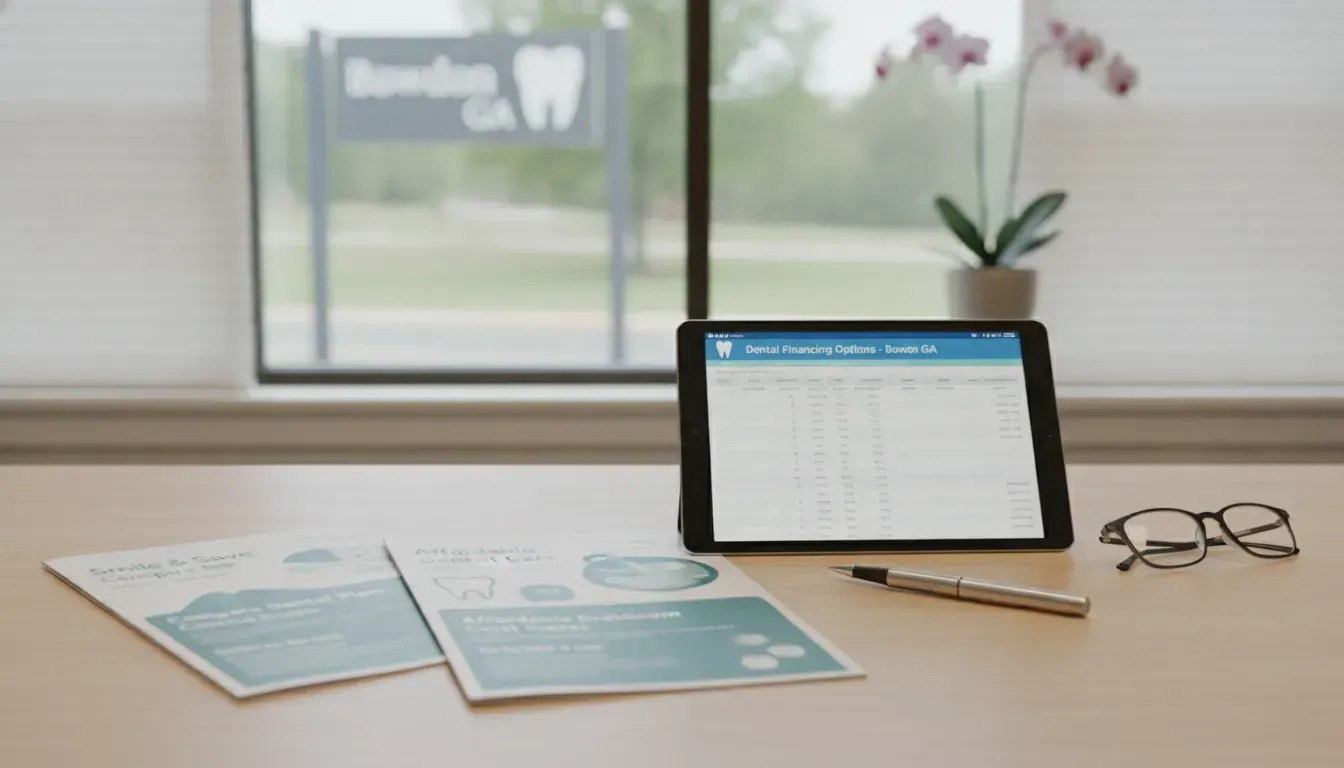
Financing for veneers may involve paying directly, using a dental savings or credit option, or arranging payments through a third-party provider. The right approach depends on your treatment plan, budget, and the terms available to you. Before choosing, ask for a written estimate and compare the total amount you may payânot only a monthly payment.
Call Bain Dental to discuss your veneer consultation
What does financing for veneers mean?
Financing is a way to manage the cost of care over time rather than paying the entire amount at once. The word can refer to different arrangements. A patient may pay in full, use a credit account or loan offered by a third party, or use a practiceâs own payment option if one is available. These arrangements are not interchangeable, and approval or terms can vary.
Start by separating two questions:
- What care is being proposed? The number of teeth, material, preparation, laboratory work, and any additional treatment can affect an estimate.
- How will you pay? The payment method has its own terms, timing, fees, and eligibility requirements.
A payment plan does not determine whether veneers are clinically appropriate. First discuss your goals, oral health, and treatment alternatives with a dentist. Bain Dentalâs comparison of veneers and crowns can help you prepare for a conversation about how these restorations differ, but it cannot determine which option suits your particular teeth.
What should you know about the estimate?
Ask for an itemized written estimate before comparing financing options. A useful estimate explains the proposed services and what the quoted amount includes. It should also make clear whether additional diagnostic or preparatory care may be needed, and whether those items are included or estimated separately.
Veneers are not a single uniform product or procedure. The treatment plan may differ based on the number of teeth, the condition of the teeth and gums, the desired changes, and the dentistâs clinical findings. Avoid assuming that a price quoted to another person will apply to you. Do not make a decision based on a promotional figure that leaves unclear what is included.
Ask the office to clarify:
- Which teeth are included in the proposed plan?
- What services are included in the estimate, and what might be billed separately?
- Are photographs, imaging, impressions or scans, temporary restorations, and follow-up visits included if needed?
- Could existing decay, gum concerns, or other oral-health needs affect the sequence or cost?
- How long is the estimate valid, and what could cause it to change?
- Will you receive a revised estimate if the clinical plan changes?
These questions are not a request for a guaranteed final cost before an examination. They help you understand the assumptions behind the estimate and identify what remains uncertain. If anything is unclear, ask for an explanation in writing before signing a financing agreement or scheduling treatment.
Which payment routes can you compare?
There is no single payment method that works for every patient. Compare the available routes using the same estimate and the same proposed treatment. Ask the practice which payment methods it currently accepts; availability can change and should not be assumed from a general article.
Paying directly
Paying directly may avoid borrowing costs, but it requires having the funds available at the time they are due. Ask when deposits or payments are due and whether the payment schedule is tied to particular treatment stages. Keep the estimate, receipts, and any written payment terms with your records.
Using a third-party financing option
A third-party lender or healthcare payment provider may offer a way to divide payments, subject to its eligibility requirements and contract. Read the agreement yourself. The provider, rather than the dental office, sets the credit decision and loan terms. Do not assume that an advertised promotional period or a stated monthly amount tells the full cost.
Ask whether the agreement includes interest, an annual percentage rate, an application or account fee, a deferred-interest feature, late charges, or a penalty for early repayment. Confirm the payment due date, the length of the repayment period, and what happens if you miss a payment. Ask how a promotional offer works and what balance or payment conditions apply when it ends. Get the answers from the lenderâs written terms, not solely from a verbal description.
Using a dental savings plan
A dental savings plan is not the same as insurance or a loan. Bain Dental has an in-house dental savings plan page; review its current terms and ask whether a particular service is eligible before counting on a discount. A savings plan does not by itself spread a balance over time, and it may have membership rules or exclusions. Confirm the current fee, benefits, eligible services, and any timing restrictions directly with the practice.
Combining payment approaches
Some people consider using more than one way to pay. Before doing so, check whether each provider permits that arrangement and how the practice applies payments. Write down the amount due from each source and the date it is due. Avoid taking on multiple balances until you understand the combined monthly obligation and the total amount you may repay.
How can you compare financing terms fairly?
Compare the total repayment, not just the monthly installment. A smaller payment can result from a longer repayment period and may mean paying more over time. A short promotional period may also require careful attention to its end date and conditions.
For each option, record the same details:
- Amount financed and any amount you must pay upfront
- Interest rate or APR, and whether the rate is fixed or can change
- Fees, including application, account, or late-payment fees
- Number and amount of scheduled payments
- Total repayment if every payment is made as scheduled
- Promotional terms and the date any offer expires
- Rules for early payoff, missed payments, and returns or changes to treatment
- Who to contact if a statement or balance does not match your records
Use the lenderâs written repayment disclosures to check the total. If the estimate changes because the treatment plan changes, ask whether the amount financed can be adjusted and what steps are required. Do not assume a lender will automatically update an approved amount or cancel a balance if you postpone care.
Be cautious about making a decision based only on a monthly payment that appears manageable. Test the payment against your regular budget, including housing, food, transportation, existing debt, and savings. Leave room for unexpected expenses. If you are unsure whether the terms fit your situation, take time to review them or speak with a qualified financial professional.
Does dental insurance pay for veneers?
Do not assume that a dental plan will cover veneers. Coverage depends on the specific contract, the clinical circumstances, and the planâs rules. A plan may treat a service differently depending on whether it is considered cosmetic or needed for another reason; only the insurer can explain how its contract applies to your case.
Call the number on your member card and ask the insurer about the proposed procedure and the teeth involved. Ask what documentation it needs, whether there are exclusions or frequency limits, and whether an alternate benefit could apply. Request a written predetermination or estimate of benefits if the plan offers one.
A predetermination is not a guarantee of payment. The final benefit may depend on eligibility and contract terms when the claim is processed. Check your deductible, annual maximum, waiting periods, network rules, and any patient share. Keep notes of the date, representative, and reference number for each call. For general questions about dental benefits, the American Dental Association is a professional resource; your insurer remains the source for interpreting your particular plan.
What questions should you ask before signing?
Bring a short list to your consultation and to any lender conversation. The practice can explain the proposed care and its payment policies. The lender can explain credit approval and repayment terms. Keep those roles distinct, so you know who is responsible for each answer.
- What are the treatment goals and alternatives?
- What is included in the written estimate, and what is not?
- Could I complete treatment in stages, and would that change the clinical plan or estimate?
- Which payment methods does the practice currently accept?
- Does the practice offer any payment arrangements, and where are the current terms documented?
- Who provides a third-party financing offer, and where can I review its full agreement?
- What is the total amount I may repay, including interest and fees?
- What happens if I need to delay, change, or cancel treatment?
- Who should I contact about a billing question after treatment?
Do not sign a contract you have not had time to read. Ask for copies of the estimate and financing terms. If an answer is only verbal, request written confirmation from the appropriate party.
Can treatment be planned in stages?
Ask the dentist whether staging is clinically appropriate for your situation. The answer depends on the examination, the condition of your teeth, and the treatment goals. Splitting treatment across visits or dates does not automatically lower the total cost, and delaying part of a plan may affect the result or the health of a tooth. A clinician should explain the benefits, risks, and timing before you make that choice.
If staging is an option, request a written sequence. Ask which services happen first, when payment is due for each stage, whether fees could change, and how the dentist will assess progress before proceeding. Ask what to do if your circumstances change between stages. The plan should describe what happens if additional care becomes necessary.
Do not choose a less suitable treatment solely because it appears easier to finance. If veneers are not recommended, ask why and what alternatives might address your concern. You can also ask what is involved in maintaining each option over time.
How can you prepare for a veneer consultation?
A little preparation can make the discussion more useful. Write down what you would like to change about your smile and what matters most to you, such as appearance, tooth preservation, timeline, or the ability to maintain the result. Bring a list of medications, relevant health conditions, and prior dental work, and share it with the dental team.
Before the visit, gather insurance details and any financing terms you are considering. Make a simple budget that includes the expected payment and other regular expenses. You do not need to decide on the spot. You can ask for time to review the plan and compare options after you understand the clinical recommendation.
Bain Dental provides care in Bowdon, Carrollton, and Villa Rica. The practiceâs first-visit information can help you prepare for an appointment. Confirm the location and appointment details with the office when arranging a visit.
What might a careful comparison look like?
Consider a hypothetical example. A patient receives a written plan and asks one provider about financing. The provider offers a lower scheduled payment over a longer term; another option has a shorter term but different fees. The patient does not compare the headline payment alone. Instead, they write down the amount due before financing, amount borrowed, APR, fees, payment count, scheduled amount, total if paid as agreed, and consequences of late payment. That side-by-side record shows which questions still need answers.
The example does not predict anyoneâs approval, offer, or treatment cost. It illustrates a useful process: compare the same treatment amount under each actual agreement, and avoid filling gaps with assumptions. If a lenderâs disclosure does not show the total clearly, ask the lender to explain it before accepting the offer.
A second useful check is a âchange in planâ scenario. Ask what happens if the dentist recommends additional care after examination, if you decide to postpone, or if the proposed number of teeth changes. The office can explain how a revised estimate would be handled; the lender can explain whether the credit agreement allows adjustment or what remains owed. These are separate questions, and the answers may come from different parties.
How can you keep the decision organized?
Use a simple folder, digital or paper, for the records connected with your decision. Keep the treatment estimate, written plan, insurer correspondence, lender disclosures, application records, receipts, and appointment notes together. Add the date to notes from calls and write down the name or department of the person who provided information. This can help if you need to reconcile a statement or confirm a term later.
Before accepting an offer, walk through the documents in order:
- Confirm that the estimate describes the treatment you discussed and identifies what is excluded or uncertain.
- Check that the amount requested from the lender matches the amount you intend to finance, including any upfront payment.
- Read the repayment terms, including rate, fees, timing, promotional conditions, and late-payment rules.
- Make sure you understand the officeâs payment schedule and how it relates to the lenderâs payment schedule.
- Save a copy of every signed document and note whom to contact about clinical, billing, insurance, and credit questions.
If any amount differs between documents, pause and ask the appropriate party to reconcile it in writing. A mismatch may have a simple explanation, but you should understand it before proceeding. Avoid relying on a verbal assurance that is not reflected in the estimate or contract.
Explore smile makeover information
Frequently asked questions about financing for veneers
Can I get veneers with no money down?
That depends on the payment options currently available, the lenderâs approval decision, and the terms of any offer. Ask the practice what methods it accepts and ask the lender whether a down payment is required. Review all fees and repayment terms before agreeing.
Is a low monthly payment always the best option?
No. A lower monthly payment may involve a longer repayment period or more interest and fees. Compare the total repayment, rate, duration, and conditions rather than using the monthly amount as your only measure.
Will insurance pay for my veneers?
Coverage varies by plan and clinical circumstances. Contact your insurer with details of the proposed treatment, ask about exclusions and documentation, and request written information if available. Do not treat a preliminary benefit estimate as a guarantee of payment.
Can I finance only part of the treatment?
Ask the practice and financing provider whether partial financing is possible and how payments would be applied. Also ask the dentist whether dividing the treatment is clinically appropriate. The payment method should not determine the clinical plan without a discussion of the implications.
What if I change my mind after applying?
Before applying or signing, ask the lender about cancellation, withdrawal, and repayment rules, and ask the practice about its scheduling and payment policies. Keep copies of the terms. The rules depend on the specific agreement and circumstances.
What is the next step?
Begin with a consultation and a written treatment estimate, then compare payment options using their full terms. Understanding both the dental plan and the repayment agreement can help you make a considered decision that fits your clinical needs and budget.