Are Teeth Bones? 7 Key Differences to Know
Wondering are teeth bones? Learn 7 key differences between teeth and bones, plus tips to protect your enamel, gums, and jaw for a healthy smile.

Are teeth bones? This question can lead to a better understanding of how your mouth works. Teeth contain hard minerals that help them handle daily chewing, but they also include softer inner tissues, nerves, and blood vessels. Bones remain living connective tissue throughout the body, including the jaw. The jawbone anchors your teeth, while your gums and periodontal ligaments help protect and stabilize them. When gum disease damages these supporting tissues, teeth may loosen even if the visible crowns look healthy. Regular exams and cleanings at Bain Dental & Aesthetics Group can help identify concerns before they affect your smile and bite.
Key Takeaways
Are Teeth Bones?
Teeth and bones can look alike because both are hard, mineral-rich parts of the body. They also contain some of the same materials, including calcium, phosphorus, hydroxyapatite, and collagen. Despite these similarities, teeth are not bones. Their structure, function, and ability to heal are different.
That distinction matters when you notice a chip, crack, cavity, or other change. Dental damage does not repair itself the way some bone injuries can. If you have pain or a visible change in a tooth, Bain Dental & Aesthetics Group’s dental services can help identify the cause and determine the right treatment.
Teeth are not bones
Teeth are made of several specialized tissues. Enamel covers the visible crown and forms the hardest substance in the human body. Under the enamel, dentin makes up most of the tooth and surrounds the pulp, which contains nerves and blood vessels. Cementum covers the root, while periodontal ligaments hold the tooth in its socket.
Bones are living connective tissue containing bone cells, blood vessels, and marrow. These features allow bones to grow, remodel, and repair certain injuries. As the Cleveland Clinic explains, bones can heal because they have living cells and an active blood supply throughout their structure.
Teeth do contain living tissue inside the pulp, but enamel has no blood vessels or cells. Once enamel wears away or breaks, your body cannot grow it back.
What teeth and bones share
Teeth and bones both contain hydroxyapatite, a calcium and phosphate mineral that provides hardness. They also contain collagen, a protein that supports the structure and strength of tissues. Calcium and phosphorus are concentrated in both, making a balanced diet important for dental and skeletal health.
Similar ingredients, however, do not make teeth and bones interchangeable. Bones provide support, protect organs, allow movement, and store minerals. Teeth help you chew, speak, and maintain a stable bite. Your jawbone anchors the teeth, creating an important connection between dental and skeletal health.
Why the difference matters
Bones can remodel and repair themselves after some injuries, but enamel cannot regenerate after it is lost. A chipped tooth will usually remain chipped unless a dentist repairs it with bonding, a filling, a crown, or another restoration.
Damage can also move deeper into the tooth. A cavity may pass from enamel into dentin and eventually reach the pulp, causing pain or infection. Cracks can allow bacteria to enter the inner tissues as well.
Contact a dental professional if you notice sensitivity, a rough edge, a dark spot, swelling, or persistent pain. Prompt care may help prevent a minor problem from becoming more extensive. Depending on the damage, treatment may include fluoride, a filling, a crown, or root canal therapy.
What Are Teeth and Bones Made Of?
Teeth and bones share several materials, including calcium, phosphorus, collagen, and hydroxyapatite. However, they are built differently for different jobs. Teeth are specialized structures that withstand biting and grinding, while bones are living connective tissue that supports the body, protects organs, stores minerals, and continually changes.
Understanding these differences can help you recognize why enamel, dentin, gums, and jawbone need different types of care. If you have tooth sensitivity, a damaged tooth, or changes in your gums, Bain Dental & Aesthetics Group’s dental services can help identify the cause and recommend treatment.
Tooth layers: enamel, dentin, pulp, and cementum
A tooth has four main layers. Enamel is the hard outer covering that protects against chewing pressure, bacteria, and temperature changes. It contains no living cells, so the body cannot rebuild enamel after it wears away. Brushing with fluoride toothpaste, limiting acidic foods and drinks, and receiving regular cleanings can help preserve it.
Under the enamel is dentin, a supportive layer with microscopic channels. When enamel becomes thin or gums recede, these channels can contribute to sensitivity. The center of the tooth is the pulp, which contains nerves and blood vessels. Deep decay, cracks, or trauma can inflame the pulp and may require root canal treatment.
Cementum covers the tooth root and helps connect it to the periodontal ligament. This ligament anchors the tooth to the jawbone. This overview of tooth structure explains how these layers work together.
Bone tissue: minerals, collagen, blood vessels, and marrow
Bone is living connective tissue made of cells, blood vessels, nerves, collagen, and minerals. Type I collagen gives bone flexibility and helps it handle tension, while calcium phosphate minerals provide hardness and resistance to compression.
Many bones also contain marrow, which produces blood cells and stores fat. Specialized bone cells continually remove old tissue and create new tissue, allowing bones to respond to growth, injury, physical activity, and changes in health.
The jawbone supports tooth roots and helps maintain facial structure. Gum disease, tooth loss, and some medical conditions can reduce the bone surrounding teeth. Bone’s living structure helps explain why jawbone tissue can change over time.
How hydroxyapatite and collagen work
Hydroxyapatite is a calcium phosphate mineral that gives teeth and bones much of their hardness. It is especially concentrated in enamel, helping teeth withstand repeated chewing. Plaque acids and acidic drinks can remove minerals from enamel, a process called demineralization. Saliva and fluoride help replace some minerals during the early stages of damage.
Collagen provides a flexible framework, particularly in dentin and bone. Bone combines collagen’s flexibility with hydroxyapatite’s hardness, creating tissue that is strong but not brittle. Teeth contain both materials too, but their proportions and arrangement differ. Cleveland Clinic explains the distinction between teeth and bones, including why enamel is hard but cannot repair itself like living bone.
How Teeth and Bones Differ
Teeth and bones share some important ingredients, including minerals and collagen, but they are different tissues with different jobs. Teeth are designed to withstand repeated biting and grinding, while bones provide structure, protect organs, and support movement. Their ability to repair damage also differs, which explains why a broken bone may heal naturally but a chipped tooth usually needs dental treatment.
Enamel does not remodel like living bone
Enamel is the hard outer layer that protects the visible part of each tooth. It is the strongest substance in the human body, but it is not living tissue. Enamel does not contain blood vessels or living cells, so the body cannot rebuild it after it chips, cracks, or wears away. The Cleveland Clinic explains the difference between teeth and bones in more detail.
Early enamel weakening may respond to fluoride and improved oral hygiene. However, a cavity or fracture that has already damaged the enamel will not reverse on its own. A dentist may repair the tooth with bonding, a filling, or a crown. Contact Bain Dental & Aesthetics Group if you notice a rough edge, sensitivity, discoloration, or a visible chip.
Tooth roots, dentin, and pulp
Enamel is only one part of a tooth. Beneath it is dentin, a firm layer that makes up most of the tooth and supports the enamel. Dentin contains tiny channels that connect to the inner tooth. When enamel wears down or the gums recede, exposed dentin can cause sensitivity to cold, heat, sweets, or touch.
The center of the tooth contains the pulp, which has nerves, blood vessels, and connective tissue. Below the gumline, the root anchors the tooth in the jaw. Cementum covers the root, and small ligaments attach it to the surrounding bone. If decay or a crack reaches the pulp, inflammation or infection may develop, sometimes requiring a root canal or extraction.
Compact bone, spongy bone, and bone cells
Bone is living connective tissue with an internal structure built for strength and flexibility. Compact bone forms the dense outer layer. Spongy bone sits inside and has a lighter, honeycomb-like pattern that helps absorb force without making the bone unnecessarily heavy. Many bones also contain marrow, where blood cells are produced.
Bone includes cells that continually remove older tissue and create new tissue. This process, called remodeling, helps bones respond to normal wear, physical stress, aging, and minor injuries. The jawbone remodels, too. It supports tooth roots and adapts to the pressure created by chewing.
When a tooth is lost, the jawbone in that area may gradually shrink because the root no longer provides the same stimulation. This is one reason dentists may discuss tooth replacement options, such as implants, bridges, or dentures.
How blood supply, nerves, and cells differ
Bone has a blood supply that delivers oxygen and nutrients to its living cells. Those cells also remove waste and help maintain the tissue. Because bone is living and constantly remodeling, it can repair many fractures over time.
Teeth contain living tissue only in specific areas. The pulp has blood vessels and nerves, but enamel has neither. Dentin can respond to irritation, although it cannot repair itself in the same way as bone. A cavity may not hurt when it is limited to the enamel, but pain can develop when decay reaches the dentin or pulp.
This difference makes prompt dental care important after trauma. A chipped enamel edge will not grow back, and a tooth with pulp damage may become infected. Seek care for severe pain, swelling, a crack, or a knocked-out tooth instead of waiting for the problem to resolve.
Why Bones Heal but Teeth Do Not
Bones and teeth both contain minerals that give them strength, but they respond to damage in different ways. Bone is living tissue with blood vessels, cells, and marrow, so it can repair small injuries and remodel itself over time. Teeth contain living tissue inside them, but their outer protective layer, enamel, cannot rebuild after it wears away or breaks.
This difference explains why a broken bone may heal with time, while a cavity, chip, or crack usually needs professional dental treatment. Understanding how each structure responds to injury can help you recognize problems early and seek care before the damage becomes more serious.
How bones remodel and repair fractures
Bone is active, living tissue. Blood vessels supply it with oxygen and nutrients, while specialized cells continually remove older bone and replace it with new tissue. This ongoing process, known as remodeling, helps bones stay strong and adapt to everyday movement and pressure.
When a bone breaks, the body sends blood, cells, and healing materials to the injured area. A temporary clot forms around the fracture, followed by soft tissue and new bone. Over time, the repaired area reshapes and strengthens. The Cleveland Clinic explains how bones grow, repair small fractures, and remodel throughout life.
Teeth do not have this same repair system in their outer layers. The pulp contains nerves and blood vessels, but enamel has no living cells or direct blood supply. Once enamel is lost, the body cannot replace it in the same way it replaces damaged bone.
Why enamel cannot regrow
Enamel is the hard, mineral-rich outer layer of a tooth. It protects the deeper dentin and pulp from chewing pressure, bacteria, temperature changes, and acids. Specialized cells form enamel while a tooth develops, but those cells disappear after the tooth finishes developing.
Because mature enamel has no enamel-forming cells, it cannot regenerate after a chip, deep cavity, or significant erosion. Early mineral loss may sometimes be slowed or partly reversed by saliva and fluoride, especially before a cavity forms. However, established damage will not grow back on its own. The Cleveland Clinic notes that damaged enamel does not regenerate.
A dentist may recommend fluoride, bonding, a filling, a veneer, or a crown based on the extent of the damage. Treating weakened enamel early can help reduce sensitivity and prevent bacteria from reaching the deeper parts of the tooth.
How dentin responds to irritation
Dentin sits beneath the enamel and makes up much of the tooth. It contains tiny channels that lead toward the pulp, where the tooth’s nerves and blood vessels are located. When dentin becomes exposed or damaged, these channels can make the tooth sensitive to cold, heat, sweets, or pressure.
Dentin has a limited protective response. When irritation reaches it, the tooth may produce a small amount of protective tissue near the pulp. This response can slow the spread of irritation, but it cannot replace missing enamel or close an existing cavity. Acibadem International explains how dentin responds to irritation without fully regenerating the tooth.
Ongoing sensitivity, pain, or a dark spot may indicate decay, a crack, worn enamel, or inflammation inside the tooth. A dental examination can identify the cause and determine whether you need a filling, crown, root canal, or another treatment.
What to do after a chipped, cracked, or knocked-out tooth
Contact a dentist promptly after a significant tooth injury, even if the damage does not hurt. A chipped tooth may have a sharp edge or exposed dentin, while a crack can extend toward the pulp and worsen when you chew. Depending on the injury, treatment may include bonding, a filling, a crown, or root canal therapy. Restorative dental treatments can repair or replace badly damaged teeth.
If a permanent tooth is knocked out, hold it by the crown rather than the root. Gently rinse it with water, but do not scrub it. If possible, place it back in the socket. Otherwise, keep it moist in milk or saliva and seek emergency dental care immediately. Do not let the tooth dry out or wrap it in tissue. For help after dental trauma, contact Bain Dental & Aesthetics Group, especially if you have severe pain, swelling, bleeding, or a possible jaw injury.
How Teeth and Bones Work Differently
Teeth and bones work together, but they have different structures and responsibilities. Teeth provide hard surfaces for biting and grinding food. Bones form the body’s framework, support movement, protect vital organs, and store important minerals.
The jaw is where dental and skeletal health meet. Teeth sit within the jawbone and rely on the periodontal ligament, gums, and surrounding bone for stability. In return, healthy teeth help the jaw handle the pressure created by chewing. Problems affecting the gums, teeth, or jawbone can therefore influence more than your smile. They may affect your bite, speech, comfort, and ability to eat.
Teeth and bones also respond differently to injury. Enamel, the hard outer layer of a tooth, cannot repair itself once it is permanently damaged. Bone is living tissue with blood vessels and cells that help it remodel and heal. Knowing how these structures work can help you understand why dental concerns deserve timely care.
How teeth support chewing, speech, appearance, and bite
Teeth help you bite, tear, and grind food into smaller pieces. Their size, shape, and position determine how your upper and lower teeth meet, a relationship known as your bite. Missing, crowded, worn, or damaged teeth can make chewing uncomfortable and may allow nearby teeth to shift.
Teeth also help shape sounds by guiding airflow and supporting the tongue and lips. Their color, shape, and alignment contribute to the appearance of your smile. When teeth change, you may notice differences in speech, facial appearance, or daily comfort. Restorative and cosmetic dental treatments, including crowns, veneers, teeth whitening, and smile makeovers, can address both function and appearance.
How bones support movement, protection, and mineral storage
Bones form your skeleton, giving your body shape, supporting your weight, and protecting organs such as the brain, heart, and lungs. They also provide attachment points for muscles, allowing you to walk, bend, lift, and perform everyday activities.
Bone is living tissue. It contains cells, blood vessels, and marrow, which help bones grow, repair small injuries, and remodel in response to physical demands. Bones also store minerals such as calcium and phosphorus, which the body uses for several essential functions. The jawbones support the teeth and help shape the lower face, making their health important to both oral function and facial structure. The Cleveland Clinic explains how bones grow and repair themselves.
How the jaw connects dental and skeletal health
Each tooth is held in the jaw by its roots, cementum, the periodontal ligament, and the surrounding alveolar bone. Together, these tissues create a support system that helps keep teeth stable and absorbs some of the force created during chewing. Healthy gums form a seal around the teeth, helping protect deeper tissues from harmful bacteria.
Gum disease can damage the bone supporting your teeth, even when the visible parts of the teeth appear healthy. As bone support decreases, teeth may loosen, shift, or change the way they meet. Warning signs include bleeding gums, persistent bad breath, gum recession, loose teeth, and changes in your bite. Regular exams, cleanings, and gum evaluations can identify concerns early. Bain Dental & Aesthetics Group provides gum therapy and comprehensive dental care for patients in Bowdon, Carrollton, Villa Rica, and surrounding communities.
How Teeth Connect to the Jawbone
Teeth are not loosely set inside the mouth. Each one is anchored to the jaw by a network of tissues that provides stability, cushioning, and support. This connection allows you to bite, chew, speak, and smile comfortably. It also explains why problems affecting the gums or jawbone can eventually threaten teeth that appear healthy.
The upper and lower jaws contain a specialized type of bone called alveolar bone. It surrounds the tooth roots and responds to the pressure created by chewing. Healthy gums form a protective seal around each tooth, while the periodontal ligament connects the root to the surrounding bone. When these structures remain healthy, they help keep teeth secure and protect the tissues beneath the gumline.
How roots, cementum, ligaments, gums, and alveolar bone work together
The crown is the visible part of the tooth, but the root extends below the gumline and into the jaw. A hard tissue called cementum covers the root and provides a surface for the periodontal ligament to attach to. This ligament connects the tooth to the alveolar bone and helps absorb some of the pressure created during chewing.
Gum tissue protects this support system by forming a seal around the tooth. That seal helps keep bacteria and food particles away from the root and underlying bone. As research on tooth support structures explains, the root, cementum, periodontal ligament, gums, and alveolar bone work together as one system.
How gum disease damages jawbone support
Gum disease can begin with plaque buildup and inflammation along the gumline. Early signs may include bleeding during brushing or flossing, red or tender gums, persistent bad breath, and changes in the way your teeth fit together. Without treatment, inflammation may move below the gumline and damage the periodontal ligament and alveolar bone.
As the supporting tissues break down, pockets can form between the gums and teeth. These spaces may collect more bacteria, allowing the infection to progress. Teeth can become loose even when the visible tooth structure remains intact. Regular exams, professional cleanings, and gum evaluations can help identify problems early. Bain Dental & Aesthetics Group offers gum therapy and comprehensive dental services to help patients protect their oral health.
Why missing teeth cause jawbone loss
The jaw receives stimulation whenever you bite and chew. Tooth roots help deliver that stimulation to the surrounding bone. When a tooth is lost or removed, the bone in that area no longer receives the same pressure and may gradually shrink. This process, called bone resorption, can change the shape and volume of the jaw.
Bone loss may affect nearby teeth, alter your bite, and make a denture harder to stabilize. It can also reduce the bone available for a future dental implant. Replacing a missing tooth may help restore function and preserve support, depending on your oral health. Treatment options can include a bridge, denture, implant, or bone graft. A dental evaluation can help determine which approach fits your needs.
How implants connect with the jawbone
A dental implant replaces the root portion of a missing tooth. After placement, the implant can bond with the surrounding jawbone through a process called osseointegration. This connection provides a stable foundation for an abutment and crown. Implants can also support larger restorations, including implant-supported dentures and full-mouth implant treatments.
Successful implant treatment depends on adequate bone volume, healthy gums, and careful planning. Some patients need gum therapy or a bone graft before implant placement. Bain Dental & Aesthetics Group provides dental implants and full-mouth implant care, with treatment planned around each patient’s oral health, comfort, and long-term goals.
Protect Your Teeth, Gums, and Jawbone
Your teeth may feel strong, but they still need daily protection. Enamel cannot repair major damage on its own, and gum disease can weaken the jawbone that supports your teeth. Small habits, such as brushing carefully, choosing tooth-friendly foods, and wearing a mouthguard when needed, can make a lasting difference. Professional exams also help your dental team find problems before they cause pain or threaten the health of your teeth, gums, or jaw.
Brush twice daily and floss daily
Brush twice a day with fluoride toothpaste, using gentle, circular motions along your teeth and gumline. Fluoride helps strengthen enamel, while brushing removes plaque before it hardens into tartar. Avoid pressing too firmly, since aggressive brushing can irritate your gums and contribute to sensitivity.
Floss once a day to clean the spaces your toothbrush cannot reach. Curve the floss around each tooth and guide it below the gumline without snapping it into the tissue. If regular floss is difficult to use, ask your dentist about floss picks, interdental brushes, or a water flosser. The American Dental Association’s flossing guidance offers helpful techniques for cleaning between your teeth.
Limit sugar and acidic drinks
Sugary foods and drinks feed bacteria that produce acids. These acids can weaken enamel and contribute to cavities. Acidic options, including soda, sports drinks, citrus beverages, wine, and vinegar-based foods, can also wear away enamel directly. Over time, this erosion may lead to sensitivity, discoloration, or increased risk of cracks.
Choose water more often, especially between meals. Try not to sip sweet or acidic drinks throughout the day, since repeated exposure gives your enamel less time to recover. Rinsing with water after consuming acidic foods or drinks can help clear residue. Wait before brushing, however, because enamel may be temporarily softened by acid. Your dentist can recommend additional strategies if you experience frequent sensitivity or erosion.
Eat foods with calcium and vitamin D
Calcium and vitamin D support bone health, including the jawbone that anchors your teeth. Good sources of calcium include dairy products, leafy greens, tofu, almonds, and fortified milk alternatives. Vitamin D helps your body absorb calcium and can be found in foods such as fatty fish, eggs, and fortified dairy products.
A balanced diet also supports saliva production and your mouth’s natural defenses. Saliva helps wash away food particles and supplies minerals that support enamel. Nutritional needs vary, so do not start supplements without speaking with your physician. During a routine dental exam at Bain Dental & Aesthetics Group, you can also ask how your diet may relate to sensitivity, gum health, or other oral concerns.
Avoid tobacco, excessive alcohol, and hard objects
Tobacco can irritate your gums, increase the risk of oral disease, and slow healing after dental treatment. Excessive alcohol use may contribute to dry mouth, which reduces saliva’s protective role. If you use tobacco or drink heavily, talk with a healthcare professional about support for cutting back or stopping.
Protect your teeth from avoidable chips and cracks by not chewing ice, pens, fingernails, or other hard objects. Never use your teeth to open packages, remove tags, or cut materials. These habits can damage natural teeth and place extra stress on fillings, crowns, veneers, and bridges. If you notice a new chip or crack, schedule an evaluation instead of waiting for pain to develop.
Wear mouthguards for grinding and sports
Teeth grinding and clenching, known as bruxism, can flatten enamel, increase sensitivity, and strain the jaw joints. A custom night guard can cushion your teeth and help reduce damage while you sleep. If you wake with jaw soreness, headaches, tooth sensitivity, or worn-looking teeth, mention these symptoms at your appointment.
Wear a properly fitted sports mouthguard during activities that involve contact, falls, or fast-moving equipment. A mouthguard can reduce the risk of chipped, cracked, or knocked-out teeth. Store it in a ventilated case and clean it as directed. Bain Dental & Aesthetics Group provides comprehensive dental services, including care for concerns involving your teeth, gums, bite, and jaw function.
Schedule regular exams, cleanings, and gum evaluations
Routine dental visits can identify cavities, enamel wear, gum inflammation, and bite concerns before they become painful. Your dentist may examine areas that are difficult to see at home and recommend X-rays when appropriate. Professional cleanings remove hardened tartar that brushing and flossing cannot eliminate.
Do not wait for bleeding, swelling, bad breath, sensitivity, or loose teeth before scheduling care. Gum disease can develop quietly and may eventually damage the bone supporting your teeth. Regular preventive and gum care helps your dental team monitor changes and recommend treatment based on your needs. If you have a history of gum disease, tobacco use, grinding, or missing teeth, ask how often you should return for follow-up visits.
Recognize Enamel, Gum, and Jawbone Problems
Dental problems can begin with changes that are easy to overlook, such as occasional sensitivity, bleeding during brushing, or a small mark on a tooth. These signs may point to enamel wear, tooth decay, gum disease, an infection, or reduced jawbone support. Since teeth and bones have different structures and healing abilities, recognizing symptoms early is important. The Cleveland Clinic explains why enamel cannot repair itself in the same way living bone can heal and remodel.
Pay attention to changes in your teeth, gums, bite, and face. Some symptoms can wait for a scheduled dental exam, while others require prompt or emergency care. Bain Dental & Aesthetics Group offers comprehensive dental services for patients in Bowdon, Carrollton, Villa Rica, and nearby communities, including preventive care, gum therapy, emergency dentistry, extractions, implants, and restorative treatment.
Watch for sensitivity, white spots, cavities, and erosion
Sensitivity to cold, heat, sweets, or brushing may mean enamel has worn down or tooth decay has reached the dentin beneath it. White spots can indicate early enamel demineralization. Without treatment, a weakened area may develop into a cavity, visible hole, or dark spot.
Acidic drinks, frequent snacking, acid reflux, aggressive brushing, and inconsistent oral hygiene can contribute to enamel erosion. Sensitivity that lingers or worsens deserves a dental examination, even if you do not see a cavity. A dentist can identify the cause and recommend care such as fluoride treatment, a filling, or a crown. Because enamel does not grow back after it is lost, the Cleveland Clinic’s overview of tooth structure shows why protecting it matters.
Recognize chips, cracks, pain, and color changes
A chipped or cracked tooth may result from an injury, teeth grinding, biting hard foods, or untreated decay. A small chip can leave a rough edge, while a deeper crack may allow bacteria to reach the inner tooth. Pain when biting, lingering sensitivity, or a sharp response to hot and cold temperatures should be evaluated by a dentist.
Color changes can also provide important clues. A tooth that turns gray, brown, or noticeably darker may have been affected by trauma or damage to the pulp. A fractured tooth does not heal like a broken bone. As OMFS explains, a chipped tooth remains damaged unless a dental professional repairs it. Depending on the location and severity, treatment may include bonding, a crown, root canal therapy, or extraction.
Look for bleeding, receding gums, bad breath, and loose teeth
Healthy gums should not regularly bleed during brushing or flossing. Bleeding, persistent bad breath, redness, swelling, and tenderness may indicate gingivitis or gum disease. Receding gums can expose the sensitive roots of teeth, while loose teeth may indicate damage to the tissues and bone that hold them in place.
These symptoms are not simply a normal part of aging, and gum disease can progress with little discomfort. A dental exam and gum evaluation can identify inflammation and determine whether you need improved home care, a professional cleaning, or gum therapy. The American Dental Association’s information about periodontal disease explains common warning signs and why treatment matters.
Notice bite changes, facial swelling, and jawbone concerns
A new change in the way your teeth fit together may signal tooth movement, teeth grinding, an infection, or weakened support around the teeth. Schedule an evaluation if chewing feels uneven, your jaw becomes sore, or a denture or removable appliance no longer fits as it should. Facial swelling, tenderness near the jaw, or a bump along the gums also deserves professional attention.
The jawbone supports tooth roots, so problems below the gumline may not be visible at home. Advanced gum disease, an abscess, impacted wisdom teeth, and missing teeth can affect the bone. During an examination, your dentist may use dental X-rays or other imaging to assess areas that cannot be seen directly. Early treatment may help preserve the support around your teeth and prevent a smaller concern from becoming more complex.
Seek urgent care for trauma, swelling, or severe pain
Contact a dentist promptly after a blow to the mouth, particularly if a tooth is loose, displaced, cracked, or knocked out. If a permanent tooth is knocked out, hold it by the crown rather than the root, gently rinse it if it is dirty, and keep it moist while seeking emergency dental care. You may place it back in the socket only if you can do so without force. Do not scrub the tooth or delay calling a dental office.
Severe tooth pain, rapidly increasing swelling, fever, trouble swallowing, or difficulty breathing can signal an infection requiring immediate care. Salinas Smiles recommends dental attention for lasting sensitivity, pain, visible holes, dark spots, chips, or cracks. If swelling affects your breathing or swallowing, seek emergency medical care immediately instead of waiting for a routine dental appointment.
Dental Treatments That Repair and Replace Teeth
Teeth can often be repaired when decay, infection, wear, or injury affects their structure. When a tooth cannot be saved, a replacement can help restore chewing, speech, appearance, and bite function. The right treatment depends on the tooth’s condition, the health of your gums and jawbone, and your long-term goals.
Bain Dental & Aesthetics Group offers comprehensive dental services for patients in Bowdon, Carrollton, Villa Rica, and nearby communities. Your dentist can examine your teeth, explain your options, and create a treatment plan based on your needs.
Use fluoride, sealants, fillings, and crowns
Fluoride helps strengthen enamel and may reverse the earliest signs of tooth decay. Your dentist may recommend a professional fluoride treatment if you have a higher risk of cavities. Dental sealants provide additional protection by covering the grooves on the chewing surfaces of back teeth, where plaque and food particles can collect.
If decay creates a cavity, a filling removes the damaged portion and restores the tooth’s shape. A crown may be recommended when a tooth is weak, cracked, severely worn, or has a large filling. The crown fits over the remaining tooth to protect it and support normal function. You can learn more about enamel, dentin, and tooth structure in Healthline’s explanation of how teeth differ from bones.
Treat root canals, extractions, and wisdom teeth
A root canal can preserve a tooth when decay, a crack, or an injury allows bacteria to reach the pulp inside. During treatment, the dentist removes the infected or inflamed tissue, cleans the canals, and seals the tooth. A crown may be placed afterward to protect the tooth from further damage.
Extraction may be the safest option when a tooth is severely damaged, cannot be restored, or threatens nearby teeth. Wisdom teeth can become impacted, crowded, or difficult to clean, which may cause pain, infection, or gum problems. Bain Dental & Aesthetics Group’s team includes a board-certified oral and maxillofacial surgeon who provides care for complex extractions and other surgical needs. Explore root canal and extraction services to learn more about available care.
Treat gum disease with gum therapy
Healthy gums help hold teeth in place, but plaque and tartar can cause inflammation and infection along or below the gumline. Early gum disease may cause bleeding, redness, tenderness, or persistent bad breath. Without treatment, it can damage the tissues and jawbone that support your teeth.
Gum therapy may include scaling and root planing, a deep cleaning that removes buildup below the gumline and smooths the tooth roots. Your dentist may also recommend improved brushing and flossing habits, more frequent cleanings, or follow-up appointments to monitor your gums. The American Dental Association’s overview of periodontal disease explains how gum disease can affect the tissues supporting your teeth.
Replace teeth with bridges, dentures, implants, and bone grafts
Missing teeth can make chewing more difficult and may allow neighboring teeth to shift. A dental bridge replaces one or more missing teeth by securing an artificial tooth to nearby teeth. Dentures can replace several missing teeth or an entire arch, helping restore everyday function and appearance.
Dental implants replace a missing tooth root with a small post placed in the jawbone. After the implant heals, it can support a crown, bridge, or denture. If the jawbone does not have enough volume to support an implant, a bone graft may help rebuild the area first. Bain Dental & Aesthetics Group offers dental implants, dentures, and full-mouth implant treatment, with recommendations based on your oral health and goals.
Correct bites with braces, ClearCorrect™, and Invisalign®
Orthodontic treatment does more than straighten teeth. It can improve the way your upper and lower teeth meet, which may make chewing and cleaning easier. Correcting crowding, spacing, or bite problems can also reduce areas where plaque collects and create a more balanced smile.
Traditional braces use brackets and wires to move teeth gradually. ClearCorrect™ and Invisalign® use a series of removable, clear aligners for many alignment concerns. Your dental provider will evaluate your bite, tooth position, gum health, and treatment goals before recommending an approach. Bain Dental & Aesthetics Group offers braces, ClearCorrect™, and Invisalign®, giving you the opportunity to discuss which option best fits your routine and smile goals.
Get Comfort-Focused Care at Bain Dental & Aesthetics Group
Dental care should feel personal, clear, and comfortable from your first appointment onward. Bain Dental & Aesthetics Group combines comprehensive dental treatment with a spa-inspired experience, helping individuals and families feel more at ease while receiving care. Whether you need a routine cleaning, relief from an urgent dental problem, or a plan to restore your smile, the team takes time to understand your concerns and explain your options.
The practice serves patients in Bowdon, Carrollton, Villa Rica, and nearby Georgia communities. With general dentistry, cosmetic treatments, restorative care, oral surgery, and facial rejuvenation available, you can find support for many of your health and appearance goals in one practice. Explore the full range of dental services to learn more about available treatments.
Access preventive, restorative, cosmetic, and emergency care
Your dental needs can change over time, so having access to a broad range of services can make ongoing care more convenient. Bain Dental & Aesthetics Group provides preventive services such as exams, professional cleanings, and gum therapy to help you maintain your oral health. When teeth need repair, restorative options may include fillings, crowns, bridges, root canals, dentures, and dental implants.
The practice also offers cosmetic treatments, including professional teeth whitening, veneers, and smile makeovers. Patients seeking orthodontic care can ask about traditional braces, ClearCorrect™, and Invisalign® aligners. If you experience severe tooth pain, swelling, a broken tooth, or a dental injury, the team also provides emergency dental care. Calling promptly can help you understand your treatment options and prevent a dental problem from becoming more serious.
Meet general dentists and a board-certified oral and maxillofacial surgeon
Routine dental care and complex surgical treatment often require different areas of expertise. Bain Dental & Aesthetics Group includes general dentists and a board-certified oral and maxillofacial surgeon, bringing a broad range of knowledge together under one practice. This team structure supports patients with both everyday dental needs and more involved treatment plans.
The practice can evaluate concerns related to wisdom teeth, dental implants, tooth extractions, full-mouth rehabilitation, bone grafting, and other oral surgery procedures. Before treatment, your provider can review your health history, examine your teeth and gums, discuss your goals, and explain what to expect. Learn more about the providers and their experience on the Bain Dental team page.
Get implants, full-mouth implants, dentures, and oral surgery
Missing or severely damaged teeth can affect chewing, speech, bite balance, and confidence. Bain Dental & Aesthetics Group offers several restorative solutions, including dental implants, full-mouth implants, dentures, crowns, and bridges. These options can help replace missing teeth or restore teeth that are no longer functioning comfortably.
Dental implants replace missing tooth roots and support restorations designed to look and function like natural teeth. Some patients may need tooth extractions or bone grafting before implant placement, while others may be candidates for full-mouth implant treatment. Your provider will assess your teeth, gums, jawbone, and overall goals before recommending an approach. This personalized evaluation helps ensure that your treatment plan reflects your needs rather than relying on a one-size-fits-all solution.
Receive personalized care in Bowdon, Carrollton, Villa Rica, and nearby communities
Every patient arrives with different concerns, preferences, and health considerations. Bain Dental & Aesthetics Group takes a personalized approach to treatment, whether you are maintaining your natural teeth, addressing gum problems, replacing missing teeth, improving your smile, or seeking relief from an urgent issue. Your care team can discuss your concerns and help you understand the choices available to you.
The practice serves Bowdon, Carrollton, Villa Rica, and surrounding communities through multiple locations. Choosing an office that fits your routine can make it easier to attend regular exams, complete multi-step treatment, and maintain your results. Visit the pages for the Bowdon office, Carrollton office, or Villa Rica office to find the location that works best for you.
Use the dental savings plan and flexible financing options
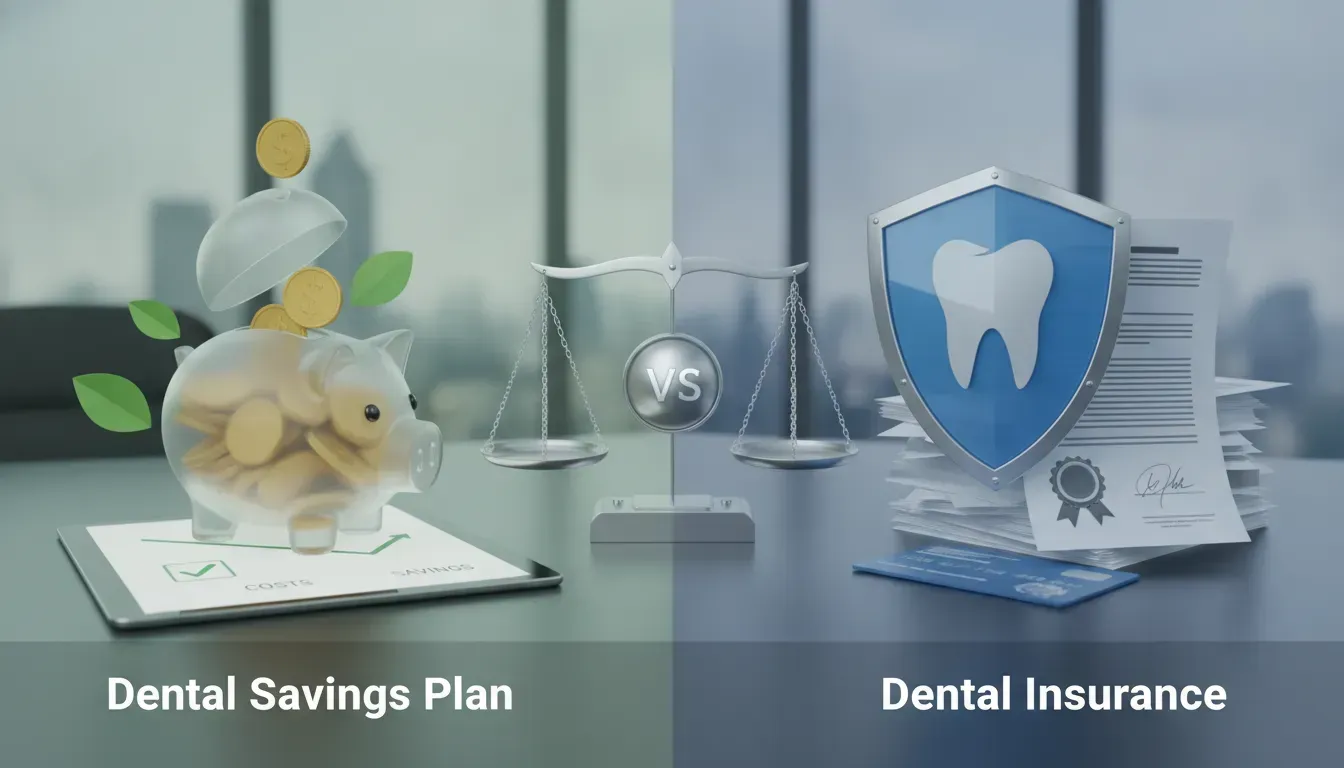
The cost of dental care should not keep you from addressing a painful problem or maintaining your oral health. Bain Dental & Aesthetics Group offers an in-house Dental Savings Plan for patients seeking an alternative to traditional insurance. This option can make preventive and recommended care easier to plan by reducing some of the uncertainty that may come with out-of-pocket expenses.
Flexible financing options may also help spread treatment costs over time, depending on your eligibility and the services you receive. Before beginning care, ask the team for a written estimate, payment details, and an explanation of available savings or financing options. Reviewing the financial information in advance gives you a clearer understanding of your choices and helps you plan for the care your smile needs.
Related Articles
Frequently Asked Questions
Are teeth considered bones? No. Teeth and bones both contain minerals such as calcium and phosphorus, but they are different tissues. Teeth are built for biting and chewing, while bones support the body, protect organs, and remodel throughout life.
Can a chipped tooth heal on its own? No. Enamel cannot grow back after it chips or wears away. A dentist may repair the damage with bonding, a filling, a crown, or another restoration, depending on the tooth’s condition.
Why do teeth become sensitive? Sensitivity can occur when enamel wears down, dentin becomes exposed, gums recede, or decay reaches deeper layers of the tooth. Sensitivity that continues or worsens should be evaluated by a dentist.
How do gum disease and the jawbone affect each other? Advanced gum disease can damage the tissues and bone that support the teeth. Signs may include bleeding gums, persistent bad breath, gum recession, loose teeth, or changes in your bite. Professional cleanings and gum therapy can help protect this support system.
When should I seek urgent dental care? Contact a dentist promptly for severe tooth pain, facial swelling, a cracked or loose tooth, or a dental injury. A knocked-out permanent tooth requires immediate attention. If swelling makes it difficult to breathe or swallow, seek emergency medical care right away.