Invisalign clear aligners vs traditional braces: Pros & Cons
Get a clear comparison of Invisalign clear aligners vs traditional braces, including pros, cons, costs, and tips to help you choose the right treatment.

A straighter smile can support easier cleaning, a healthier bite, and greater confidence, but getting there takes the right treatment plan. When comparing Invisalign clear aligners vs traditional braces, it helps to look beyond which option appears less noticeable. Clear aligners offer flexibility and can fit neatly into many daily routines. Braces provide fixed support and may be better suited to complex tooth movements or bite concerns. Both require regular appointments, careful oral hygiene, and a commitment to following instructions. In this guide, you will learn what each treatment involves, how they compare, and why your provider’s evaluation should guide the final decision.
Key Takeaways
- Choose based on your orthodontic needs: Invisalign® and traditional braces can both improve tooth alignment, but your bite, gum health, tooth movement, and treatment goals determine the better fit.
- Match treatment to your routine: Clear aligners offer discreet, removable trays but require consistent daily wear, while braces remain in place and require careful cleaning and food choices.
- Schedule a personalized evaluation: Bain Dental & Aesthetics Group can explain your treatment options, expected timeline, total cost, retainers, and payment solutions at its Bowdon, Carrollton, or Villa Rica locations.
What Are Invisalign Clear Aligners and Traditional Braces?
Invisalign clear aligners and traditional braces both move teeth into healthier, more even positions. The key difference is how they apply pressure. Invisalign treatment uses a series of removable, transparent trays, while braces use brackets and archwires that stay attached to your teeth throughout treatment.
Clear aligners are custom-made for your smile. Each tray applies gentle pressure to selected teeth, and you change aligners as directed so your teeth gradually follow the planned movement. Traditional braces use brackets bonded to each tooth and an archwire that guides movement over time. Your provider may also use elastics or other components to improve your bite.
Both treatments may correct crowding, gaps, crooked teeth, and certain bite concerns. However, neither option is right for every patient. Your dental provider will consider your alignment, jaw development, gum health, existing dental work, daily habits, and treatment goals before making a recommendation.
Bain Dental & Aesthetics Group offers orthodontic services for patients who want a healthier, more confident smile. A personalized evaluation can help you understand which approach may fit your needs and what treatment will involve.
How Invisalign Moves Teeth
Invisalign treatment uses a series of custom-made clear aligners fabricated from Align Technology’s SmartTrack material. Each aligner fits over your teeth and applies controlled pressure to specific areas. As you progress through the series, your teeth move gradually according to a treatment plan created by your dental provider.
You can remove the aligners for meals, drinks other than water, brushing, and flossing. This flexibility makes clear aligners appealing to patients who want fewer changes to their daily routines. However, removable trays only work when you wear them as instructed. You will receive guidance about daily wear time and when to change to the next set.
The American Dental Association explains how clear aligners may help with certain alignment concerns, but they are not suitable for everyone. Your evaluation will show whether aligners can provide the control your teeth need.
How Braces Use Brackets and Archwires
Traditional braces use small brackets attached to the front surfaces of your teeth. An archwire passes through the brackets and applies steady pressure as your teeth gradually shift. During treatment, your provider may adjust the wire or add elastic bands to guide specific teeth and improve the way your upper and lower jaws meet.
Brackets are available in stainless steel, tooth-colored ceramic, and gold-colored materials. Metal brackets are durable and versatile, while ceramic brackets may be less noticeable. Your provider can explain which materials are appropriate for your treatment plan.
Unlike clear aligners, braces remain in place. You do not need to remember to put them back in after meals or brushing, but you will need to clean carefully around the brackets and wires. The American Association of Orthodontists compares braces and clear aligners and emphasizes that treatment recommendations should reflect your dental needs, not appearance alone.
What Both Treatments Correct
Invisalign and braces can both address common alignment problems, including crowded teeth, gaps, crooked teeth, and some cases of overlapping teeth. By creating a more even arrangement, orthodontic treatment may also make brushing and flossing easier. Depending on your needs, treatment can improve the way your upper and lower teeth come together.
For mild to moderate alignment concerns, either option may deliver effective results when you follow your treatment instructions. The number of aligners, brackets, adjustments, or treatment stages will depend on the complexity of your case. Your provider may also recommend attachments with clear aligners or elastics with braces.
Orthodontic treatment does not replace routine dental care. Regular exams, cleanings, and gum care remain important while your teeth are moving. Bain Dental & Aesthetics Group provides general dentistry and gum therapy to support your oral health throughout treatment.
How They Address Bites and Rotated Teeth
Bite concerns include overbites, underbites, crossbites, and open bites. Some mild to moderate bite problems respond well to clear aligners, especially when patients wear them consistently. Your provider may use attachments or elastics to give the aligners additional control during treatment.
Traditional braces may be recommended for more complex cases, including severely rotated teeth, significant crowding, or challenging bite relationships. Since brackets and archwires stay in place, they apply continuous force and allow your provider to make detailed adjustments to individual teeth.
Braces are not automatically the better choice for every patient, and clear aligners may treat more conditions than many people expect. The right option depends on your dental anatomy, the movement required, and how consistently you can follow treatment instructions. A professional evaluation is more useful than choosing based on appearance or general comparisons alone.
Why Exams and Imaging Matter
An orthodontic evaluation helps your provider create a treatment plan based on your actual dental and oral health needs. During the appointment, they may examine your teeth and gums, assess your bite, take photographs, and review X-rays or digital records. These images can show concerns that are not visible during a basic smile assessment, such as impacted teeth, root position, bone structure, or developing dental problems.
The American Association of Orthodontists recommends diagnostic records such as X-rays, photographs, and dental models when evaluating treatment options. Your provider may also review your age, oral hygiene, existing crowns or fillings, previous orthodontic treatment, and ability to follow wear-time or cleaning instructions.
At Bain Dental & Aesthetics Group, a consultation can help you understand whether Invisalign clear aligners or traditional braces better suit your smile. The team serves patients at its Bowdon, Carrollton, and Villa Rica locations, making it easier to discuss your options close to home.
How Do Invisalign and Traditional Braces Compare?
Invisalign® clear aligners and traditional braces can both straighten teeth, improve bite alignment, and create a healthier-looking smile. The main difference is how they fit into your daily routine. Invisalign uses a series of custom-made, transparent trays that gradually guide teeth into position. Traditional braces use brackets and archwires attached to the teeth, with adjustments that apply steady pressure over time.
Neither treatment is right for every patient. Your oral health, bite concerns, treatment goals, age, habits, and willingness to follow care instructions all matter. During a consultation, your provider can determine whether Invisalign, ClearCorrect™, or traditional braces offers the control your smile needs. Bain Dental & Aesthetics Group provides orthodontic treatment options for patients in Bowdon, Carrollton, Villa Rica, and nearby Georgia communities.
Compare Appearance and Materials
Invisalign aligners are made from clear plastic and fit closely over your teeth. They are usually difficult to notice during conversations, meetings, or photos, making them appealing to adults and teens who prefer a discreet option. You can remove the trays for meals, brushing, flossing, and special occasions. However, you need to wear them consistently for the treatment to stay on schedule.
Traditional braces use metal brackets bonded to the front of each tooth and an archwire that connects them. Modern brackets are smaller and more streamlined than older designs. Depending on your treatment plan and provider, tooth-colored or ceramic brackets may also be available for a less noticeable appearance. Braces remain visible, but their fixed design gives your provider consistent control over tooth movement throughout the day.
Compare Comfort and Soreness
Both treatments can cause temporary soreness as your teeth begin to move. With Invisalign, you may feel pressure or tenderness when you start a new set of trays. The aligners do not have metal wires or brackets, so they are less likely to rub against your cheeks and lips. The edges can still feel unusual at first, but most patients adjust as they become familiar with wearing them.
Traditional braces may cause soreness after placement and following wire adjustments. Brackets and wires can also irritate the inside of your cheeks, especially during the first few days. Orthodontic wax can cover areas that feel rough or uncomfortable. The American Association of Orthodontists explains the differences between braces and clear aligners so patients can better understand what to expect from each option.
Manage Eating and Daily Routines
Invisalign offers more flexibility at mealtimes because you can remove the trays before eating or drinking anything besides water. You do not need to avoid popcorn, sticky candy, crunchy snacks, or other foods that could damage an orthodontic appliance. After eating, brush your teeth or rinse thoroughly before putting the aligners back in.
Traditional braces stay attached to your teeth, so food choices require more planning. Hard, sticky, chewy, and crunchy foods can bend wires or loosen brackets. Cutting foods into smaller pieces and following your provider’s recommendations can help protect your braces. Both treatments require a daily routine, but Invisalign places more responsibility on you to remove and replace the trays at the correct times.
Maintain Oral Hygiene
Clear aligners come out when you brush and floss, making it easier to reach each tooth surface. You should clean your teeth before putting the trays back in because trapped food and bacteria can contribute to bad breath, cavities, and gum irritation. The aligners also need regular cleaning according to your provider’s instructions.
Braces require careful brushing around brackets, wires, and gumlines. Floss threaders, interdental brushes, and a water flosser can make cleaning between teeth more manageable. Plaque left around brackets may increase the risk of tooth decay and inflamed gums. Regular cleanings and consistent home care are important throughout either treatment. Bain Dental & Aesthetics Group offers preventive dental services to help support your oral health while your smile changes.
Follow Wear-Time Requirements
Invisalign only works while you wear the aligners. Most patients need to keep them in for at least 22 hours each day, removing them for meals, drinks other than water, brushing, and flossing. You will also need to wear each set in the prescribed order and switch to the next set according to your treatment plan.
This flexibility can be convenient, but it requires consistency. Leaving your aligners out for long periods may delay progress or affect how the next trays fit. Traditional braces cannot be removed at home, so they continue applying pressure throughout the day and night. Their fixed design eliminates the need to remember to put them back in, but you must protect them during meals and clean carefully around the brackets and wires.
Manage Attachments, Elastics, and Adjustments
Some Invisalign patients need small, tooth-colored attachments bonded to selected teeth. These attachments help the aligners grip the teeth and complete more precise movements. They are generally subtle, although they can make the trays slightly more noticeable. Some treatment plans also include elastics or other features to improve bite alignment.
Traditional braces use brackets and archwires, and some patients wear rubber bands between the upper and lower teeth. Your provider may adjust the wires or replace elastic ties during appointments to keep treatment progressing. Braces can provide strong control for complex movements, while aligners depend on a close fit and consistent wear. Your examination will help determine which system is suitable for your teeth and bite.
Attend Progress Appointments
Both Invisalign and braces require regular appointments. These visits allow your provider to check tooth movement, gum health, appliance condition, and your response to treatment. With braces, appointments often take place every four to eight weeks. A visit may include changing or adjusting the archwire, replacing elastic ties, or checking for loose brackets.
Clear aligner appointments are often spaced about six to 10 weeks apart, depending on your plan and progress. You may receive several sets of trays during an appointment and instructions for changing them at home. Your provider will check whether each aligner fits correctly and whether refinements are needed. Keeping your appointments helps identify concerns early and keeps your treatment plan accurate.
Protect Results With Retainers
Your teeth can shift after orthodontic treatment, even when your smile looks straight. Retainers help hold your teeth in their new positions while the surrounding bone and tissues adjust. They are typically part of both Invisalign and traditional braces treatment plans, rather than an optional addition.
Your provider may recommend a clear removable retainer, a fixed retainer, or a combination of both. Wear instructions vary, so follow the schedule provided for you. Clean removable retainers regularly and store them in their case when they are not in your mouth. Contact your dental office if a retainer becomes cracked, damaged, or no longer fits properly. Consistent retainer use helps protect the time and care invested in your orthodontic treatment.
Which Treatment Works Better: Invisalign or Braces?
There is no universal winner when comparing Invisalign® clear aligners with traditional braces. The right treatment depends on your teeth, bite, oral health, treatment goals, lifestyle, and ability to follow your provider’s instructions. Clear aligners may suit someone who wants a discreet option that fits around work, school, and social activities. Braces may be more appropriate when teeth need complex movement or the bite requires greater control.
Both treatments can address crowded or gapped teeth, alignment problems, and bite concerns. However, each option works differently and comes with its own responsibilities. Your provider will examine your teeth and gums, review your goals, and recommend an approach based on your specific needs.
Bain Dental & Aesthetics Group offers ClearCorrect™ and Invisalign® aligners, along with traditional braces. This range of options allows your treatment plan to focus on your oral health and desired results, rather than appearance or convenience alone.
Consider Invisalign’s Benefits
Invisalign clear aligners are made from transparent material, so they are much less noticeable than metal brackets and wires. This discreet appearance can appeal to adults and teens who feel self-conscious about orthodontic treatment at work, school, or social events. Clear aligners may also offer a more comfortable experience for some patients because they do not use brackets or archwires that can rub against the cheeks and lips.
You can remove the aligners when eating, drinking anything besides water, brushing, and flossing. This means fewer food restrictions than with braces and easier access to your teeth during your daily hygiene routine. You will still need to clean your teeth before putting the trays back in.
For patients who want a less visible treatment option, Invisalign treatment can provide a practical way to straighten teeth while keeping familiar routines.
Understand Invisalign’s Limitations
Clear aligners are not suitable for every orthodontic concern. They can treat many common alignment problems, but traditional braces may provide better control when teeth require significant rotation, severe crowding needs correction, or the bite involves complex movement. Your provider must evaluate your teeth before confirming whether aligners are appropriate.
Removable trays also require consistent daily participation. Most patients need to wear aligners for about 20 to 22 hours each day, taking them out only for meals, oral hygiene, and certain drinks. If you forget to put them back in, your teeth may not move according to plan, and later trays may not fit correctly.
You will also need to keep track of multiple aligner sets and bring them to appointments as directed. If you prefer an appliance that stays in place, braces may better suit your routine.
Consider Braces’ Benefits
Traditional braces use brackets and archwires to apply controlled pressure to the teeth. Because they remain attached throughout treatment, they continue working without relying on you to remember to wear them. This can make braces a useful option for children, teens, or adults who may have difficulty following a removable aligner schedule.
Braces can address most orthodontic problems, including more complex crowding and bite concerns. Your provider can adjust the wires and add elastics or other components to guide teeth into healthier positions. Metal braces are highly visible, but tooth-colored options may create a subtler appearance for some patients.
The American Association of Orthodontists’ comparison of braces and clear aligners explains how each treatment works and why a professional evaluation matters. Braces may offer reliable control when precise tooth movement is a priority.
Understand Braces’ Limitations
Braces may cause pressure, tenderness, or cheek irritation when they are first placed and after adjustment appointments. These sensations are generally temporary. Soft foods, orthodontic wax, and following your provider’s care instructions can make the adjustment period more manageable.
Since brackets and wires remain attached to your teeth, you will need to avoid foods that could loosen a bracket or bend a wire. Sticky candy, hard foods, and foods that require biting directly with the front teeth may damage the appliance. Your dental team will explain which foods to limit and how to cut others into safer pieces.
Braces also require thorough brushing and flossing around every bracket and wire. Plaque left in these areas can contribute to tooth decay, discoloration, and gum irritation. Some patients prefer aligners because they can remove the trays while cleaning their teeth.
Compare Treatment Times
Treatment length varies based on the complexity of your case. Clear aligner treatment often takes about 12 to 18 months for moderate concerns, while traditional braces may take approximately 18 to 36 months. These ranges are general estimates, not guarantees. Your age, gum and bone health, bite, and response to treatment can all affect the schedule.
Your daily habits also matter. Wearing aligners for less time than recommended can delay progress. With either treatment, missed appointments, damaged appliances, lost aligners, or delayed repairs may extend the timeline. Braces may offer more predictable control for certain complex movements because the appliance remains in place while your provider manages adjustments.
During your consultation, ask about your expected treatment length, appointment schedule, and factors that could cause delays. A personalized estimate is more helpful than choosing based only on average timelines.
Support Results With Good Oral Care
Healthy teeth and gums provide a strong foundation for orthodontic treatment. If you have braces, brush carefully around each bracket and beneath the archwires. Floss threaders, interdental brushes, or a water flosser may help clean areas that are difficult to reach with a standard toothbrush and floss.
Aligners make brushing and flossing more accessible because you can remove the trays. However, you still need to clean your teeth before putting them back in. Wearing aligners over food particles and bacteria can increase the risk of plaque buildup. Clean the trays as directed, and avoid sugary or colored beverages while wearing them.
Continue routine dental visits during orthodontic treatment. Contact your provider if you notice gum swelling, ongoing pain, a broken bracket, or an aligner that no longer fits. Bain Dental & Aesthetics Group’s dental services support patients’ oral health throughout treatment.
Correct Common Treatment Misconceptions
The least noticeable or most convenient option is not automatically the best one. Invisalign and braces can both produce excellent results, but they are not interchangeable for every patient. A qualified dental professional should assess your teeth, bite, gum health, and treatment goals before recommending an approach.
Removable aligners do not necessarily require less commitment. They may make eating and brushing easier, but you must wear them consistently and replace them after meals and oral hygiene. Braces stay in place, yet they require careful food choices, detailed cleaning, and regular adjustment appointments.
Treatment cost and length can vary with either option. A shorter estimate does not always mean a lower total fee, and a discreet appliance may not correct every concern. During your evaluation, ask about expected results, possible refinements, retainers, maintenance, and payment options. The best choice is the treatment that meets your clinical needs and fits the routine you can follow consistently.
How Much Do Invisalign and Braces Cost?
The cost of orthodontic treatment depends on several factors, including the treatment method, the complexity of your bite, the expected treatment time, and what your provider includes in the fee. Traditional braces generally cost between $3,000 and $7,000, while clear aligners often range from $4,000 to $8,000, according to cost comparisons from Elite Family Dental of Brookfield.
These figures are general estimates, not a personalized quote. Your cost may be higher or lower depending on how much tooth movement you need, whether you require additional appliances, and how consistently you follow your treatment plan. The most reliable way to understand your expected cost is to schedule an evaluation. Your provider can examine your teeth, review your goals, and explain which option may fit your needs.
It also helps to compare the total treatment plan instead of choosing based only on the first price you see. Ask about appointments, imaging, retainers, refinements, replacement aligners, insurance benefits, and financing before you begin.
Understand What Treatment Fees Include
When comparing the cost of Invisalign and braces, ask what the quoted fee covers. Orthodontic treatment may include your consultation, diagnostic images, treatment planning, braces or aligners, progress appointments, and retainers. Some offices include refinements or replacement aligners, while others charge separately for those services.
Traditional braces may include brackets, archwires, adjustments, and other components used during treatment. Clear aligner treatment may include a series of custom trays, attachments, progress checks, and additional trays if your teeth need further movement.
Ask for a written estimate that explains the full fee. You can also ask whether emergency visits, missed appointments, replacement components, and retainers are included. This makes it easier to compare treatment plans based on their total value rather than the starting price alone.
Compare Complexity, Treatment Length, and Provider Fees
The amount and type of tooth movement needed can affect both treatment time and cost. Traditional braces often provide strong control for complex cases, including significant crowding, bite concerns, and rotated teeth. Treatment commonly lasts 18 to 36 months. Clear aligners are often suited to mild or moderate spacing and crowding, with treatment lasting around 12 to 18 months when worn as directed.
Your provider’s experience, the technology used, and the number of appointments may also affect the fee. A shorter projected treatment plan is not always the least expensive option if additional aligners or other care become necessary.
During your evaluation, ask what may change the treatment timeline or cost. Your provider should explain the expected number of visits, how progress will be monitored, and what happens if your teeth do not move according to the original plan. Treatment comparisons from Elite Family Dental of Brookfield can also help you understand how complexity and treatment time differ between the two options.
Use Insurance, Financing, and Savings Plans
Dental insurance may cover part of orthodontic treatment, although coverage varies by plan. Your benefits may depend on your age, diagnosis, deductible, waiting period, lifetime orthodontic maximum, and whether your plan covers clear aligners, braces, or both.
Before beginning treatment, contact your insurer and ask which services are covered and how the benefit is paid. You can also ask your dental provider’s team to review your estimated insurance contribution and remaining balance. Remember that insurance estimates are not guarantees, so confirm the details with your carrier.
If insurance does not cover the full amount, ask about monthly payment options. Bain Dental & Aesthetics Group offers flexible financing options and an in-house dental savings plan. A team member can explain eligibility, payment expectations, and available options during your consultation. Planning your payments in advance can make it easier to begin recommended care without overlooking your household budget.
Plan for Replacements, Refinements, and Retainers
The initial treatment fee may not cover every possible addition. With clear aligners, lost or damaged trays may require a replacement fee. Some patients also need refinement trays if their teeth need more movement after the original series is complete. Wearing your aligners for the recommended amount of time can help keep treatment on track.
Retainers are another cost to consider. Teeth can shift after braces or aligner treatment, so retainers help maintain your results. The American Association of Orthodontists explains the role of retainers after active treatment.
Ask whether your plan includes an initial set of retainers and what replacement retainers cost. It is also helpful to ask how often you should wear them, how to clean them, and what to do if one is lost or damaged. Including these details in your budget helps you plan for care beyond the final adjustment or aligner.
Review Bain Dental & Aesthetics Group’s Payment Options
Bain Dental & Aesthetics Group serves patients in Bowdon, Carrollton, Villa Rica, and nearby Georgia communities. The practice offers traditional braces, ClearCorrect™ aligners, and Invisalign® aligners, along with personalized treatment planning and a comfort-focused experience. You can review the practice’s orthodontic and dental services before your appointment.
During your consultation, ask for an estimate that outlines the recommended treatment, expected timeline, included visits, retainers, and payment schedule. The team can also explain the in-house dental savings plan and flexible financing options available through the practice.
To find the most convenient office, explore the Bowdon location, Carrollton location, or Villa Rica location. A personalized evaluation can help you understand your treatment choices and the expected investment before you commit to care.
Choose the Right Treatment With a Personalized Evaluation
Choosing between Invisalign® clear aligners and traditional braces is not just a decision about appearance. Both treatments can straighten teeth and improve your bite, but they do not work the same way or suit every orthodontic concern. The right option depends on the position of your teeth, the complexity of your bite, your oral health, and how well each treatment fits your daily routine.
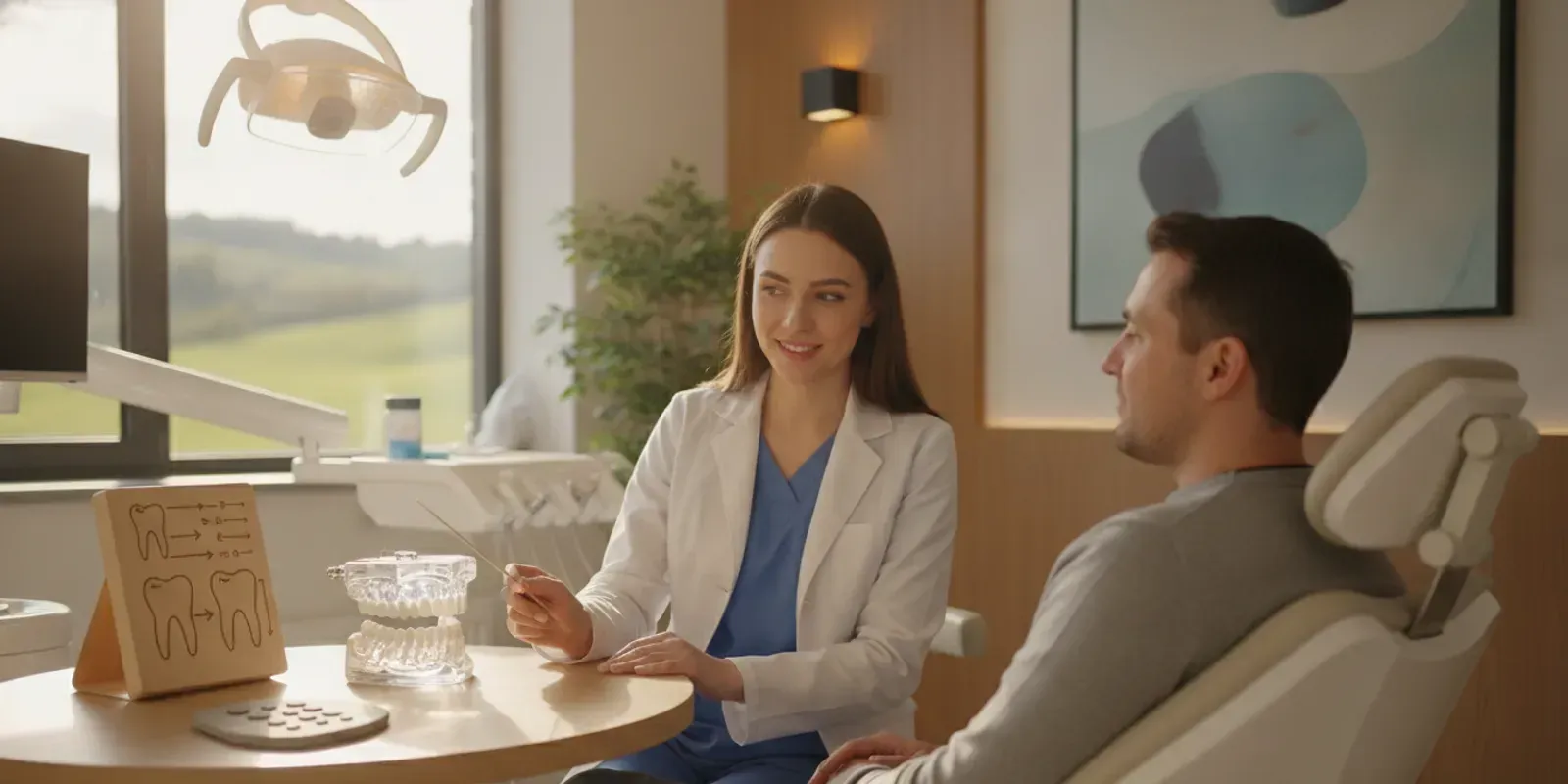
A personalized evaluation gives your dental team the information needed to recommend an appropriate treatment plan. During the appointment, your provider may examine your teeth and gums, assess how your upper and lower teeth meet, discuss your smile goals, and review your dental history. Diagnostic records, such as X-rays, photographs, scans, or dental models, may also be useful.
Your provider can then explain which option is likely to provide predictable results, what care will involve, and how long treatment may take. The American Association of Orthodontists emphasizes that treatment decisions should reflect a patient’s orthodontic needs, goals, lifestyle, and ability to follow care instructions.
An evaluation also gives you time to ask practical questions. You can discuss eating restrictions, cleaning routines, appointment schedules, retainers, refinements, and payment options before committing to treatment. Rather than choosing based on photographs or general comparisons, use your consultation to find an approach that supports your oral health and fits your life.
Determine Whether Invisalign May Suit You
Invisalign may suit people with mild to moderate crowding, spacing, or certain bite concerns who want a less noticeable treatment option. The clear trays are removable, so you can take them out for meals, brushing, and flossing. This can make it easier to maintain your regular oral hygiene routine and enjoy a broad range of foods.
Clear aligners may also work well for adults and teens who want more flexibility during work, school, travel, or social occasions. However, that flexibility comes with responsibility. You must wear the aligners for the recommended amount of time each day, usually at least 22 hours, and change trays according to your provider’s instructions.
Invisalign may be a good fit if you can keep the trays clean, store them safely, and remember to put them back in after eating. Your provider can determine whether clear aligners can address your specific tooth and bite concerns. Review the available orthodontic services at Bain Dental & Aesthetics Group to learn more about treatment options.
Determine Whether Braces May Suit You
Traditional braces may be a better fit when your teeth require significant movement or your bite needs more involved correction. Brackets and archwires remain attached throughout treatment, so they apply steady pressure without relying on you to remember to wear a removable appliance.
This fixed design may also help patients who are concerned about losing aligners or forgetting to put them back in. Braces can address many orthodontic problems, although the specific design and length of treatment will depend on your needs. Your provider may discuss metal braces or other available options during your evaluation.
Braces do require some changes to your routine. Hard, sticky, and chewy foods can damage brackets or wires, and brushing and flossing require careful attention around the appliance. Regular appointments allow your dental team to make adjustments and monitor progress. If your treatment requires precise, continuous tooth movement, braces may offer the control your smile needs.
Consider Age, Oral Health, Lifestyle, and Goals
Age alone does not determine whether Invisalign or braces is right for you. Teens and adults may qualify for either treatment, depending on tooth development, gum health, bone support, and the complexity of their alignment or bite concerns. Your provider will consider your overall oral health before recommending tooth movement.
Your daily routine matters, too. Clear aligners may fit well if you want to remove your appliance for meals, play contact sports, or maintain a discreet appearance. Braces may feel simpler if you prefer an appliance that stays in place and does not require daily tracking.
Treatment should begin with healthy teeth and gums. Cavities, gum inflammation, or inconsistent brushing may need attention first. During your appointment, explain your goals clearly. You may want to close gaps, relieve crowding, improve your bite, or prepare for a larger smile makeover. Clear goals help your provider create a plan that supports both appearance and function.
Identify When Braces May Offer Better Control
Clear aligners can address many common alignment concerns, but they may not be the best choice for every case. Traditional braces may offer more control when teeth need major movement, several teeth require coordinated correction, or the bite problem is complex.
Braces may also be useful when teeth are severely rotated, need vertical movement, or require carefully planned changes between the upper and lower arches. Since brackets and archwires stay in place, your provider can guide tooth movement continuously throughout treatment.
The American Association of Orthodontists explains that braces can treat most orthodontic problems and may be more suitable for complex or wide-ranging corrections. This does not mean braces are automatically the better option. It means your provider should assess the details of your case before recommending removable aligners.
Commit to Consistent Aligner Wear
Invisalign aligners work only when you wear them. Most patients need to keep each set in place for at least 22 hours per day, removing the trays for meals, drinks other than water, and brushing and flossing. Wearing them less often may slow progress and make it harder for the next set of aligners to fit properly.
You will also need to follow the prescribed tray sequence and keep each aligner clean. Store the trays in their case when you are not wearing them. Leaving them in a napkin can lead to accidental disposal, while placing them on an unclean surface may expose them to bacteria.
Before choosing clear aligners, think honestly about your routine. Can you remember to replace the trays after meals? Will you clean them regularly? Can you follow the schedule provided by your dental team? If consistent wear may be difficult, fixed braces could be easier to manage.
Learn What Providers Evaluate
A treatment recommendation should come from a clinical evaluation, not only from product photos or an online quiz. Your provider will examine your teeth, gums, bite, jaw relationship, and existing dental work. X-rays, photographs, digital scans, or dental models may reveal concerns that are not visible during a basic smile assessment.
Your dental history also matters. Tell your provider about gum disease, jaw discomfort, teeth grinding, previous orthodontic treatment, dental restorations, and any medications or health conditions that may affect your care. This information helps the team plan treatment around your oral health.
At Bain Dental & Aesthetics Group, you can discuss your goals with a team that provides comprehensive dental care and orthodontic options. Bring a list of concerns and questions to your appointment so you can make an informed decision about treatment.
Schedule a Consultation in Bowdon, Carrollton, or Villa Rica
A consultation is the best way to compare Invisalign and traditional braces for your smile. Your provider can assess your alignment and bite, explain which options may suit your needs, and discuss expected treatment time. You can also ask about cleaning, food choices, appointments, retainers, refinements, and any limitations you should expect.
Cost is another important part of the conversation. Ask what the treatment fee includes and whether payment plans, financing, or an in-house dental savings plan may be available. Understanding these details early can make it easier to choose a treatment plan that fits your household budget.
Bain Dental & Aesthetics Group serves patients in surrounding Georgia communities through its Bowdon location, Carrollton location, and Villa Rica location. Schedule an evaluation at the location that works best for you, then let your dental team recommend treatment based on your teeth, goals, oral health, and daily routine.
Frequently Asked Questions
Is Invisalign better than traditional braces? Neither option is better for every patient. Invisalign may be a good fit for mild to moderate alignment concerns and patients who want removable, less noticeable trays. Braces may be recommended for complex tooth movement or more involved bite concerns. A dental evaluation can identify which treatment is more appropriate for your smile.
How long do Invisalign and braces take? Treatment time varies according to your alignment, bite, oral health, and how closely you follow care instructions. Many clear aligner plans take about 12 to 18 months, while braces often require 18 to 36 months. Your provider can give you a more specific estimate after examining your teeth.
Can I eat normally with Invisalign or braces? With Invisalign, you remove the trays before eating, so you can usually enjoy your preferred foods. Braces require more care because hard, sticky, and chewy foods may damage brackets or wires. Both options require thorough brushing and flossing after meals.
What happens if I forget to wear my Invisalign aligners? Clear aligners need consistent wear to keep treatment progressing as planned. Leaving them out for extended periods may delay movement or affect how later trays fit. If you frequently forget to replace your aligners, traditional braces may be easier to manage because they remain attached to your teeth.
How much do Invisalign and braces cost? The total cost depends on treatment complexity, length, appointments, retainers, and what your plan includes. Insurance may cover part of orthodontic care, and Bain Dental & Aesthetics Group offers flexible financing and an in-house dental savings plan. Ask for a detailed estimate during your consultation at the Bowdon, Carrollton, or Villa Rica office.