Tooth Decay: Causes, Symptoms, Treatment & Prevention
Get clear answers about tooth decay, including causes, symptoms, treatment options, and prevention tips for healthier teeth at every age.

Your teeth face acid attacks throughout the day. Plaque bacteria use sugar and starch from foods and drinks to create acids that gradually weaken enamel. When this process continues, tooth decay can develop. A cavity may start as mineral loss, progress to a hole in the enamel, and eventually reach the deeper layers of the tooth. Many people assume pain is the first warning sign, but decay can remain hidden for a long time. Regular dental exams help identify changes before they become harder to treat. Here is what to know about cavity symptoms, risk factors, treatment options, and practical ways to keep your smile healthy.
Key Takeaways
- Tooth decay may be silent at first: Routine exams can identify mineral loss, hidden cavities, and weakened enamel before symptoms appear.
- Daily prevention reduces cavity risk: Brush twice daily with fluoride toothpaste, clean between your teeth, drink more water, and limit frequent sugar, starch, and acidic beverages.
- Prompt treatment helps preserve natural teeth: Contact a dentist for sensitivity, pain, visible damage, or recurring symptoms, and seek urgent care for swelling, fever, pus, or trouble breathing or swallowing.
What Is Tooth Decay and How Does It Progress?
Tooth decay, also called cavities or dental caries, is damage to a tooth caused by acids produced by plaque bacteria. The process usually begins on the enamel, the hard outer layer of the tooth. Over time, repeated acid exposure can remove minerals, weaken the enamel, and create a permanent hole.
Decay does not always cause pain in its early stages. That is why regular dental exams matter, even when your teeth feel normal. A dentist can identify early changes, check areas that are difficult to see, and recommend care before damage reaches the deeper layers of a tooth. Bain Dental & Aesthetics Group provides comprehensive dental services for patients and families in Bowdon, Carrollton, Villa Rica, and nearby communities.
Tooth decay, cavities, and dental caries
Tooth decay, cavities, and dental caries refer to the same general condition. Bacteria in plaque use sugars and starches from food and drinks to produce acids. These acids gradually remove minerals from enamel. If the process continues, the weakened area can develop a permanent opening, known as a cavity.
Decay may form on the chewing surfaces of back teeth, between teeth, along the gumline, or around an existing filling, crown, or other dental restoration. Some cavities are visible, while others remain hidden until a dentist finds them during an exam or on an X-ray. MedlinePlus explains how tooth decay develops, including the role of bacteria, acids, saliva, and fluoride.
The rate of decay varies from person to person. Oral hygiene, diet, saliva flow, fluoride exposure, enamel strength, and the location of the affected tooth can all influence how quickly damage progresses.
How plaque bacteria convert sugar and starch into acid
Plaque is a sticky film that forms on the teeth throughout the day. It contains bacteria and food particles. When plaque bacteria come into contact with sugar and starch, they produce acids that attack enamel.
This reaction can occur after eating candy, drinking soda, adding sweetener to coffee, or eating starchy foods such as bread, crackers, and chips. Frequent snacking gives bacteria repeated opportunities to produce acid. It also reduces the amount of time saliva has to wash away acids and return minerals to the enamel.
Brushing twice a day with fluoride toothpaste and cleaning between your teeth daily can help remove plaque. Drinking water after meals may wash away some food particles and dilute acids, but it does not replace brushing, flossing, or professional cleanings. If plaque remains along the gumline or between teeth, those areas may be especially vulnerable to decay.
How fluoride supports enamel repair
Fluoride helps strengthen enamel and supports the repair of early mineral loss. Saliva also contributes to this process by bringing minerals back to the tooth surface. With consistent fluoride exposure and improved oral care, some early areas of decay may stop progressing or reverse before a cavity forms.
Common sources of fluoride include toothpaste, fluoridated water, professional fluoride treatments, and prescription-strength products recommended by a dentist. Your dental provider can suggest an approach based on your cavity history, age, oral health, and risk factors.
Fluoride cannot rebuild a tooth after a permanent hole has formed. A cavity may then require a filling or another restorative treatment. Professional fluoride treatment may be helpful for people with frequent cavities, dry mouth, exposed roots, orthodontic appliances, or other conditions that make decay more likely.
Stage 1: Mineral loss and white spots
The earliest stage of tooth decay is called demineralization. Acids remove minerals from enamel, which may create a white, chalky, or dull-looking spot. These areas often appear near the gumline, around braces, or where plaque collects.
At this point, the enamel may still be intact, with no actual hole. Better brushing, daily cleaning between teeth, fewer sugary or starchy exposures, and appropriate fluoride may help stop or reverse the process. A dentist may recommend monitoring the area instead of placing a filling right away.
Not every white spot indicates active decay. Discoloration can also result from changes that occurred while a tooth was developing, enamel irregularities, or staining. A dental exam can help identify the cause. The Cleveland Clinic’s guide to cavity stages describes how mineral loss can progress when acid attacks continue.
Stage 2: Enamel breakdown and cavities
When acid attacks continue, enamel can weaken and break down. A pit or hole may form, creating a cavity. Because enamel does not contain nerves, a cavity may not cause pain at this stage. You may not notice a problem until the damage becomes larger or reaches the dentin underneath.
Once a permanent cavity forms, brushing and fluoride cannot close the opening. A dentist generally removes the decayed portion and restores the tooth with a filling. Tooth-colored fillings can repair many small and moderate cavities while preserving healthy tooth structure.
Some cavities develop between teeth or beneath existing dental work, where they are difficult to see at home. Dentists may use X-rays to look for this hidden decay. Treating a cavity while it is limited to enamel often involves a simpler restoration than waiting until the damage reaches the inner tooth.
Stage 3: Dentin decay, sensitivity, and pain
Dentin lies beneath the enamel and extends toward the tooth’s pulp, which contains nerves and blood vessels. When decay reaches the dentin, the tooth may become sensitive to cold drinks, hot foods, sweets, or acidic items. Some people feel a quick, sharp sensation, while others have discomfort that continues after the trigger is gone.
Dentin is softer and less resistant to acid than enamel, so decay may progress more quickly after reaching this layer. A filling may be enough if the pulp remains healthy. A larger cavity may weaken the tooth and require a crown to restore its shape and protect it from further damage.
Sensitivity does not always indicate decay. Gum recession, enamel wear, cracks, and worn fillings can cause similar symptoms. A dental examination can determine the source and identify the right treatment.
Stage 4: Pulp infection, abscesses, and tooth loss
The pulp is the innermost part of a tooth. It contains nerves, blood vessels, and connective tissue. If decay reaches the pulp, bacteria can cause inflammation or infection. Symptoms may include severe tooth pain, pain when biting, lingering sensitivity, swelling, or discomfort that spreads toward the jaw, ear, or face.
An untreated infection may cause an abscess, a pocket of pus near the tooth’s root. Swollen gums, facial or jaw swelling, fever, a persistent bad taste, and drainage near the tooth are warning signs. The Mayo Clinic’s dental abscess guidance explains why an abscess requires prompt professional care.
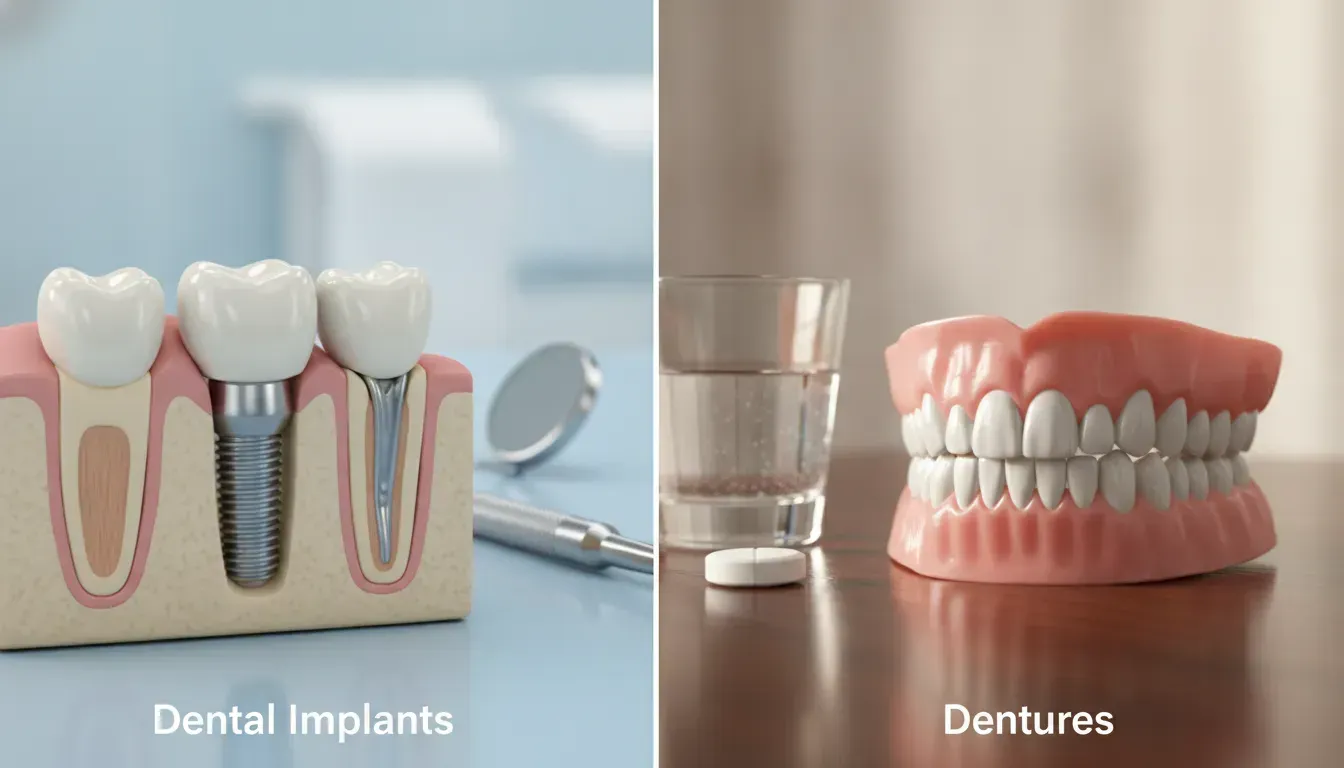
Treatment may involve a root canal followed by a crown if the tooth can be restored. If the tooth is too damaged to save, extraction may be necessary, followed by a replacement such as a dental implant, bridge, or denture. If you have severe pain, swelling, or signs of infection, contact Bain Dental & Aesthetics Group for care at a Bowdon, Carrollton, or Villa Rica location.
What Symptoms Does Tooth Decay Cause?
Tooth decay does not always announce itself right away. A cavity can develop beneath the enamel before you notice pain, sensitivity, or a visible change. That is why routine dental exams matter, even when your teeth feel normal. During an exam, a dentist can look for early damage and recommend care before it reaches the deeper layers of the tooth.
As decay progresses, symptoms may include sensitivity, toothache, visible spots or holes, food getting stuck, bad breath, and discomfort when chewing. More advanced decay can affect the pulp, the inner part of the tooth that contains nerves and blood vessels. At that point, infection and an abscess may develop. The National Institute of Dental and Craniofacial Research explains that untreated decay can lead to pain, infection, and tooth loss.
Why early decay may cause no symptoms
The outer layer of a tooth, called enamel, does not contain nerves. Early decay can weaken the enamel without causing pain, particularly when the damage is limited to mineral loss or a small area on the surface. You may not notice anything unusual while this process is beginning.
As decay moves through the enamel and into the dentin beneath it, symptoms become more likely. Dentin is more sensitive and connects with the nerve-containing center of the tooth. This can cause discomfort from cold drinks, hot foods, sweets, or pressure while biting. Regular checkups allow a dentist to identify changes that may be difficult to see at home. According to MedlinePlus, early tooth decay often causes no symptoms.
White, brown, or black tooth spots
A white, chalky spot can be an early sign that a tooth is losing minerals. These marks may appear near the gumline, around orthodontic brackets, or in areas where plaque collects. The enamel may still be intact, but the tooth needs attention to prevent further breakdown.
As decay worsens, a spot may become yellow, brown, dark brown, or black. Color alone cannot confirm that a cavity is present because stains and other enamel changes can look similar. However, a new or changing mark deserves a dental evaluation. The Cleveland Clinic’s cavity guide identifies white spots as an early visible change and darker areas as a possible sign of advanced decay. Do not wait for a spot to hurt before having it checked.
Sensitivity to hot, cold, sweet, or acidic foods
Sensitivity can occur when decay reaches the dentin beneath the enamel. You may feel a quick, sharp sensation after drinking something cold, eating ice cream, or having a hot beverage. Sweet or acidic foods and drinks can also trigger discomfort. In some cases, the sensation stops shortly after you remove the trigger.
Sensitivity does not always mean you have a cavity. Gum recession, worn enamel, teeth grinding, whitening products, and other conditions can cause similar symptoms. Still, new or worsening sensitivity should be assessed, especially when it affects one tooth or continues after the food or drink is gone. The American Dental Association’s information on tooth decay explains that decay may progress beneath the surface before it becomes obvious.
Toothaches, biting pain, and lingering discomfort
A toothache may feel dull, throbbing, sharp, or constant. You may notice it while eating, when you bite down, or even when you are resting. Pain with chewing can occur when decay has weakened the tooth or irritated the tissues around its root. A crack, loose filling, gum infection, or another dental concern can cause similar discomfort.
Pay attention to whether the pain fades quickly or lingers. Brief sensitivity may occur with dentin irritation, while pain that continues after exposure to heat or cold can indicate deeper inflammation. Pain that wakes you at night or returns repeatedly deserves prompt attention. The Centers for Disease Control and Prevention lists tooth pain and sensitivity among common signs of cavities. Bain Dental & Aesthetics Group provides general and restorative dental services for patients in Bowdon, Carrollton, Villa Rica, and nearby communities.
Visible holes, pits, chips, or rough enamel
A cavity may appear as a small pit, hole, or indentation in the tooth. You might notice a rough edge with your tongue, see a damaged area in the mirror, or feel that floss catches in one spot. Decay can also weaken a tooth enough to cause a chip or fracture, especially when you bite into something hard.
A visible opening means the enamel has already broken down. Brushing and flossing can remove plaque around the area, but they cannot replace missing tooth structure. Avoid picking at the damaged area or placing household materials in it. Schedule a dental exam so the dentist can determine how deep the decay is and whether a filling, crown, or another treatment is appropriate.
Trapped food, bad breath, and unpleasant tastes
Food may repeatedly become stuck in a cavity, between teeth, or around a damaged filling. You may notice that one area feels difficult to clean, or that floss consistently catches or shreds there. A cavity can create a space where food and bacteria collect, which may contribute to bad breath or an unpleasant taste.
These symptoms can also result from gum disease, dry mouth, sinus problems, or dental work that no longer fits properly. Even so, persistent bad breath or a recurring bad taste should not be ignored, particularly when paired with tooth pain or a visible spot. Healthdirect Australia notes that tooth decay may cause bad breath and an unpleasant taste as damage progresses. A dental exam can help identify the source.
Swelling, pus, fever, and other abscess symptoms
Severe decay can reach the pulp and allow bacteria to infect the inside of the tooth. The infection may form an abscess, which is a pocket of pus near the tooth or gum. Symptoms can include intense pain, swelling, redness, tenderness, a bad taste, or pus that drains into the mouth.
An abscess may also cause fever, facial swelling, swollen glands, or difficulty opening your mouth. These signs require prompt dental attention. Antibiotics may be prescribed when infection has spread or caused systemic symptoms, but they do not remove decay or repair the tooth. Treatment usually involves addressing the source through a root canal, drainage, extraction, or another procedure. If swelling affects your face or neck, or you have trouble breathing or swallowing, seek emergency medical care immediately.
How symptoms change as decay spreads
Tooth decay usually develops in stages. Bacteria feed on sugars and starches in the mouth and produce acids. Those acids weaken enamel, leading to mineral loss and possibly a white spot. If the process continues, the enamel can break down and form a cavity.
Once decay reaches the dentin, sensitivity to hot, cold, sweet, or acidic foods becomes more common. Deeper damage may cause pain while chewing or discomfort that lingers after eating. When decay reaches the pulp, symptoms can become severe and may include throbbing pain, swelling, pus, or fever. The Mayo Clinic explains that cavities may not cause symptoms at first, so waiting for pain can allow a small problem to become harder to treat.
What Causes Tooth Decay?
Tooth decay develops when acids gradually remove minerals from enamel, the hard outer layer of a tooth. These acids come from bacteria in plaque, a sticky film that forms on teeth throughout the day. When plaque remains on the teeth and comes into contact with sugar or starch, bacteria produce more acid, increasing the risk of cavities.
Anyone can develop tooth decay, including children, adults, and older adults. However, each person’s risk factors may be different. Diet, oral hygiene, saliva production, tooth shape, medications, dental appliances, and certain health conditions can all affect cavity development.
Some causes are easier to change than others. For example, replacing frequent sweet drinks with water may reduce acid exposure. Dry mouth, gum recession, and deep tooth grooves may require guidance from a dental professional. Understanding your risk factors can help you choose practical prevention steps and seek treatment before a small area of decay becomes a larger problem. The Centers for Disease Control and Prevention explains how cavities develop, including the role of bacteria, sugar, and acid.
Frequent sugar, starch, and between-meal snacks
Sugar and starch provide fuel for bacteria in plaque. When these bacteria break down carbohydrates, they release acids that attack tooth enamel. The more often your teeth are exposed to these foods, the more opportunities enamel has to lose minerals.
Eating a sweet food occasionally with a meal is generally less harmful than grazing on sugary or starchy foods throughout the day. Cookies, crackers, chips, dried fruit, candy, and sweetened cereals may all contribute to repeated acid exposure, particularly when they stick to the teeth.
Try to keep snacks to set times instead of eating continuously. Rinsing with water after meals and choosing foods such as cheese, plain yogurt, vegetables, or nuts may also help. You do not have to avoid every treat, but reducing how often your teeth are exposed to sugar can make a meaningful difference.
Sugary drinks, acidic beverages, and enamel erosion
Soda, sweet tea, sports drinks, energy drinks, fruit drinks, and flavored coffees can expose teeth to both sugar and acid. Sipping these beverages slowly or carrying them throughout the day keeps teeth in repeated contact with substances that contribute to decay.
Acidic drinks can also wear away enamel directly, a process called dental erosion. Erosion is different from tooth decay, but thinner or weakened enamel can become more vulnerable to cavities and sensitivity. Even beverages without added sugar may be acidic.
Water is the best everyday drink for your teeth. If you choose an acidic beverage, have it with a meal rather than sipping it for hours. Rinse with water afterward, and wait before brushing because acid can temporarily soften enamel. The American Dental Association provides guidance about dental erosion and acidic foods and drinks.
Plaque buildup from inconsistent brushing and flossing
Plaque starts forming soon after you clean your teeth. When brushing and flossing are inconsistent, plaque can remain along the gumline, between teeth, and inside grooves on chewing surfaces. Bacteria within plaque produce acids that gradually weaken enamel.
Brush twice a day with fluoride toothpaste, and clean between your teeth daily. Floss, interdental brushes, or another tool recommended by your dentist can remove food and plaque from areas a toothbrush cannot reach.
Some people brush regularly but continue to miss the same areas. Crowded teeth, braces, bridges, bleeding gums, and limited hand mobility can make cleaning more difficult. Your dental team can review your technique and recommend tools that suit your needs. Professional cleanings also remove tartar, hardened plaque that cannot be brushed away at home.
Limited fluoride, weakened enamel, and dry mouth
Fluoride helps teeth resist acid and supports the repair of early mineral loss. People with limited fluoride exposure may have a higher risk of decay, particularly if they also consume frequent sugar or have difficulty removing plaque. Depending on your needs, a dentist may recommend fluoride toothpaste, a prescription-strength product, or an in-office fluoride treatment.
Enamel may also be weakened by developmental conditions, acid exposure, teeth grinding, or repeated vomiting. Dry mouth creates another concern because saliva helps wash away food, neutralize acids, and supply minerals that support tooth strength.
Dry mouth may feel like a sticky mouth, sore throat, difficulty swallowing, or a need to sip water often. Tell your dentist if you notice these symptoms. The National Institute of Dental and Craniofacial Research explains dry mouth, including common causes and treatment options.
Medications, medical conditions, reflux, and vomiting
Many prescription and over-the-counter medications can reduce saliva production. Some allergy medicines, blood pressure medications, antidepressants, and other drugs may contribute to dry mouth. Do not stop a prescribed medication without speaking with your medical provider. Instead, tell both your dentist and physician about dry mouth, increased thirst, or new cavity concerns.
Health conditions that affect saliva, hydration, or your ability to maintain daily oral care can also increase decay risk. Acid reflux and repeated vomiting expose teeth to stomach acid, which can wear down enamel and cause sensitivity.
If reflux or vomiting occurs, rinse your mouth with water afterward. A dentist or medical provider may recommend additional steps, such as a baking soda rinse, but ask before using special products regularly. Wait before brushing so you do not scrub softened enamel, and seek medical care for the underlying condition.
Deep grooves, crowded teeth, gum recession, and exposed roots
Some teeth naturally have deep pits and grooves that trap plaque and food. These areas can be difficult to clean, even when you brush carefully. Back teeth are especially vulnerable because their chewing surfaces often contain narrow grooves.
Crowded or overlapping teeth can create additional spaces where plaque collects. Gum recession presents another risk by exposing the tooth root. Roots do not have the same hard enamel covering as the crown, so exposed root surfaces can decay more quickly.
Your dentist may recommend sealants for deep grooves, fluoride treatments for exposed areas, or specialized cleaning tools for crowded teeth. Treating gum disease and avoiding aggressive brushing may also protect the gumline. A dental examination can identify these risk factors before they lead to pain or infection.
Braces, dentures, crowns, bridges, and other dental work
Dental appliances and restorations do not automatically cause cavities, but they can make plaque removal more difficult. Braces create spaces around brackets and wires where food may collect. Crowns and bridges have edges that require careful cleaning, while dentures can trap plaque against the gums and remaining teeth.
People with dental work may need a more detailed home-care routine. Orthodontic brushes, floss threaders, water flossers, interdental brushes, and denture-cleaning products can make daily care easier. Your dental team can demonstrate how to clean around each appliance without damaging it.
If a crown, filling, or bridge feels loose, rough, painful, or difficult to clean, schedule an examination. Decay can develop around the edge of an older restoration. Bain Dental & Aesthetics Group offers general and restorative dental services for patients caring for natural teeth and existing dental work.
Tooth decay in children: bottles, sippy cups, and bedtime drinks
Children’s teeth can decay when they are frequently exposed to milk, formula, juice, sweetened drinks, or other carbohydrates. The risk increases when a child falls asleep with a bottle or uses a sippy cup throughout the day. Liquid may remain around the teeth for long periods, especially during sleep when saliva flow decreases.
Do not put juice, soda, or other sweet drinks in a bottle or sippy cup. Offer water between meals, and avoid sending a child to bed with a bottle. As soon as teeth appear, brush them with a small amount of fluoride toothpaste appropriate for the child’s age. Parents should help children brush until they can clean their teeth thoroughly on their own.
Early dental visits can identify weak enamel, plaque buildup, and developing cavities. They also give families practical guidance about brushing, fluoride, snacks, and drinks. Schedule an evaluation if your child has tooth sensitivity, white spots, brown areas, or discomfort while eating.
Tooth decay in older adults: root decay and reduced saliva
Older adults may face a higher risk of root decay because gums can recede over time, exposing softer root surfaces. These areas are more vulnerable to acid than enamel-covered portions of a tooth. Existing fillings, crowns, bridges, dentures, and limited dexterity may also make daily cleaning more difficult.
Reduced saliva is another common factor. Medical conditions, dehydration, and medications can leave teeth with less natural protection. A dentist may recommend high-fluoride toothpaste, fluoride treatments, saliva substitutes, or changes to your oral-care routine.
Caregivers can help by choosing easy-to-hold toothbrushes, setting reminders, and assisting with cleaning when needed. Dentures should be removed and cleaned as directed, while remaining natural teeth still require brushing and between-teeth care. Regular exams are important because root decay can progress quickly and may cause few symptoms at first.
How Do Dentists Diagnose and Treat Tooth Decay?
Dentists diagnose tooth decay through a combination of an oral examination, health history, symptoms, and diagnostic tools such as dental X-rays. This thorough approach matters because cavities can develop between teeth, beneath existing fillings, or below the gumline, where they may be difficult to see. Early decay may also cause no pain, so waiting for symptoms is not a reliable way to decide whether you need dental care.
During an appointment, your dentist may look for changes in enamel, soft areas, discoloration, cracks, and signs of infection. They may also ask about sensitivity, toothaches, dry mouth, diet, medications, and your brushing and flossing routine. These details help identify factors that may contribute to decay and guide your treatment plan. MedlinePlus explains how dentists diagnose tooth decay.
Treatment depends on how far the decay has progressed. Early mineral loss may improve with fluoride and better daily care, while an established cavity usually requires a filling. More advanced damage may call for a crown, root canal, extraction, or tooth replacement. The Centers for Disease Control and Prevention explains how cavities develop and why treating them early is important.
At Bain Dental & Aesthetics Group, our team provides general, restorative, and emergency dental care for patients in Bowdon, Carrollton, Villa Rica, and surrounding communities. We explain what we find, discuss your options, and help you choose care that supports your oral health and fits your needs.
Dental exams, medical histories, and cavity-detecting X-rays
A dental exam usually begins with questions about your symptoms, health history, medications, previous dental work, and oral hygiene habits. Your dentist then examines each tooth using a light, mirror, and dental instruments. They may check for soft enamel, visible holes, discoloration, cracks, worn fillings, gum recession, and tenderness.
X-rays can reveal decay hidden between teeth or beneath an existing restoration. Your dentist may recommend bitewing X-rays to check areas where cavities commonly form. Other images may help evaluate deeper decay, root problems, or treatment needs. X-rays are not necessary at every visit. Your dentist will recommend them based on your age, symptoms, risk factors, and dental history.
Fluoride treatments and monitoring for early lesions
If decay is limited to the outer enamel and has not formed a cavity, your dentist may recommend fluoride treatment instead of a filling. Fluoride helps strengthen enamel and supports the repair of early mineral loss. Treatment may involve fluoride varnish, gel, foam, or prescription-strength toothpaste, depending on your oral health needs. The American Dental Association describes fluoride’s role in preventing tooth decay.
Your dentist may also monitor an early lesion during future visits. At home, brush twice daily with fluoride toothpaste, clean between your teeth, and reduce frequent exposure to sugar and acidic drinks. Early decay does not always reverse completely, so follow-up appointments help determine whether the area is stable or progressing.
Tooth-colored fillings for enamel and dentin cavities
Once decay creates a cavity, a filling can restore the tooth. The dentist first numbs the area, removes the decayed tissue, cleans the space, and fills it with a restorative material. Tooth-colored composite resin is often used because it can be matched closely to the shade of your natural tooth.
A filling restores the tooth’s shape and can make chewing more comfortable, but it does not prevent future decay on its own. New cavities can form around a filling if plaque and bacteria collect near its edges. Continue brushing, flossing, and attending regular exams so your dentist can check the restoration and the surrounding tooth structure.
Crowns for large cavities and weakened teeth
A crown may be recommended when decay has removed too much tooth structure for a filling to provide dependable support. A crown covers the visible portion of the tooth and helps protect it from additional damage during chewing. Dentists may also recommend a crown after a root canal because the remaining tooth may be more vulnerable to cracking.
Treatment generally involves preparing the tooth, taking an impression or digital scan, and placing a temporary crown while the permanent restoration is made. Your dentist will consider the tooth’s location, appearance, bite, and condition when recommending a material. A crown can be durable, but it still requires daily cleaning and regular professional care.
Root canals for decay that reaches the pulp
Inside each tooth is a soft area called the pulp, which contains nerves and blood vessels. If decay reaches this tissue, it can cause inflammation or infection. Symptoms may include lingering sensitivity, spontaneous tooth pain, pain when biting, and swelling near the tooth. Some infected teeth, however, cause few noticeable symptoms.
During a root canal, the dentist removes the damaged or infected pulp, cleans and disinfects the inner canals, and seals the space. A filling or crown then restores the tooth. Root canal treatment can preserve a natural tooth that might otherwise require extraction. The American Association of Endodontists explains root canal treatment and what patients can expect during the procedure.
Abscess treatment and antibiotics’ limited role
An abscess is a pocket of infection that can develop around a tooth root or in nearby gum tissue. It may cause severe pain, swelling, pus, a bad taste, fever, or tenderness when biting. Dental treatment is necessary to address the source of the infection. Depending on the tooth’s condition, care may involve drainage, a root canal, or extraction.
Antibiotics may be prescribed when an infection has spread beyond the tooth, when swelling is present, or when certain systemic symptoms occur. However, antibiotics do not repair a cavity or remove infected tissue inside a tooth. Take them only as directed, and do not use them as a substitute for prompt dental care. The American Dental Association provides guidance on antibiotics for dental pain and swelling.
Extractions and tooth replacement for unrestorable teeth
Dentists generally try to preserve natural teeth when possible. In some cases, decay has destroyed too much of the tooth for a filling, crown, or root canal to provide a predictable result. Extraction may then be the safest option, especially when severe infection, fracture, or structural damage is present.
After removing a tooth, your dentist can discuss replacement options. Depending on your oral health and goals, these may include a dental implant, bridge, or partial denture. Replacing a missing tooth can improve chewing and help maintain the alignment of nearby teeth. Bain Dental & Aesthetics Group provides dental implants and other restorative services as part of a comprehensive treatment plan.
Treatment for baby teeth and permanent teeth
Baby teeth need treatment even though they eventually fall out. Untreated decay can cause pain, difficulty eating, sleep disruption, and infection. It may also affect a child’s oral development and the permanent teeth forming beneath the gums. Depending on the tooth and the extent of damage, treatment may include fluoride, a filling, a child-sized crown, or extraction.
Permanent teeth require prompt care because decay will not resolve on its own once a cavity has formed. Children may need additional support during appointments, including simple explanations, breaks, and age-appropriate prevention advice. Parents can help by supervising brushing, limiting sugary drinks, and scheduling regular dental visits. The American Academy of Pediatric Dentistry explains the importance of early dental care.
How Bain Dental & Aesthetics Group provides comfortable care
Dental treatment should feel clear and manageable from the first conversation. At Bain Dental & Aesthetics Group, our team takes time to listen to your concerns, explain what we see, and review appropriate treatment choices. We focus on comfort throughout the visit and use modern techniques to provide careful, efficient care.
Our practice brings together general dentists and a board-certified oral and maxillofacial surgeon, allowing patients to access a broad range of services in one coordinated setting. Whether you need a filling, crown, root canal, extraction, implant treatment, or emergency evaluation, we can help you understand the next step. Learn more about our dental team and approach to patient care.
Dental savings plans and flexible financing
The cost of treatment depends on the number of teeth involved, the severity of decay, and the type of restoration required. During your visit, our team can review your recommended care and explain expected costs before treatment begins. We can also discuss payment options so you can plan for necessary care with greater clarity.
Bain Dental & Aesthetics Group offers an in-house dental savings plan for eligible patients, along with flexible financing options. These resources may help individuals and families who do not have traditional dental insurance or need services that are not fully covered. Ask our team about plan details, eligibility, and financing terms at your preferred Bowdon, Carrollton, or Villa Rica location.
When Should You Seek Care for Tooth Decay?
Tooth decay does not always cause noticeable symptoms in its early stages. A cavity can develop beneath the enamel before you feel pain, which is why routine dental exams matter even when your teeth seem healthy. As decay progresses, symptoms such as sensitivity, tooth pain, visible discoloration, or swelling may indicate that you need dental care.
Do not wait for discomfort to become severe. Early treatment is often simpler and may give your dentist a better chance of preserving your natural tooth. The Cleveland Clinic recommends dental care for tooth pain, sensitivity, bleeding gums, facial swelling, difficulty chewing, bad breath, a bad taste, or any suspected cavity.
The right timing depends on your symptoms. Mild sensitivity still deserves a scheduled appointment, while swelling, fever, or difficulty breathing requires faster attention. Knowing which signs need routine, prompt, or emergency care can help you respond before a small cavity becomes a larger dental problem.
Schedule care for sensitivity, pain, or recurring symptoms
Make a dental appointment if you notice sensitivity to hot, cold, sweet, or acidic foods and drinks, particularly when it happens repeatedly or continues after the trigger is gone. Pain while chewing, a dull toothache, or discomfort that comes and goes can also point to tooth decay or another dental concern.
Do not assume the problem has resolved just because the pain temporarily improves. Decay can continue beneath the surface, and symptoms may return with greater intensity. Your dentist can examine the tooth, check your bite, and determine whether you need fluoride treatment, a filling, or another type of care.
It can help to note when the symptoms occur, which tooth seems affected, and whether the pain is sharp, dull, or lingering. Sharing these details during your appointment gives the dental team useful information as they evaluate the problem.
Seek prompt care for dark spots, holes, or broken teeth
A new white, brown, or black spot may indicate changes in the enamel, especially if it becomes larger or darker over time. A visible hole, pit, rough patch, or broken area also deserves prompt attention. These signs can mean decay has moved beyond its earliest stage and weakened the tooth structure.
Schedule an appointment even if the tooth does not hurt. Cavities may remain painless until they reach deeper layers, including the dentin. A cracked or broken tooth can also trap plaque and food particles, which may increase the risk of further decay.
During an examination, your dentist may inspect the area closely and recommend X-rays. Dental X-rays can reveal decay between teeth or beneath the surface, where it may not be visible during a standard visual exam. Prompt care may allow the tooth to be treated with a smaller restoration.
Get urgent care for swelling, pus, fever, or a persistent bad taste
Swelling around a tooth or gum, pus, fever, and a persistent bad taste can indicate an abscess or another infection. You may also notice a tender bump on the gum, swollen glands, or pain that spreads into the jaw, ear, or neck. These symptoms require prompt dental attention rather than watchful waiting.
An abscess will not permanently resolve on its own. Your dentist may need to drain the infection and treat the source with a root canal or extraction. Antibiotics may be appropriate in some situations, but they do not repair the decayed tooth or remove the source of the infection.
The Centers for Disease Control and Prevention explains that untreated cavities can lead to infection, tooth loss, and an abscess. Contact a dental office as soon as these symptoms appear, even if the pain feels manageable.
Seek emergency care for facial swelling or trouble breathing or swallowing
Facial swelling, severe pain, or swelling that spreads toward the eye, jaw, or neck can signal a serious infection. Trouble breathing or swallowing is especially concerning because swelling may affect the airway. Seek emergency medical care immediately or call 911 if either symptom occurs.
If you have facial swelling but can breathe and swallow normally, contact an emergency dental office right away and follow the instructions you receive. A cold compress against the outside of the cheek may offer temporary comfort while you arrange care. Do not place aspirin directly on the gum or tooth, and do not attempt to drain the swelling yourself.
Emergency symptoms should not wait for a routine appointment. A dental infection can worsen quickly, so provide the medical or dental team with clear information about your pain, swelling, fever, and any changes in breathing or swallowing.
Why home remedies cannot repair cavities
Saltwater rinses, clove oil, and over-the-counter products may provide temporary comfort, but they cannot rebuild a tooth with a cavity. Improved brushing and fluoride may support very early enamel changes before a true cavity develops. Once decay reaches the dentin, the damaged tooth structure generally cannot repair itself.
While waiting for an appointment, continue brushing twice a day with fluoride toothpaste and cleaning between your teeth. Choose softer foods if chewing hurts, avoid very hot or cold foods if they trigger sensitivity, and drink water to help keep your mouth comfortable.
Do not place household substances on the tooth or use leftover antibiotics. Home care can support your oral hygiene, but it cannot remove decay or treat an infection. Your dentist can determine whether the area needs monitoring, fluoride treatment, a filling, or more extensive restorative care.
How delaying care can lead to root canals or extractions
A small cavity can become larger when treatment is delayed. As decay moves through the enamel and dentin, it may reach the pulp, the living tissue that contains the tooth’s nerves and blood vessels. You may then develop lingering pain, pronounced sensitivity, or an infection that requires root canal treatment.
If the tooth is too damaged to restore, extraction may be necessary. Your dentist may then discuss a replacement option, such as a dental implant, bridge, or denture. Losing a tooth can affect chewing and may allow neighboring teeth to shift, so preserving the natural tooth is often the preferred goal when possible.
Prompt treatment improves the chance of saving the tooth, according to the Cleveland Clinic’s cavity guidance. If cost concerns are making it difficult to schedule care, ask Bain Dental & Aesthetics Group about its dental savings plan and payment options.
What to expect at a tooth decay appointment
Your dentist will ask about your symptoms, health history, medications, oral hygiene routine, and any changes you have noticed. The team will examine your teeth and gums for soft areas, discoloration, cracks, swelling, and signs of infection. Tell them when the symptoms began and whether anything makes them better or worse.
Dental X-rays may be recommended to check between teeth or beneath existing dental work, where decay can be difficult to see. As the Cleveland Clinic notes, an exam may include checking for softened tooth areas and using X-rays to identify decay that is not yet visible.
Treatment depends on the depth and location of the decay. Early enamel changes may be monitored or treated with fluoride. A cavity may need a tooth-colored filling, while a weakened tooth could require a crown. If decay has reached the pulp, your dentist may discuss root canal treatment.
Emergency and restorative care in Bowdon, Carrollton, and Villa Rica
If you have tooth pain, a suspected cavity, or signs of infection, Bain Dental & Aesthetics Group offers care for patients in Bowdon, Carrollton, Villa Rica, and nearby Georgia communities. The practice provides general and emergency dentistry, fillings, crowns, root canals, extractions, dental implants, dentures, and other restorative services.
The team includes general dentists and a board-certified oral and maxillofacial surgeon, allowing the practice to support a wide range of dental needs. Its comfort-focused approach is designed to help patients feel informed and cared for throughout an exam or treatment visit. You can learn more about the dental team before scheduling.
Contact the office serving your area to ask about appointment availability and the right next step:
- Bowdon dental office - Carrollton dental office - Villa Rica dental office
When you call, describe your symptoms clearly, including when they began, whether swelling is present, and whether you have trouble chewing, breathing, or swallowing. This helps the team understand how quickly you should be seen.
How Can You Prevent Tooth Decay?
Preventing tooth decay starts with daily habits, but your risk can also depend on saliva flow, enamel strength, diet, medications, age, and dental work. The most reliable approach combines consistent home care with regular professional visits. Brushing with fluoride toothpaste, cleaning between your teeth, choosing water more often, and limiting frequent sugar exposure can help protect enamel and reduce plaque buildup.
Fluoride, a naturally occurring mineral, helps strengthen enamel and repair early mineral loss before a cavity develops. The Centers for Disease Control and Prevention’s cavity prevention guidance recommends fluoride use, limiting added sugars, and receiving regular dental care.
If you have dry mouth, sensitive teeth, braces, dentures, exposed roots, or a history of cavities, you may need additional care. Ask your dentist to help you create a prevention routine that fits your oral health needs, rather than relying on a one-size-fits-all approach.
Brush twice daily with fluoride toothpaste
Brush your teeth twice a day, once in the morning and again before bed, with a soft-bristled toothbrush and fluoride toothpaste. Spend about two minutes cleaning the outer, inner, and chewing surfaces of every tooth. Use gentle pressure instead of scrubbing, which can irritate your gums and wear down exposed tooth surfaces.
Fluoride helps make enamel more resistant to acid attacks and may repair early mineral loss. Replace your toothbrush or electric brush head when the bristles become worn. Children may need help brushing until they can consistently reach every area. Your dentist can recommend a toothpaste and toothbrush based on your age, cavity risk, sensitivity, and gum health.
Clean between teeth daily with floss or interdental tools
A toothbrush cannot reach every surface between your teeth. Floss, interdental brushes, or another dentist-recommended tool can remove plaque and food particles from these spaces, where cavities and gum inflammation often begin.
Clean between your teeth once a day. Guide floss gently below the gumline and curve it around each tooth instead of snapping it against your gums. If traditional floss feels awkward, try a floss holder, water flosser, or small interdental brush. The best option is one you can use correctly and consistently.
Mild bleeding may occur when you first improve your flossing routine, but persistent bleeding, swelling, or tenderness deserves attention. The American Dental Association’s flossing guidance offers additional advice for cleaning between teeth.
Limit sugar, acidic drinks, and frequent snacking
Plaque bacteria use sugars and starches from foods and drinks to produce acids. Those acids weaken enamel, and repeated exposure throughout the day can increase the chance of decay. Sipping a sweet drink or snacking often gives your teeth less time to recover between acid attacks.
Limit candy, pastries, sweetened coffee, soda, sports drinks, and other sugary products. Acidic beverages, including some juices and carbonated drinks, may also contribute to enamel erosion. If you choose one, have it with a meal instead of sipping it for hours. Rinse with water afterward, and wait before brushing because acid can temporarily soften enamel.
Check labels for added sugar in flavored waters, cereals, sauces, and packaged snacks. Reducing sweet drinks and choosing unsweetened alternatives can make a meaningful difference.
Choose water and tooth-friendly snacks
Water is a practical choice between meals because it helps rinse away food residue without exposing your teeth to sugar. Fluoridated tap water may provide additional cavity protection. If you choose flavored beverages, check the label for added sugar and acidity.
For snacks, try plain yogurt, cheese, vegetables, nuts, or fresh fruit. These options are generally less likely to coat your teeth with added sugar than candy, cookies, or sweetened snacks. Cheese and other dairy products also provide nutrients that support healthy teeth.
You do not have to avoid every treat. Have sweet foods with a meal, keep portions reasonable, and drink water afterward. A balanced routine is usually easier for children and adults to maintain than strict restrictions.
Use fluoridated water, fluoride treatments, and sealants
Fluoride helps strengthen enamel and makes it more resistant to acid. Drinking fluoridated water and brushing with fluoride toothpaste provide regular protection at home. If you have a higher risk of cavities, your dentist may recommend professional fluoride varnish, gel, rinse, or prescription-strength toothpaste.
Dental sealants can protect the deep grooves on back teeth, where toothbrush bristles may not clean effectively. These thin coatings fill narrow pits and help prevent plaque and food from collecting there. Sealants are common for children and teenagers, but adults with deep grooves or recurring cavities may benefit too.
Ask your dentist whether fluoride treatments or sealants suit your needs. Bain Dental & Aesthetics Group offers preventive and restorative dental services for patients with a range of oral health needs.
Manage dry mouth without stopping prescribed medications
Saliva helps rinse away food, neutralize acids, and protect enamel. When your mouth stays dry, cavity risk can increase. Dry mouth may be related to medications, medical conditions, dehydration, mouth breathing, or certain treatments.
Never stop or change a prescribed medication without speaking with the prescribing clinician. Tell both your dentist and medical provider about ongoing dryness so they can discuss safe options. Drinking water regularly, chewing sugar-free gum, and using an alcohol-free mouth rinse may help some people.
Caffeine, tobacco, and alcohol can make dryness worse for some patients. Your dentist may also recommend saliva substitutes, high-fluoride products, or more frequent cleanings. Mention symptoms such as difficulty swallowing, cracked lips, or a persistent dry feeling during your appointment.
Protect teeth during orthodontic treatment and denture use
Braces, aligners, dentures, crowns, and bridges can make daily cleaning more complicated. Plaque and food may collect around brackets, wires, appliance edges, or the places where restorations meet natural teeth. Follow your dentist’s or orthodontist’s instructions for cleaning these areas.
During orthodontic treatment, an interdental brush, floss threader, or water flosser may help, depending on your care plan. Avoid hard and sticky foods that can damage appliances. If you wear dentures, remove and clean them as directed, and gently clean your gums and remaining teeth. Do not sleep in dentures unless your dentist tells you to do so.
Contact your dental office if an appliance becomes loose, cracked, or uncomfortable. Attempting a repair at home could damage the appliance or your mouth.
Teach children consistent prevention habits
Children need guidance while they learn to care for their teeth. Begin brushing when the first tooth appears, and help young children brush twice a day. A parent or caregiver may need to finish brushing until the child has enough coordination to clean every surface.
Use a small, soft toothbrush and the amount of fluoride toothpaste recommended for your child’s age. Encourage children to spit rather than swallow toothpaste. If your family uses water without fluoride, ask your child’s dentist whether additional fluoride is appropriate.
Do not put a child to bed with a bottle containing milk, juice, or another sweetened drink. Frequent exposure can cause serious decay in baby teeth. Schedule a child’s first dental visit by the first birthday, or follow the timing recommended by your dental team.
Schedule regular exams and professional cleanings
Even careful brushing cannot remove every area of hardened plaque or detect decay beneath the surface. Dental exams and professional cleanings allow your dentist to check for cavities, gum inflammation, worn fillings, enamel damage, and other concerns.
Many people benefit from visits twice a year, but your recommended schedule may differ. You may need more frequent appointments if you have gum disease, dry mouth, braces, recurring cavities, diabetes, or extensive dental work. Your dentist may use X-rays when needed to examine areas between teeth or beneath restorations.
Do not wait for pain before making an appointment. Early decay may not cause symptoms, and treatment is often simpler when a problem is found promptly. Bain Dental & Aesthetics Group provides comprehensive dental care for patients and families.
Create a personalized prevention plan with Bain Dental & Aesthetics Group
A prevention plan should reflect your teeth, gums, health history, lifestyle, and existing dental work. During an appointment, your dental team can assess your cavity risk, review your brushing and flossing habits, discuss diet and dry mouth, and recommend products that fit your routine.
Someone with frequent cavities may benefit from prescription fluoride, sealants, dietary changes, or shorter intervals between cleanings. A patient with braces, dentures, exposed roots, or implants may need specialized cleaning tools. Children may need help with brushing, fluoride guidance, and protective sealants.
Bain Dental & Aesthetics Group serves patients at its Bowdon, Carrollton, and Villa Rica locations. A personalized visit can help you protect your natural teeth and address small concerns before they require more involved treatment.
Frequently Asked Questions
Can tooth decay go away on its own? Very early enamel mineral loss may improve with fluoride, better oral hygiene, and fewer sugar exposures. Once a permanent cavity forms, however, the damaged tooth structure cannot grow back and usually needs a filling or another restoration.
How can I tell if I have a cavity? Possible signs include sensitivity, tooth pain, dark or white spots, a visible hole, food that repeatedly gets trapped, or pain when chewing. Some cavities cause no symptoms, so routine dental exams and X-rays are important for finding hidden decay.
When is tooth decay a dental emergency? Severe pain, facial or gum swelling, pus, fever, or a persistent bad taste may signal an infection that needs prompt dental care. Trouble breathing or swallowing, or swelling that extends toward the neck or eye, requires immediate emergency medical attention.
What treatment might I need for a cavity? Treatment depends on the depth of the decay. Early changes may be monitored or treated with fluoride, while an established cavity may need a tooth-colored filling. Larger or infected areas may require a crown, root canal, extraction, or tooth replacement.
How can I prevent cavities? Brush twice daily with fluoride toothpaste, clean between your teeth once a day, drink water, and limit frequent sugary or acidic snacks and drinks. Regular exams and cleanings are also important, especially if you have dry mouth, braces, exposed roots, dentures, or a history of cavities. Bain Dental & Aesthetics Group provides preventive and restorative care in Bowdon, Carrollton, Villa Rica, and nearby communities.