Braces 101: Types, Treatment, Care, and Costs
Get clear answers about braces, including types, treatment steps, daily care tips, and costs, so you can make confident choices for your smile.

A straighter smile can make everyday tasks feel easier, from biting into an apple to brushing between your teeth. Braces may help correct crowding, spacing, crooked teeth, rotations, and several types of bite problems. Treatment can also support more comfortable chewing and improve the way your teeth function together. The best choice depends on your oral health, bite, treatment goals, and daily routine. Some patients benefit from fixed metal braces, while others may qualify for ceramic braces or clear aligners. Bain Dental & Aesthetics Group offers orthodontic care and clear treatment guidance at its Bowdon, Carrollton, and Villa Rica locations.
Key Takeaways
What Are Braces and How Do They Work?
Braces are orthodontic appliances that gradually guide teeth into healthier, more even positions. They can address crooked or crowded teeth, unwanted gaps, rotated teeth, and bite concerns that affect how the upper and lower teeth fit together. Although braces change the appearance of your smile, treatment also focuses on function, including comfortable biting, chewing, speaking, and easier daily cleaning.
Treatment relies on carefully planned pressure, regular appointments, and consistent home care. Before recommending braces, your dental team will evaluate your teeth, gums, bite, jaw, and treatment goals. Bain Dental & Aesthetics Group offers orthodontic services for patients who want to improve both the function and appearance of their smiles.
Brackets, wires, bands, and elastics
Traditional braces use several coordinated parts. Small brackets attach to the front of each tooth with dental bonding material. An archwire runs through the brackets and applies controlled pressure. Elastic or metal ligatures, sometimes called ties, hold the wire in place. Your orthodontic provider may also recommend bands around certain molars or elastic bands that connect the upper and lower teeth.
Each component has a specific role. Brackets transfer pressure to individual teeth, while the archwire guides movement across the dental arch. Elastics can apply additional force when your bite needs correction. Your provider selects the appliance design based on your alignment and bite, rather than using the same setup for every patient. The American Association of Orthodontists explains how braces work and describes the purpose of their main components.
How braces move teeth
Braces move teeth through mild, steady pressure over time. This pressure encourages the bone and supporting tissues around the teeth to gradually adapt, allowing the teeth to shift into planned positions. Since the process happens gradually, treatment usually takes months instead of weeks. Moving teeth too quickly could place unnecessary stress on the teeth and surrounding tissues.
Your orthodontic provider may adjust the archwire, replace elastic ties, or change another part of the appliance as your treatment progresses. Following instructions helps keep movement on track. This may include attending scheduled visits, wearing prescribed elastics, avoiding foods that can damage brackets, and brushing and flossing carefully. Clear aligners use a different design, but they also depend on consistent wear and a series of planned movements.
Improve biting, chewing, speech, and cleaning
Braces can correct several alignment concerns, including crowding, spacing, rotated teeth, and some bite problems. When teeth fit together more evenly, you may find it easier to bite and chew food. Treatment may also help with speech when tooth position contributes to difficulty forming certain sounds.
Straighter teeth can be easier to brush and floss, which may help you clean more effectively around the gumline and between teeth. Orthodontic treatment does not replace routine dental care, however. Plaque can collect around brackets, wires, and other appliances, so daily cleaning remains essential throughout treatment. The Cleveland Clinic’s guide to braces explains how orthodontic treatment can support both function and oral health.
Monitor adjustments and treatment safety
Most patients attend adjustment visits at regular intervals so their dental team can check tooth movement, evaluate the bite, and make changes to the appliance. Appointment timing varies by treatment plan, but visits often occur every four to 12 weeks. Many people wear braces for about 12 to 24 months, although treatment time depends on the starting alignment, bite concerns, growth, appliance type, and how closely instructions are followed.
Your provider may use photographs, X-rays, or digital scans to track progress and plan the next step. Keep each appointment, even when your teeth seem to be moving as expected. Missed visits can delay adjustments or allow a loose component to remain in place. Regular examinations also give your team an opportunity to identify gum irritation, enamel concerns, and other problems early.
Recognize normal soreness and warning signs
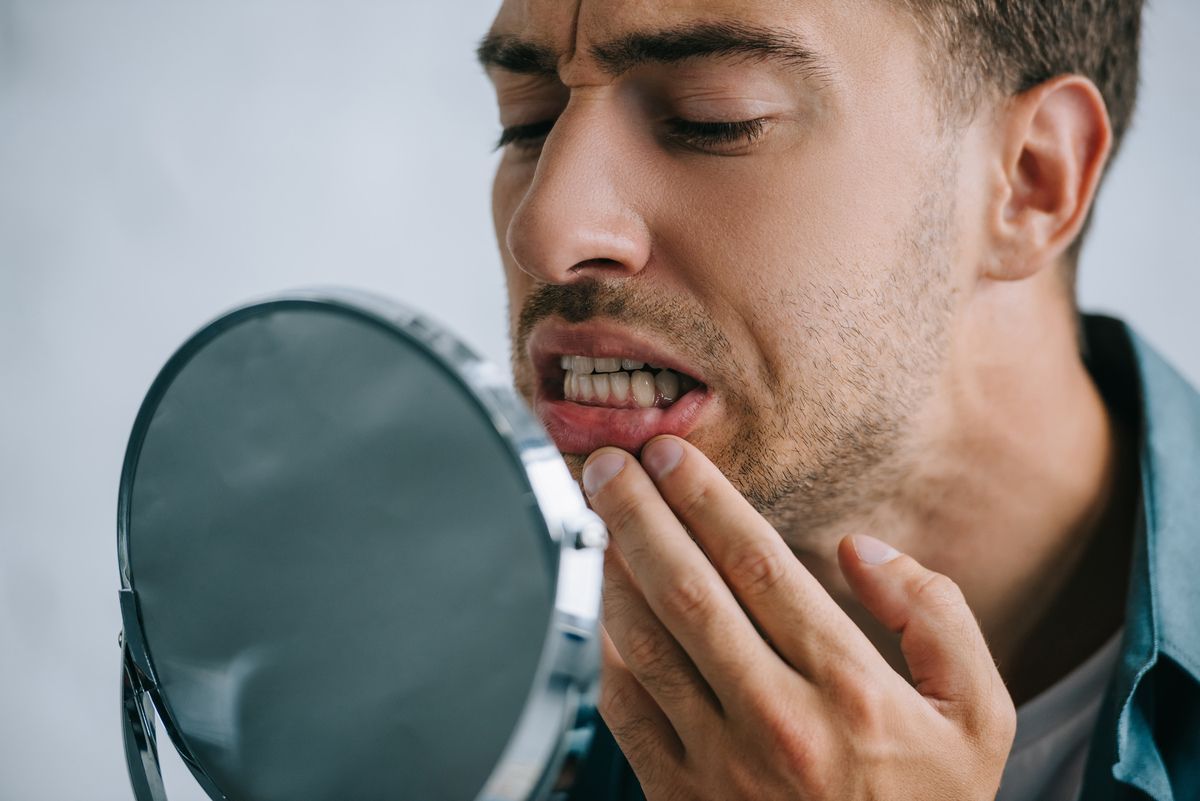
Mild soreness or pressure is common after braces are placed or adjusted. Your teeth and surrounding tissues may feel tender for a few days, and a new bracket or wire may rub against your cheeks or lips. Soft foods, careful brushing, and orthodontic wax can make this adjustment period more comfortable. Ask your dental provider which pain-relief options are appropriate for you.
Contact your orthodontic team if a bracket comes loose, a wire breaks or pokes, or an elastic will not stay in place. A damaged appliance may not guide your teeth as planned and could irritate the soft tissues in your mouth. UT Dentistry’s braces guidance recommends contacting your orthodontic provider about broken components and seeking care after oral or facial trauma.
Seek prompt medical or dental attention after a serious injury, especially if you have significant bleeding, swelling, severe pain, a displaced tooth, or trouble breathing or swallowing. Bain Dental & Aesthetics Group’s dental team can help you determine the appropriate next step.
What Problems Can Braces Correct?
Braces do more than straighten teeth. They can improve the way your upper and lower teeth meet, making everyday activities such as biting, chewing, speaking, and cleaning more comfortable. Treatment may address visible concerns, including crowding and gaps, as well as bite problems that affect how your teeth function.
The right treatment depends on your dental health, jaw development, gum condition, and goals. During an evaluation, your dental team may examine your teeth and bite, take X-rays or photographs, and discuss options such as traditional braces, ClearCorrect™, or Invisalign®. Bain Dental & Aesthetics Group provides comprehensive dental services for patients in Bowdon, Carrollton, Villa Rica, and nearby communities.
Braces use steady, carefully planned pressure to move teeth over time. Some patients need minor alignment changes, while others need treatment for both tooth position and bite. Your provider can explain which concerns braces may address and whether another treatment should come first.
Correct crowding, overlap, rotation, and crooked teeth
Crowding occurs when there is not enough room for teeth to line up properly. Teeth may overlap, twist, sit behind one another, or grow at an angle. Braces gradually guide them into more balanced positions by applying controlled pressure over time.
Straighter teeth can improve the appearance of your smile, but alignment also affects daily cleaning. Overlapping teeth may be difficult to reach with a toothbrush or floss, giving plaque more places to collect. The Cleveland Clinic explains how braces treat crooked, crowded, and rotated teeth, along with other alignment concerns.
Your provider will assess available space, tooth position, and your bite before recommending treatment. Some patients need limited movement, while others require comprehensive correction across the upper and lower arches.
Close gaps and even out spacing
Gaps between teeth can result from tooth size, jaw shape, missing teeth, tongue habits, or the tissue between the front teeth. A small gap may be primarily cosmetic, while larger or uneven spaces can affect chewing, speech, or the way nearby teeth meet.
Braces can move teeth closer together and distribute space more evenly. Treatment does not always involve moving every tooth the same distance. Your provider will plan each movement so the teeth fit together properly and remain as stable as possible afterward.
Retainers are important once active treatment ends. Teeth can shift over time without consistent retainer wear, and spaces may reopen. If you have concerns about spacing, schedule an evaluation at a Bain Dental location in Bowdon, Carrollton, or Villa Rica.
Treat overbites, underbites, crossbites, and open bites
A bite problem, also called malocclusion, occurs when the upper and lower teeth do not meet as they should. An overbite occurs when the upper front teeth extend too far over the lower teeth. With an underbite, the lower teeth sit in front of the upper teeth. A crossbite places some teeth inside or outside their expected position, while an open bite leaves space between certain teeth when the mouth closes.
Braces may improve these concerns, sometimes with elastics or other appliances. Treatment can support more comfortable biting, reduce uneven tooth wear, and improve how the teeth function together. The American Association of Orthodontists explains how braces address bite problems.
The best plan depends on whether the concern involves tooth position, jaw development, or both. Children and teens may have additional treatment options as their jaws develop, but adults can also receive effective bite correction.
Improve chewing, speech, biting, and oral hygiene
Misaligned teeth can affect routine activities. An uneven bite may make it harder to tear or grind food comfortably. Crowding, gaps, or an open bite may also influence certain speech sounds. When treatment improves tooth position and bite relationships, eating and speaking may feel more natural.
Straight teeth are often easier to brush and floss because cleaning tools can reach more surfaces. Braces require extra attention during treatment, though, especially around brackets and along the gumline. The American Association of Orthodontists describes benefits of braces, including easier cleaning, improved speech, and more comfortable eating.
Braces do not replace regular dental visits or daily home care. Brush with fluoride toothpaste, floss every day, and schedule professional cleanings to help protect your teeth and gums throughout treatment.
Know when jaw symptoms need broader evaluation
Not every jaw symptom comes from tooth alignment. Pain, frequent clicking, locking, limited movement, headaches, or difficulty opening and closing your mouth may call for a broader evaluation before braces begin.
Tell your dental team about any jaw discomfort, even if it seems minor. Your provider may assess your bite, jaw movement, facial muscles, and tooth wear before deciding whether additional testing or specialist care is appropriate. The American Association of Orthodontists recommends discussing jaw pain, discomfort, or clicking during an orthodontic consultation.
A careful evaluation helps your provider address the underlying concern rather than focusing only on appearance. Depending on your symptoms, care may involve a general dentist, orthodontic provider, or oral and maxillofacial surgeon. Bain Dental & Aesthetics Group has a board-certified oral and maxillofacial surgeon on its team for complex dental and jaw-related needs.
Prepare healthy teeth and gums for treatment
Healthy teeth and gums provide an important foundation for braces. Cavities, gum inflammation, infections, or heavy plaque may need treatment before brackets or appliances are placed. Since braces can make cleaning more challenging, starting with good oral health supports safer, more predictable treatment.
Your provider may perform an exam, take X-rays or photographs, evaluate your bite, and review your brushing and flossing routine. If you need a filling, gum therapy, or another dental service, that care may come first. The American Association of Orthodontists recommends treating dental problems such as cavities before braces.
Continue routine dental care throughout treatment. Brush carefully around every bracket, clean along the gumline, and keep professional hygiene appointments. Bain Dental & Aesthetics Group offers general dentistry services to help patients prepare for and maintain orthodontic care.
What Types of Braces Are Available?
Orthodontic treatment is not one-size-fits-all. The right option depends on your bite, tooth position, jaw development, oral health, treatment goals, and daily routine. Some patients benefit from fixed braces that remain attached throughout treatment, while others may qualify for removable clear aligners.
During a consultation, your dental team will examine your teeth and gums, evaluate your bite, and discuss concerns such as crowding, spacing, crooked teeth, and discomfort when chewing. X-rays, photographs, or digital scans may also help create a more precise treatment plan. The goal is not only to improve the appearance of your smile, but also to support a healthier bite and easier oral hygiene.
Bain Dental & Aesthetics Group provides traditional orthodontic treatment and clear aligner options, including ClearCorrect™ and Invisalign®, for patients in Bowdon, Carrollton, Villa Rica, and nearby Georgia communities. Your dental provider can explain which choices fit your needs and what to expect from each one.
Choose metal braces for comprehensive correction
Traditional metal braces use brackets, wires, bands, and elastic ligatures to guide teeth into healthier positions. They remain one of the most versatile orthodontic options and can address crowding, spacing, rotations, crooked teeth, and many bite concerns. Although the brackets are visible, modern designs are smaller and more comfortable than older versions.
Metal braces may be especially helpful when teeth need significant movement or when treatment requires precise, consistent pressure. Since they stay attached to your teeth, you do not need to remember to put them in each day. However, you will need to brush carefully around the brackets and attend regular adjustment appointments.
The Cleveland Clinic explains how braces work, including how brackets and wires apply gentle pressure over time. Your provider can discuss the expected treatment length, care requirements, and whether metal braces are appropriate for your bite.
Choose ceramic braces for a subtler fixed option
Ceramic braces work much like metal braces, but they use tooth-colored or clear brackets that blend more naturally with your smile. They can be a good choice for teens and adults who want the control of fixed braces with a less noticeable appearance.
Ceramic braces may correct many of the same concerns as metal braces, although your dental provider will determine whether they fit your treatment plan. The brackets can be more fragile, so you may need to take extra care when eating hard or crunchy foods. Some elastic ligatures can also stain after frequent exposure to coffee, tea, red sauce, or other dark foods and drinks.
Good brushing, careful food choices, and regular professional cleanings can help keep ceramic braces clean. Ask about the differences in durability, cost, maintenance, and expected treatment time before choosing this option. The Cleveland Clinic compares ceramic and metal braces as part of its overview of orthodontic treatment.
Place lingual braces behind the teeth
Lingual braces attach to the back surfaces of your teeth, making them difficult to see when you smile. They may appeal to patients who want fixed treatment without brackets on the front of their teeth.
Because lingual braces sit close to the tongue, they may take time to feel comfortable. Some patients notice temporary changes in speech or extra difficulty cleaning around the brackets. Your dental team can show you tools and techniques for caring for the appliance.
Lingual braces also require specialized planning and may not be suitable for every tooth position or bite concern. They can be more costly than other fixed options in some cases, and adjustments may require additional expertise. Before choosing them for appearance alone, ask whether they can provide the tooth movement your treatment requires.
Use ClearCorrect™ and Invisalign® aligners
ClearCorrect™ and Invisalign® use a series of custom-made, removable trays to gradually shift teeth. Each set is worn for a specified period, then replaced with the next set in the series. Since the trays are clear, they provide a discreet alternative to brackets and wires.
You can remove aligners for meals, brushing, and flossing, which may make daily care simpler. You must, however, wear them as directed and replace them after eating or cleaning your teeth. Leaving them out for long periods can affect progress. Aligners should also be cleaned regularly and stored in a case when they are not in use.
Bain Dental & Aesthetics Group offers ClearCorrect™ and Invisalign® treatment. During your consultation, the dental team can compare the systems based on your alignment concerns, lifestyle, treatment goals, and ability to follow daily wear instructions.
Compare fixed braces and removable aligners
Fixed braces stay attached to your teeth and work continuously, so treatment does not depend on remembering to wear an appliance. They may be better suited to complex tooth movement, significant bite concerns, or cases that require a high level of control. They can also be a practical choice for patients who may struggle to keep track of removable trays.
Clear aligners are less noticeable and can be removed for eating and oral hygiene. Their effectiveness depends on consistent wear, however. Patients who frequently remove their trays, lose them, or forget to replace them may experience delays or need adjustments to the treatment plan.
The American Association of Orthodontists explains how braces work and why treatment recommendations vary by the type and severity of the problem. Your provider can help you compare predictability, convenience, appearance, and daily responsibilities before you decide.
Compare visibility, comfort, care, compliance, cost, and treatment time
Appearance is only one factor to consider when comparing orthodontic options. Metal braces are visible, dependable, and often among the more affordable choices. Ceramic braces are subtler but may need more careful handling. Lingual braces are hidden from the front, though they can require an adjustment period for speaking and cleaning.
Clear aligners are removable, which makes meals and brushing more convenient. They may cost more in some cases, and they require consistent wear to stay on schedule. Fixed braces require careful cleaning around brackets and wires, while aligners require safe storage and regular cleaning.
Treatment time varies according to tooth movement, bite concerns, oral health, missed appointments, damaged appliances, and daily compliance. Ask about the estimated cost, insurance benefits, payment options, and available savings. Bain Dental & Aesthetics Group offers an in-house dental savings plan and flexible financing, which may help eligible patients plan for care.
Understand why discreet options may not fit every case
A discreet treatment option is not automatically the best option for every patient. Clear aligners may not be appropriate for some complex cases involving severe bite problems, certain extractions, jaw surgery, or other advanced movement. Ceramic and lingual braces also have limitations and may not suit every tooth position or treatment goal.
Your provider may recommend traditional metal braces when they offer better control or a more predictable result. That recommendation considers your oral health, bite, tooth movement, and long-term goals, not just how the appliance looks.
A thorough evaluation can help you understand which options are realistic for your smile. Bain Dental & Aesthetics Group serves patients through its Bowdon, Carrollton, and Villa Rica locations. Bring questions about visibility, comfort, treatment time, maintenance, costs, and financing to your consultation so you can make an informed choice.
Who May Need Braces and When?
Braces can help children, teens, and adults improve the appearance and function of their smiles. You do not need to wait until a dental concern becomes painful before asking about orthodontic treatment. An evaluation can identify crowded teeth, bite problems, or jaw development concerns before they affect eating, speaking, cleaning, or long-term oral health.
Recognize signs that call for an orthodontic evaluation
Several everyday concerns may suggest that it is time for an orthodontic evaluation. Look for crooked, crowded, gapped, rotated, or overlapping teeth, along with difficulty brushing or flossing between certain areas. Frequent biting of the tongue or cheeks, trouble chewing, or teeth that do not meet evenly may also signal a bite concern.
An overbite, underbite, crossbite, or open bite is another reason to schedule an assessment. Jaw clicking, discomfort, or pain deserves attention, especially when it occurs with limited movement. Children may benefit from an evaluation if baby teeth fall out unusually early or late, adult teeth erupt slowly, or teeth appear to be coming in incorrectly. The American Association of Orthodontists’ guide to braces lists additional signs that may warrant professional evaluation.
Consider braces for children, teens, and adults
Orthodontic treatment is not limited to teenagers. The Cleveland Clinic explains that braces are often considered between ages 9 and 14, when many permanent teeth have erupted and the jaw is still developing. An earlier evaluation can still be useful, even when treatment is not needed immediately.
Adults can also benefit from braces or clear aligners. Some address concerns that were never treated, while others seek care after teeth shift over time. Healthy teeth and gums matter more than a specific age. Bain Dental & Aesthetics Group can discuss traditional braces, ClearCorrect™, and Invisalign® based on your oral health, bite, lifestyle, and smile goals.
Assess age, jaw development, gum health, and treatment goals
Age provides helpful context, but it does not determine whether braces are appropriate by itself. During an evaluation, the dental team considers jaw growth, tooth development, gum health, bone support, existing dental work, and the type of bite problem involved. Children may need monitoring before treatment begins, while others may benefit from early care, such as partial braces or a palatal expander.
Adults may need cleanings, gum therapy, fillings, or other restorative treatment before orthodontic care starts. It is also important to explain what you hope to change. Your goal may be a straighter smile, easier cleaning, improved chewing, or a more balanced bite. Bain Dental & Aesthetics Group offers comprehensive dental services, allowing the team to consider orthodontic needs alongside your overall oral health.
Complete exams, X-rays, photos, and bite assessments
Your first appointment typically includes an examination of your teeth, gums, bite, and jaw movement. Depending on your needs, the dental team may take photographs, X-rays, digital scans, impressions, or three-dimensional images. These records show how teeth are positioned below the gumline and how the upper and lower jaws fit together.
A complete assessment can identify impacted teeth, missing teeth, crowding, bone concerns, or uneven contact between the arches. It also helps your provider create a treatment plan based on more than appearance alone. You can ask how each option may address your concerns, how long treatment may take, and what care will be expected at home. Bain Dental’s team can explain your findings and available treatment choices in clear, practical terms.
Address cosmetic and functional concerns
Many people consider braces because they want a straighter, more even smile. Orthodontic treatment can correct crooked, crowded, gapped, and rotated teeth. It may also improve the way the upper and lower teeth meet, which can make biting and chewing more comfortable and daily brushing and flossing easier.
Some bite problems affect speech or cause teeth to wear unevenly. Others may contribute to repeated cheek or tongue biting. Orthodontic treatment may help address these concerns, although jaw pain and clicking can have several causes and may require a broader evaluation. Share all symptoms with your dental provider so the plan addresses function as well as appearance. If you are unsure where to begin, Bain Dental’s locations in Bowdon, Carrollton, and Villa Rica make it easier to discuss your options close to home.
Correct myths about age, appearance, discomfort, and results
One common myth is that braces are only for children and teens. Adults can also benefit from orthodontic treatment when their teeth, gums, and supporting bone are healthy. Another misconception is that braces must be highly noticeable. Traditional metal braces remain a dependable option, while ceramic braces and clear aligners may provide a subtler approach when they suit the case.
Braces may cause pressure or tenderness after placement and adjustments, but this discomfort is usually temporary. Clear aligners can also create brief periods of pressure as teeth begin to move. Treatment results depend on regular appointments, good oral hygiene, and following instructions, including wearing removable aligners as recommended. Your provider can explain realistic results and help you choose an option that fits your needs.
What to Expect During Braces Treatment
Braces treatment is a gradual process that guides your teeth into better alignment. Whether you choose traditional braces, ceramic braces, or clear aligners, treatment usually includes an evaluation, a personalized plan, regular progress checks, and a retainer phase after active treatment ends.
Your experience will depend on your bite, the amount of movement needed, your oral health, and the treatment option you choose. Traditional braces stay attached to your teeth, while clear aligners can be removed for eating and oral hygiene. Your dental team will explain what to expect, how to care for your appliance, and when to contact the office. Learn more about orthodontic services available through Bain Dental & Aesthetics Group.
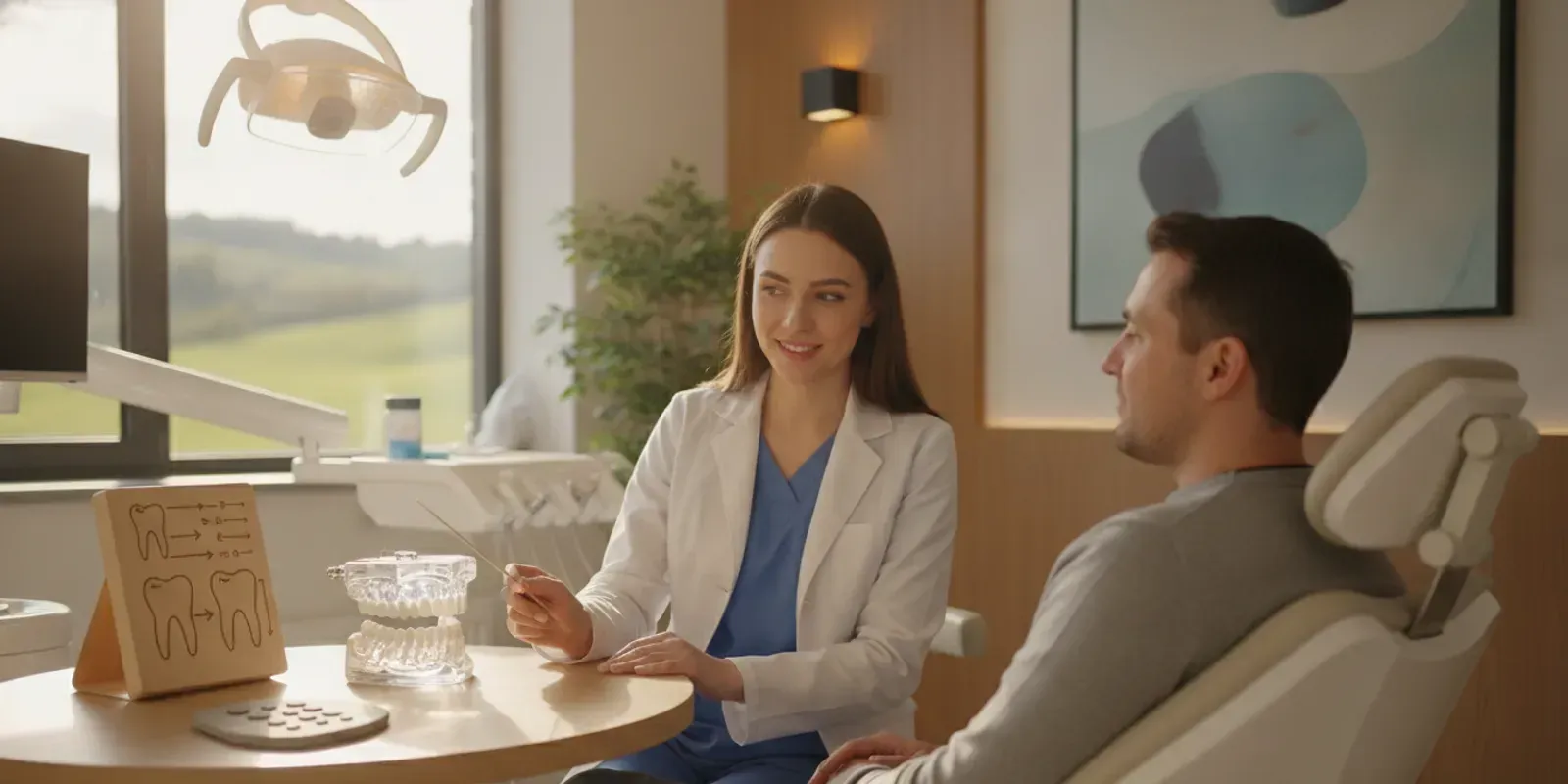
Start with a consultation and personalized treatment plan
Your first appointment gives the dental team a detailed view of your teeth, bite, jaw alignment, and oral health. The provider may examine your teeth and gums, take photographs and X-rays, and use dental impressions, digital scans, or 3-D models. These records help identify alignment concerns and determine whether braces or clear aligners are appropriate.
This visit is also a chance to discuss your goals. You may want to correct crowding, close gaps, improve your bite, or make brushing easier. Your provider can explain which options fit your needs, how long treatment may take, and what care will involve at home. Cavities or gum disease may need treatment before braces begin. The American Association of Orthodontists explains the braces evaluation process in more detail.
Place brackets or fit clear aligners
If you choose traditional or ceramic braces, the provider cleans and prepares your teeth before attaching the brackets. A thin wire passes through the brackets and applies gentle, controlled pressure. Small bands or elastics may also help guide specific teeth or improve your bite. Placement should not be painful, although your teeth and cheeks may feel sensitive afterward.
With clear aligners, your provider fits a series of custom-made trays over your teeth. Each tray applies gentle pressure before you move to the next one. Aligners can be removed for meals, brushing, and flossing, but you must wear them for the amount of time your provider recommends. Since aligners are not suitable for every orthodontic concern, your treatment plan should guide the choice.
Attend adjustments, receive new trays, and track progress
Regular visits allow your dental team to monitor tooth movement and make changes when needed. With traditional braces, an appointment may include replacing or adjusting wires, changing elastics, or checking brackets. With clear aligners, you may receive additional trays and instructions about when to begin using each one.
Appointments often take place every 4 to 12 weeks, although your schedule will depend on your treatment plan. Your provider may take progress photos or scans to compare your current alignment with earlier records. Mention any soreness, loose brackets, damaged aligners, or difficulty with daily care during these visits. The American Association of Orthodontists recommends contacting your orthodontic provider when concerns arise between appointments.
Plan for 12 to 24 months of treatment
Many people wear braces for about 12 to 24 months, but your timeline may be shorter or longer. Mild alignment concerns may improve in less than a year, while more complex cases can take two to three years. Your provider can give you an estimated range after reviewing your teeth, bite, and treatment goals.
Think of this estimate as a guide rather than a fixed end date. Teeth respond at different rates, and your treatment plan may change as your smile develops. Children and teens may also have different timelines from adults because jaw growth can affect orthodontic care. The Cleveland Clinic’s guide to braces explains why treatment length varies from person to person.
Identify factors that affect treatment time
The severity of your misalignment is one of the main factors affecting treatment length. Crowding, significant gaps, rotated teeth, and bite problems may require more movement than a minor spacing concern. The type of appliance also matters, as does whether you need elastics or other orthodontic components.
Your daily habits can affect your schedule, too. Missed appointments, broken brackets, lost aligners, and wearing aligners for less time than instructed may delay progress. Oral health also plays a role. Cavities or gum inflammation can interrupt treatment while those concerns receive care. Following your provider’s instructions, attending appointments, and protecting your braces can help keep treatment on schedule.
Manage soreness, cheek irritation, and rubbing brackets
Mild soreness is common for a few days after braces are placed or adjusted. Your teeth may feel tender when you bite, and brackets or wires may rub against your cheeks, lips, or tongue. Clear aligners can also create temporary pressure as your teeth adjust to a new tray.
Soft foods, cool drinks, and orthodontic wax may make this adjustment period easier. Place a small amount of wax over a bracket or wire that rubs against sensitive tissue, following your provider’s instructions. Over-the-counter pain relief may help if it is safe for you to take. Contact your dental team if pain is severe, lasts longer than expected, or comes with swelling, fever, or another concerning symptom.
Address missed visits, broken appliances, and inconsistent aligner wear
Call the office if a bracket breaks, a wire becomes loose, or an aligner cracks, bends, or no longer fits correctly. Do not cut, pull, or repair an appliance yourself unless your dental team specifically instructs you to do so. Orthodontic wax can provide temporary comfort, but it does not correct the problem.
If you miss an appointment, reschedule as soon as possible. A delay can leave your teeth without the planned adjustment and may extend treatment. Clear aligner patients should follow the prescribed wear schedule and keep trays in their case when they are not being worn. Inconsistent wear can slow progress and make the next aligner difficult to fit. Promptly reporting a problem gives your provider more options for addressing it.
Wear retainers to maintain results
When active treatment ends, your teeth still need support as they settle into their new positions. Retainers help prevent them from shifting back. Your provider will recommend the type that best fits your treatment, which may include a removable retainer or one attached behind the teeth.
Follow your provider’s instructions for wearing and cleaning your retainer. Keep removable retainers in their case when you are not using them, and avoid hot water, which can change their shape. Retainers can wear out, crack, or become lost, so contact your dental office if yours no longer fits or is damaged. Consistent retainer use helps protect the alignment you worked to achieve.
How to Care for Braces
Braces work best when you protect the brackets and wires, keep your teeth and gums clean, and follow your dental team’s instructions between visits. A consistent routine can help reduce plaque buildup, gum irritation, enamel stains, and treatment delays. The Cleveland Clinic’s braces guide also recommends paying attention to food choices, sports protection, and appliance problems throughout treatment.
Your care routine may vary depending on whether you have traditional braces, ceramic braces, ClearCorrect™ aligners, or Invisalign® aligners. Fixed braces require careful cleaning around brackets and wires, while removable aligners need regular cleaning and consistent wear. If you are unsure about a cleaning product, food, or damaged appliance, contact your dental provider for personalized guidance.
Brush around brackets and the gumline with fluoride toothpaste
Brush at least twice daily with a soft-bristled toothbrush and fluoride toothpaste. Angle the brush gently around each bracket, then clean along the gumline where plaque commonly collects. Brush the tops, bottoms, and sides of your brackets instead of focusing only on the front surfaces.
An orthodontic toothbrush or electric toothbrush may make it easier to clean around wires and hardware. Use light pressure, since aggressive scrubbing can irritate your gums. If possible, brush after meals as well, particularly when food becomes trapped around your braces.
Ask your dental team whether you need a prescription-strength fluoride product or extra help with certain areas. Bain Dental & Aesthetics Group provides comprehensive dental services to support healthy teeth and gums during orthodontic treatment.
Clean after meals and floss daily
Food can collect around brackets and beneath wires, so rinse your mouth with water after eating when brushing is not practical. Rinsing helps loosen food particles until you can brush properly. Keep a travel toothbrush and fluoride toothpaste in your bag, desk, or car for convenient cleanups at school, work, or while traveling.
Floss at least once each day. Brushing cannot clean every surface between your teeth, and plaque left in those spaces may contribute to cavities or gum inflammation. Guide the floss carefully beneath the main wire, then clean both sides of each tooth with a gentle up-and-down motion.
Do not snap the floss against your gums or force it between tight contacts. If flossing feels difficult, ask your dental team to demonstrate a technique that works with your braces. Daily cleaning is particularly important before adjustment visits, when your provider will check your teeth and gums.
Use floss threaders, interdental brushes, and water flossers
Traditional floss can be difficult to use with braces, but specialized tools can make your routine more manageable. A floss threader guides floss beneath the archwire so you can clean between your teeth and around the brackets. Orthodontic flossers may also simplify the process with a stiff end and pre-cut floss.
Interdental brushes can clean beneath wires and around bracket edges. Choose a size that fits comfortably without forcing it into a space. A water flosser may help rinse away loose debris, especially if regular flossing is challenging.
These tools support, but do not replace, brushing and daily flossing. Your dentist or orthodontic provider can recommend the right combination based on your appliance and gum health. If you are considering ClearCorrect™ or Invisalign® aligners, your cleaning routine will include both your teeth and your aligners.
Use fluoride rinses and schedule regular cleanings
An alcohol-free antibacterial or fluoride mouthwash may provide additional support for your oral hygiene routine. Use it as directed by your dental team, often after brushing, and do not use it as a substitute for brushing or flossing. A fluoride rinse may be helpful if your provider identifies a higher risk of cavities or white spots during treatment.
Continue scheduling regular dental cleanings while you wear braces. Professional cleanings remove hardened buildup that may remain around brackets, even when your home care is thorough. Your dentist can also check for early signs of cavities, enamel changes, gum swelling, or irritation.
Keep your orthodontic appointments for adjustments and progress checks. These visits allow your provider to replace wires, change elastics, fit new aligners, and address concerns before they interfere with treatment. Bain Dental & Aesthetics Group’s dental team can help coordinate ongoing care around your orthodontic needs.
Choose and prepare braces-friendly foods
Your teeth and mouth may feel tender for several days after braces are placed or adjusted. Choose soft foods that require less chewing, such as yogurt, oatmeal, scrambled eggs, soup, pasta, mashed potatoes, smoothies, cooked vegetables, and soft fruit. Cutting food into small pieces can make meals more comfortable.
As soreness fades, you can return to a wider range of foods, but continue to consider how each item may affect your brackets and wires. Slice apples, pears, carrots, and other firm foods into small pieces instead of biting into them whole. Remove meat from bones before eating, and cut sandwiches, pizza, and similar foods into manageable bites.
If chewing remains painful after several days, tell your orthodontic provider. Ongoing discomfort may need evaluation, especially if it affects your ability to eat or sleep. Thoughtful food choices can help protect your appliance and keep treatment on schedule.
Avoid hard, sticky, chewy, and crunchy foods
Hard and crunchy foods can bend wires or loosen brackets. Sticky and chewy foods may cling to braces, pull on hardware, and make cleaning more difficult. Avoid foods such as caramels, taffy, gum, hard candies, ice, popcorn kernels, nuts, and very crunchy chips.
Use caution with raw vegetables, firm fruit, tough meats, and foods with pits or bones. You may not need to eliminate every one of these foods, but prepare them in a braces-friendly way. Cut firm produce into small pieces, cook vegetables until tender, and choose softer options when your mouth feels sore.
Do not chew on pens, pencils, fingernails, or ice. These habits put extra pressure on brackets and wires. If you are unsure whether a favorite food is safe, ask your orthodontic provider before eating it. A quick question may help you avoid an unnecessary repair visit.
Clean, wear, and store clear aligners properly
If you wear ClearCorrect™ or Invisalign® aligners, follow your treatment plan closely. Most patients need to wear aligners for at least 22 hours each day, removing them primarily to eat, drink anything besides water, and brush. Wearing them for less time than prescribed may affect tooth movement and extend treatment.
Rinse aligners with cool or lukewarm water whenever you remove them. Brush them gently with a soft toothbrush and use a cleaner recommended by your dental team. Avoid hot water, which can change the shape of the plastic. Brush and floss your teeth before putting the aligners back in whenever possible.
Keep aligners in their case when you are not wearing them. Do not wrap them in a napkin, where they may be thrown away, or leave them loose in a pocket or bag. If an aligner cracks, becomes distorted, or no longer fits, contact your provider before switching trays on your own.
Wear mouthguards during sports and physical activities
Wear an orthodontic mouthguard during contact sports and other activities that could cause an impact to your mouth. A properly fitted mouthguard helps cushion your teeth, brackets, and soft tissues. Standard mouthguards may not fit well over braces, so ask your dental team which type is appropriate for your appliance.
Do not use a mouthguard that feels too tight, presses against brackets, or makes breathing difficult. Braces can change the shape of your teeth during treatment, so your mouthguard may need to be checked or replaced.
If you wear removable aligners, ask your provider whether you should wear them during sports. Store removable appliances safely if you take them out to play. After an impact, contact your dental or orthodontic provider promptly if you have bleeding, significant pain, a loose tooth, a broken bracket, or a damaged aligner.
Use orthodontic wax to soothe rubbing brackets and wires
New brackets and wires may rub against your cheeks, lips, or tongue while your mouth adjusts. Orthodontic wax creates a smooth barrier over a rough bracket or the end of a wire. To apply it, wash your hands, dry the area as much as possible, and press a small piece of wax over the irritating spot.
Wax provides temporary comfort, but it is not a permanent repair. Replace it as needed, particularly after eating or brushing. Warm saltwater rinses may soothe minor irritation, but they will not correct a loose bracket or protruding wire.
If the rubbing continues, tell your orthodontic provider. The team may be able to adjust the wire or recommend another way to protect the area. Ask for help if a sore does not improve, becomes more painful, or makes eating and speaking difficult.
Repair loose brackets, broken wires, and damaged aligners
Contact your orthodontic provider if a bracket becomes loose, a wire breaks, or an archwire slips out of place. Do not pull, cut, or bend the appliance unless your provider specifically explains how to manage the issue. Changing it yourself may cause an injury or affect tooth movement.
While you wait for instructions, orthodontic wax can cover a sharp area. If a wire is poking your cheek, use clean tweezers only if your provider recommends that approach. Save any broken piece and bring it to your appointment when possible.
For a damaged aligner, keep wearing it only if it remains comfortable and fits properly, unless your provider gives different instructions. Do not move to the next tray without guidance. You can contact one of Bain Dental & Aesthetics Group’s Georgia locations for help with the next step.
Seek prompt or emergency care for serious braces problems
Some braces issues can wait until the next business day, but others need prompt attention. Contact your dentist or orthodontic provider if pain does not improve with recommended medication, a bracket or wire breaks, or an aligner becomes unusable. Calling early may prevent a small problem from interfering with treatment.
Seek emergency care for heavy bleeding, severe swelling, trouble breathing or swallowing, a serious facial injury, or a tooth that has been knocked out or significantly displaced. If a wire or bracket is swallowed or inhaled, seek immediate medical attention.
Do not wait for a routine appointment when symptoms are severe or worsening. Bain Dental & Aesthetics Group offers emergency dental care for urgent concerns, and its Bowdon, Carrollton, and Villa Rica offices can help direct you to appropriate care.
Choose the Right Braces With Bain Dental & Aesthetics Group
Choosing braces involves more than deciding whether you prefer metal or clear treatment. The right option depends on your alignment, bite, gum health, daily routine, and goals for your smile. Some patients need fixed braces for more involved tooth movement, while others may be candidates for removable clear aligners. A dental evaluation can help determine which approach is appropriate.
Bain Dental & Aesthetics Group offers traditional braces, ClearCorrect™ aligners, and Invisalign® aligners. During your consultation, the dental team can examine your teeth and bite, discuss your concerns, and explain the advantages and limitations of each option. This personalized approach can help you make a decision based on your oral health rather than appearance alone.
Your treatment plan may address crowded, crooked, rotated, overlapping, or gapped teeth. It may also improve bite concerns such as overbites, underbites, crossbites, and open bites. In addition to creating a more even smile, orthodontic care can support comfortable chewing and make daily brushing and flossing easier. The Cleveland Clinic’s guide to braces explains how different appliances help move teeth into healthier positions.
Bain Dental & Aesthetics Group serves patients in Bowdon, Carrollton, Villa Rica, and nearby Georgia communities. The team can also discuss comfort, appointment schedules, care instructions, expected treatment time, and payment options before you begin.
Match treatment to alignment, bite, lifestyle, and smile goals
Braces can correct a wide range of alignment concerns, but not every appliance works equally well for every patient. Your dental team will consider how crowded, spaced, rotated, or crooked your teeth are, along with the way your upper and lower teeth fit together. Healthy teeth and gums are also important before orthodontic treatment begins.
Your routine and personal preferences matter, too. Think about how often you can clean your appliance, whether you participate in sports, and how comfortable you feel wearing visible braces. You may also want treatment that makes chewing easier or supports simpler brushing and flossing. A thorough evaluation helps connect your treatment choice with your health needs and smile goals.
Discuss visibility, comfort, removability, and daily compliance
Traditional metal braces remain attached to your teeth throughout treatment. Ceramic braces use tooth-colored or clear components for a less noticeable appearance, although they may be more fragile. Clear aligners are removable and typically less visible, which can make meals and oral hygiene more convenient.
Removable treatment requires consistent daily wear. The American Association of Orthodontists explains that clear aligners generally need to be worn for at least 22 hours a day and removed only for eating, drinking, and brushing. If you regularly forget to wear them, fixed braces may be easier to manage. Your team can help you weigh appearance, comfort, cleaning, compliance, and treatment goals together.
Compare traditional braces, ClearCorrect™, and Invisalign®
Traditional braces use brackets, wires, bands, and elastic ligatures to guide teeth into position. They stay in place throughout treatment and can address many alignment and bite concerns. Since you cannot remove them at home, careful brushing, flossing, and food choices are essential.
ClearCorrect™ and Invisalign® use a series of custom-made, removable trays. They are generally less noticeable than metal braces and can be removed for meals and oral hygiene. You must wear each set according to your treatment plan, keep the trays clean, and store them safely when they are not in use.
Bain Dental & Aesthetics Group can compare these options after assessing your teeth and bite. The American Association of Orthodontists’ braces information provides additional details about fixed appliances and clear aligners.
Ask the dental team the right questions
Use your consultation to ask questions about treatment, maintenance, and long-term results. Find out which appliance the team recommends and why. You can also ask how long treatment may take, how often you will need appointments, and what changes you should expect during each phase.
Ask what to do if a bracket breaks, a wire becomes loose, or an aligner no longer fits. You may also want to discuss soreness, food restrictions, cleaning tools, sports mouthguards, and missed visits. Clear answers can help you prepare for daily care and reduce surprises during treatment.
Retainers deserve special attention. Ask which type you will receive, how often to wear it, how to clean it, and what to do if it breaks or stops fitting. The American Association of Orthodontists’ retainer guidance offers helpful questions to discuss before treatment begins.
Review costs, insurance benefits, Bain Dental’s in-house savings plan, and flexible financing
The cost of braces varies based on the appliance, the complexity of your alignment and bite, and the expected treatment length. Dental insurance may cover part of orthodontic treatment, but benefits differ by plan. Before treatment starts, ask the office to review your coverage, deductible, annual or lifetime limits, and estimated out-of-pocket expenses.
Bain Dental & Aesthetics Group offers an in-house dental savings plan and flexible financing options for eligible patients. Ask about the total treatment fee, payment schedule, retainers, and any costs related to replacement appliances or treatment changes. Discussing these details early gives you a clearer view of your options and helps you plan for care with confidence.
Receive comfort-focused care in Bowdon, Carrollton, and Villa Rica, Georgia
Orthodontic treatment includes regular visits, so choosing a convenient office and supportive dental team can make the process easier. Bain Dental & Aesthetics Group provides care at locations in Bowdon, Carrollton, and Villa Rica.
The practice combines comprehensive dental services with a comfort-focused experience. Your care team can explain how to manage soreness, clean around braces, protect your teeth during sports, and respond to broken brackets, wires, or aligners. If you are considering braces for yourself or a family member, schedule an evaluation to discuss your alignment, bite, smile goals, and treatment choices.
Frequently Asked Questions
How do I know whether braces are right for me?
An evaluation can determine whether braces or clear aligners fit your needs. Your dental provider will assess tooth alignment, bite, jaw movement, gum health, existing dental concerns, and your treatment goals. Adults, teens, and children may all qualify for orthodontic care when their teeth and supporting tissues are healthy.
How long does orthodontic treatment usually take?
Many patients wear braces for about 12 to 24 months, but the timeline varies. The amount of crowding, spacing, tooth rotation, bite correction, appliance type, oral health, missed appointments, and daily treatment compliance can all affect how long care takes.
Are clear aligners as effective as traditional braces?
ClearCorrect™ and Invisalign® can correct many alignment concerns, but they are not appropriate for every case. Their success depends on wearing the trays as directed, usually for most of the day, and keeping them clean. Traditional braces may offer more control for complex tooth movement or significant bite concerns.
What foods should I avoid with braces?
Avoid hard, sticky, chewy, and crunchy foods that can damage brackets or wires. This includes ice, gum, caramel, hard candy, popcorn kernels, and nuts. Cut firm fruits and vegetables into small pieces, and choose softer foods when your teeth feel tender after an adjustment.
What should I do if a bracket breaks or an aligner no longer fits?
Contact your dental team for instructions rather than trying to repair the appliance yourself. Orthodontic wax may protect your cheek from a sharp bracket or wire while you wait for guidance. Seek urgent care for severe swelling, heavy bleeding, trouble breathing or swallowing, or a serious injury.