Dentures: Types, Benefits, Fitting, and Care
A practical guide to denture options, fitting, comfort, and daily care.
Missing teeth can affect more than your smile. You may find it harder to chew certain foods, speak comfortably, or feel at ease in photos. Dentures offer one way to replace missing teeth, but choosing an option can bring up plenty of questions. Will they feel secure? How much care do they need? Could implants help them stay in place? The answers depend on your oral health, how many teeth are missing, and what matters most in your daily routine. This guide explains the main types of dentures, what to expect during treatment, and how to care for them. You’ll also learn when it’s time to ask a dentist about fit or discomfort.
Key Takeaways
• Compare denture options with a dentist: Your remaining teeth, gum and jaw health, comfort preferences, and budget can help shape a treatment plan.
• Build a routine for comfort and care: Clean your dentures and mouth daily, practice eating and speaking, and keep follow-up appointments for fit checks.
• Ask for help when something changes: Contact your dentist about persistent soreness, slipping, damage, or difficulty eating, and ask Bain Dental & Aesthetics Group about denture consultations in Bowdon, Carrollton, or Villa Rica.
What Are Dentures?
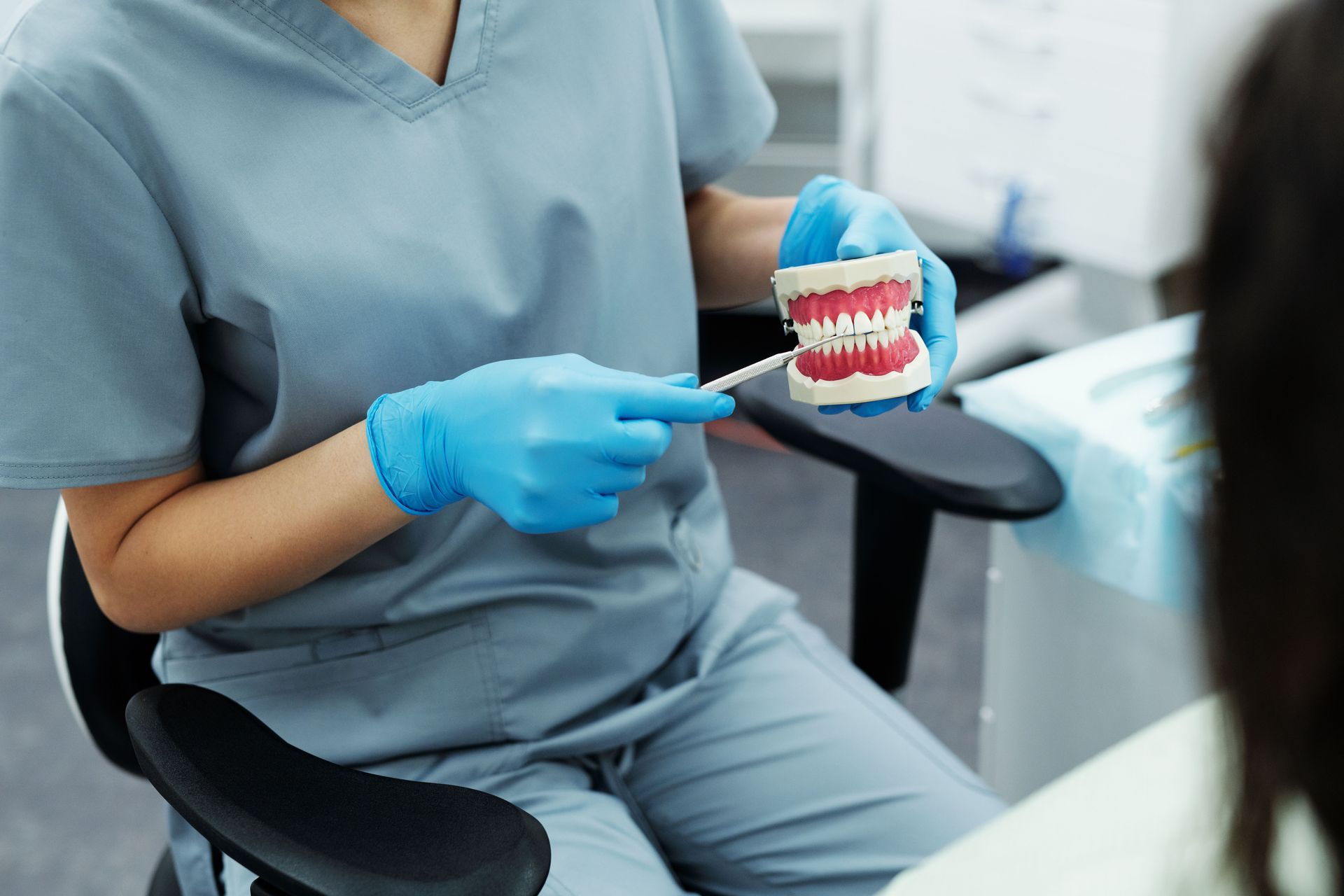
Dentures are custom-made appliances that replace missing teeth in the upper jaw, lower jaw, or both. They can rest on the gums or connect to dental implants, depending on the design. Your dentist can assess your oral health and discuss which options may fit your needs and daily routine.
How dentures replace missing teeth
Dentures use artificial teeth set into a base shaped to fit your mouth. They can replace all the teeth in an arch or fill spaces left by a few missing teeth. Materials may include acrylic, resin, nylon, metal, or porcelain. The design and material depend on the type of denture and your treatment plan.
Before recommending dentures, a dentist will examine your gums and any remaining teeth. A comfortable fit matters for everyday use, and your dentist may adjust the appliance over time. Read the Cleveland Clinic’s overview of dentures for more on how they replace missing teeth.
Removable vs. implant-supported dentures
Traditional dentures rest on the gums and can be removed for cleaning. Some removable dentures attach to dental implants, which can help them stay in place more securely. These are often called implant-retained dentures. They can still be taken out, usually by the wearer, for daily care.
Other implant-supported dentures are fixed in place and can only be removed by a dentist. They need careful daily cleaning, including underneath the appliance. The terms used for these options can vary, so ask your dentist how a recommended denture works and what care it requires. Bain Dental & Aesthetics Group offers dental implant services and can discuss treatment options during a consultation.
How dentures affect chewing, speech, and facial support
Missing teeth can make chewing certain foods or pronouncing some words more difficult. Dentures may help restore these everyday functions, though getting used to them takes time. Your dentist may suggest starting with softer foods, taking small bites, and practicing speaking aloud as you adjust.
Replacing missing teeth may also support the shape of your face. Tooth loss can affect facial muscles, while dentures can help fill out the face and profile. Fit plays an important role in comfort and function, so contact your dentist if your dentures rub, feel loose, or make eating difficult. The American Dental Association’s denture guide (https://www.mouthhealthy.org/all-topics-a-z/dentures) shares more about their role in appearance and daily life.
What Types of Dentures Can You Choose?
Dentures come in several forms, and the right option depends on how many teeth you’re missing, the condition of your gums and jaw, and whether you prefer a removable or fixed replacement. A dental exam can help you understand what may work for your needs and what each option involves.
Full dentures replace all teeth in an arch
Full dentures replace all the teeth in the upper arch, lower arch, or both. They rest on the gums and are made to fit your mouth. Some people receive conventional dentures after their gums heal from tooth extractions. Others may be fitted with immediate dentures around the time their teeth are removed.
Your dentist will consider your oral health, comfort, and preferences when recommending full dentures. The shape of your gums and jaw can change over time, which may affect the fit. Adjustments or a reline can help keep dentures comfortable as your mouth changes. The Cleveland Clinic’s overview of dentures explains common types and how they work.
Partial dentures fill gaps between natural teeth
If you still have some natural teeth, a partial denture can replace one or more missing teeth while fitting around the teeth that remain. Many removable partial dentures use clasps that attach to nearby natural teeth for support. Your dentist will check the health of those teeth and your gums before recommending this option.
A partial denture can fill visible gaps and support everyday activities such as speaking and chewing. It also needs regular cleaning, and your natural teeth still need daily care. Your dentist can show you how to put the denture in and take it out safely, and explain how to look after it at home.
Immediate dentures follow tooth removal
Immediate dentures are prepared before tooth extractions and placed after the teeth are removed. This means you don’t have to wait without teeth while your mouth heals. They may be used temporarily during healing or, in some cases, serve as your final dentures.
As your gums and jaw heal, their shape can change, which may affect how immediate dentures fit. Follow-up appointments give your dentist a chance to check the fit and recommend adjustments or a reline if needed. Ask your dental team what to expect during healing, how to clean your dentures, and when to contact them about discomfort.
Implant-retained and implant-supported dentures
Implant-retained dentures connect to dental implants but can be removed for cleaning. They often stay more securely in place than traditional removable dentures and typically don’t require adhesive. Your dentist can explain how the attachments work and whether this option suits your oral health and treatment goals.
Implant-supported dentures attach to implants and stay in place; a dentist removes them when necessary. They require careful daily cleaning, including underneath the denture. Both options involve implant surgery, and suitability depends on factors such as jawbone health and overall oral health. Bain Dental & Aesthetics Group offers a range of dental services; ask the team about a consultation to discuss denture options.
How Do You Choose the Right Dentures?
How tooth loss, gum health, and remaining teeth shape your options
The right denture depends on how many teeth you’re missing, the health of your gums and jawbone, and your preferences for fit and care. If you still have healthy teeth, a partial denture may fill the gaps around them. If all teeth in an arch are missing or need to be removed, a full denture may be an option.
Your dentist will examine your mouth and discuss your goals before recommending treatment. Gum health, remaining teeth, and jawbone condition can affect which options are suitable and how well a denture may fit. Consider what matters most to you, such as appearance, comfort, or being able to remove your denture for cleaning. The Cleveland Clinic’s guide to dentures outlines some of the factors that can shape this decision.
Compare dentures with dental implants
Dentures and dental implants replace missing teeth in different ways. Traditional dentures rest on the gums and are removed for cleaning. Implants are placed in the jawbone and can support individual teeth or a denture. Implant-supported dentures attach to implants for added stability, and may be removable or fixed, depending on the design.
Implants may help reduce bone loss after tooth loss, but they usually cost more than traditional dentures and require a surgical procedure. The best choice depends on your oral health, treatment preferences, timeline, and budget. Ask your dentist to explain the benefits, limitations, and expected costs of each option, including any care needed before treatment. Bain Dental & Aesthetics Group provides both denture and implant services, so you can discuss options with its dental team.
Compare fit, stability, appearance, and daily care
A well-fitting denture should feel comfortable and look natural, but different types have different care routines. Removable dentures need regular cleaning and should be taken out as directed by your dentist. Traditional dentures may shift or slip while you eat or speak, particularly if the fit changes over time. Implant-supported dentures connect to implants for added stability; some designs can be removed for cleaning, while others remain in place.
Ask how each option may affect your meals, speech, and daily routine. You can also discuss the shape and shade of the replacement teeth to find an appearance that feels right for you. Since your gums and jaw can change, follow-up appointments may be needed to adjust or reline dentures. Your dentist can help you compare the expected fit, maintenance, and appearance of each option.
What affects cost, insurance coverage, and payment options?
Denture costs vary based on the type of appliance and the care needed to prepare your mouth. Extractions, implants, relines, and other procedures may add to the total. Insurance coverage also varies by plan, so contact your provider to ask which services are covered and whether you have deductibles or annual limits.
Before treatment, request an estimate that lists the denture and any related procedures separately. Ask what the price includes, whether adjustments or repairs may cost extra, and what payment options are available. Bain Dental & Aesthetics Group offers an in-house dental savings plan and flexible financing. Contact the team to learn which options may apply to your treatment, or find the nearest office in Bowdon, Carrollton, or Villa Rica.
What Are the Benefits and Challenges of Dentures?
Dentures can make daily activities like eating and speaking easier while restoring the appearance of your smile. Getting used to them takes time, though, and a comfortable fit may require follow-up adjustments. Understanding the benefits and common challenges can help you know what to expect and when to contact your dental team. Bain Dental & Aesthetics Group offers denture services as part of its comprehensive dental care.
Restore appearance, speech, and chewing function
Dentures replace missing teeth, which may help you chew more comfortably, speak more clearly, and feel more confident about your smile. They can also provide support for your lips and cheeks. The results depend on the type of denture, its fit, and your individual oral health.
At first, you may need to practice speaking or adjust how you chew. Start with small bites and take your time as you get used to the dentures. Your dentist can offer guidance based on your needs and explain how to care for them. The Cleveland Clinic’s overview of dentures explains how they can support chewing, speech, and appearance.
Manage soreness, slipping, and food limitations
New dentures can rub against your gums or feel loose while you eat or speak. Traditional dentures may shift or slip, and some foods can be difficult to manage until you adapt. Softer foods, smaller bites, and chewing slowly on both sides of your mouth may make mealtimes more comfortable as you adjust.
If dentures cause persistent rubbing or move around often, contact your dentist for an evaluation. They can check the fit and recommend adjustments. Don’t try to reshape or repair dentures yourself, as this can affect how they fit. Ask your dentist before using adhesive to manage looseness, since it may not address the underlying issue.
Know what to expect as you adjust
It may take several weeks, or sometimes longer, to feel comfortable wearing dentures. They might seem awkward or loose at first. Mild soreness, irritation, or increased saliva can also occur while your mouth adapts. These experiences may improve with practice and professional adjustments, but ongoing pain deserves attention.
Follow your dentist’s instructions for wearing and cleaning your dentures, and attend recommended follow-up visits to check their fit. Contact your dental team if you develop painful sores or have persistent difficulty eating or speaking. The American Dental Association’s denture guidance (https://www.mouthhealthy.org/all-topics-a-z/dentures) explains what you may experience when you first get dentures and why follow-up care matters.
Clear up misconceptions about age, comfort, and appearance
Dentures aren’t just for older adults. People can lose teeth at different ages because of decay, gum disease, injury, or other oral health concerns. If you’re missing teeth, a dentist can evaluate your mouth and discuss options based on your needs, overall health, and remaining teeth.
It’s also not true that dentures always look unnatural or remain uncomfortable. Modern dentures are designed to fit your mouth and complement your appearance, though fit and results vary from person to person. Your mouth can change over time, so adjustments may be needed. During a consultation, ask about the denture design, expected fit, daily care, and follow-up visits. This can help you understand the process and set practical expectations.
What Happens When You Get Dentures?
Getting dentures usually takes several steps, from an initial oral health evaluation to fitting and follow-up visits. Your dentist will recommend a plan based on your mouth, remaining teeth, and preferences. If you need teeth removed, the timing of your denture treatment may also depend on how your mouth heals.
Meet for a consultation, oral health evaluation, and treatment plan
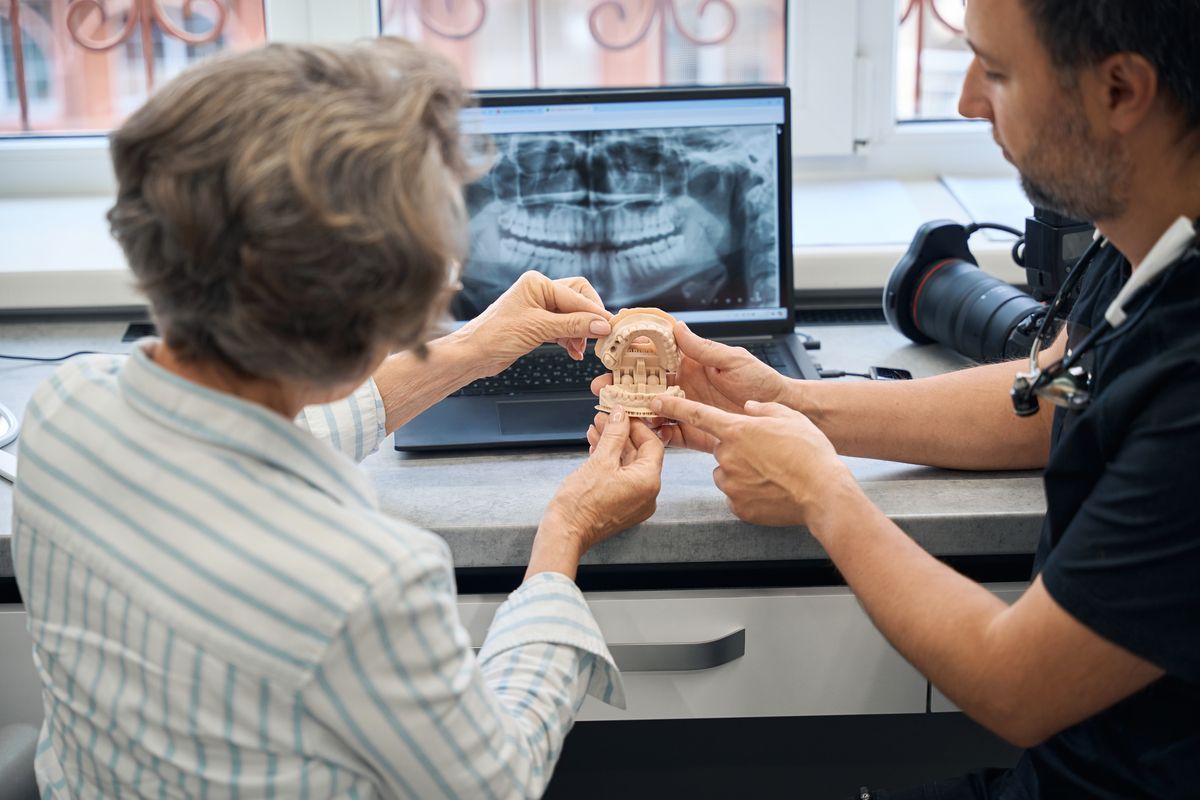
At your first appointment, your dentist will ask about your goals and examine your teeth, gums, and jaw. They may take X-rays to check your oral health and help determine which type of denture could work for you. The number of teeth you’re missing, the condition of your gums, and your jawbone health can all shape your options, as explained in the Cleveland Clinic’s guide to dentures.
This is also a good time to discuss any concerns, such as comfort, appearance, or whether you’d prefer a removable option. Your dentist can explain the steps involved, answer questions, and outline any treatment needed before dentures are made. You can review Bain Dental & Aesthetics Group’s dental services before your visit.
Take impressions, measure your bite, and choose tooth shape and shade
After you agree on a treatment plan, your dental team takes impressions of your mouth. These create a model that helps a dental lab make dentures to fit your gums. Your dentist may also measure your bite, or how your upper and lower teeth meet, to help the dentures feel balanced when you chew and speak.
You may be able to choose the shape and shade of the replacement teeth. Your dentist can help you consider options that suit your preferences and create a natural-looking result. Because dentures are custom-made, this step takes care and precision. The Cleveland Clinic’s denture guide notes that creating a comfortable fit may involve several visits.
Try in your dentures, get a final fitting, and schedule adjustments
Before your dentures are complete, you may try a sample or an initial version. Your dentist will check how they fit, how your bite feels, and whether you’re comfortable with their appearance. Speak up if you notice pressure, looseness, or a spot that feels uncomfortable. Your feedback helps the dental team identify changes to make before the final dentures are ready.
After you receive your dentures, follow-up appointments let your dentist check for areas that rub or need adjustment. It can take time for your mouth to adapt, and several adjustments may be needed, especially during the first few weeks. Don’t try to reshape dentures yourself. Instead, contact your dentist if discomfort continues or the fit feels off. Follow-up visits help your care team address these concerns safely.
Wear immediate dentures and heal after tooth removal
If you need teeth removed, your dentist may recommend immediate dentures. These are prepared before the extractions and placed afterward, so you can wear dentures while your mouth heals. Depending on your treatment plan, immediate dentures may be temporary or intended to be your final set. Your dentist can explain what to expect and how your plan may change as healing progresses.
Your gums and other tissues may change shape as they heal, which can affect how the dentures fit. Keep your follow-up appointments so your dentist can check your healing and determine whether adjustments or replacement dentures are needed. Contact the dental office if you have ongoing pain, swelling, or trouble wearing them. The Cleveland Clinic explains how immediate dentures are used after tooth removal.
How Can You Adjust to New Dentures?
New dentures can feel unfamiliar as your mouth gets used to them. A few simple habits can help you adjust to speaking and eating, but contact your dentist if discomfort continues or your dentures feel unstable.
Practice speaking and start with soft foods
Speaking and eating may take practice at first. Try reading aloud or repeating words that feel difficult. Your tongue and mouth will gradually get used to the dentures, and any temporary changes in speech often improve with practice.
Start meals with soft foods cut into small pieces. Chew slowly and use both sides of your mouth to help keep pressure even. As you feel more comfortable, add firmer foods a little at a time. Many people learn to eat comfortably with dentures, though the adjustment can take patience. The American Dental Association’s denture guide (https://www.mouthhealthy.org/all-topics-a-z/dentures) explains what you may experience as you get used to your appliance.
Manage extra saliva and mild soreness
Your mouth may produce more saliva than usual when you first wear dentures. Mild soreness or irritation can also occur while the tissues adapt. These symptoms may improve with time, but ongoing discomfort deserves attention.
Follow your dentist’s instructions for wearing and cleaning your dentures. If you notice a sore spot, don’t file or reshape the appliance yourself. Your dentist can check the fit and recommend next steps. Adjustment can take weeks or longer, and follow-up visits may be needed, as the Cleveland Clinic explains in its denture overview.
Ask for help with rubbing, looseness, or trouble eating
Contact your dentist if your dentures rub, feel loose, cause persistent soreness, or make eating difficult. It can help to describe where the appliance feels uncomfortable and when you notice the problem. Your dentist can examine your mouth and adjust the dentures if needed.
Avoid trying to repair or reshape them at home. Changes made without professional guidance could damage the appliance or affect its fit. Bain Dental & Aesthetics Group offers denture care and other dental services for patients in the area. A dental team can help determine whether an adjustment or another solution may improve comfort.
Give your mouth and facial muscles time to adapt
Getting used to dentures is a gradual process. Your cheeks, tongue, and facial muscles need time to adapt, and you may need several adjustments before the fit feels comfortable. Give yourself time, follow your dentist’s guidance, and remember that each person’s experience is different.
Keep recommended follow-up appointments, even if your dentures seem to be feeling better. Your dentist can check the fit as your mouth adjusts and address concerns before they interfere with daily activities. If you’re considering dentures or have questions about a new set, contact Bain Dental & Aesthetics Group to discuss your care options.
How Do You Care for Dentures?
A steady care routine helps keep your dentures clean and comfortable. It also helps you spot changes in fit or condition early. Handle dentures over a folded towel or a sink filled with water to reduce the chance of breakage if they slip from your hands. Follow your dentist’s instructions, especially if you have recently had teeth removed or received new dentures.
Brush daily with a soft brush and non-abrasive cleanser
Brush your dentures every day to remove food and plaque and help prevent stains. Rinse them first, then gently brush all surfaces with a soft-bristled denture brush and a non-abrasive cleanser. Avoid regular toothpaste unless your dentist says it’s suitable, since some formulas can scratch denture surfaces. Scratches may make dentures harder to clean. Take care around any clasps or attachments on partial dentures, and don’t bend them while brushing. The American Dental Association’s denture care guidance (https://www.mouthhealthy.org/all-topics-a-z/dentures) offers more cleaning tips. Ask your dentist which cleanser is right for your dentures if you’re unsure.
Soak dentures as directed and keep them away from hot water
When your dentures are out, store them according to your dentist’s instructions. Many dentures need to stay moist to help prevent them from drying out or changing shape. Depending on the type, you may need to place them in water or a denture-soaking solution. Follow the product directions, and use cool or lukewarm water rather than hot or boiling water, which can warp dentures. Rinse them thoroughly before putting them back in your mouth if you use a soaking solution. Store dentures in a clean container, away from children and pets, and avoid household cleaners unless your dentist recommends a specific product.
Clean your gums, tongue, and remaining teeth
A complete denture care routine includes cleaning your mouth, not just your dentures. After taking them out, gently brush your gums, the roof of your mouth, your cheeks, and your tongue with a soft toothbrush. This helps remove food and plaque and may help reduce irritation and bad breath. If you have remaining natural teeth, brush them twice a day and clean between them as your dentist recommends. Give extra attention to teeth that support a partial denture, since keeping them healthy helps support your oral health. For guidance on caring for your dentures and remaining teeth, talk with a dentist at Bain Dental & Aesthetics Group.
Remove dentures overnight unless your dentist advises otherwise
Taking dentures out at night gives your gums time to rest. The Cleveland Clinic recommends removing dentures at the end of the day and leaving them out for at least eight hours, unless your dentist advises otherwise. Clean them before storing them safely overnight. Your routine may be different if you’ve recently had teeth removed or received immediate dentures, so follow the instructions from your dental team during healing. If you’re unsure whether to sleep with your dentures in, or you notice discomfort when you remove them, ask your dentist for advice rather than changing your routine on your own. The Cleveland Clinic’s denture guidance explains why a nightly break can be helpful.
Schedule checkups, relines, repairs, and replacements as needed
Your mouth can change over time, which may affect how your dentures fit. Regular dental checkups give your dentist a chance to examine your mouth and assess whether your dentures need an adjustment, reline, repair, or replacement. Contact your dental office if your dentures crack, chip, feel loose, rub against your gums, or make chewing or speaking difficult. Don’t try to file, bend, or repair them yourself, since this can damage the dentures or make the fit worse. A dentist can identify the cause of the problem and recommend the right next step. Bain Dental & Aesthetics Group provides dental services for patients seeking help with denture fit and care.
When Should You See a Dentist About Dentures?
Dentures should feel stable and comfortable during everyday activities. If they start to hurt, slip, or change in fit, contact your dentist rather than waiting for your next routine checkup. A dental professional can examine your mouth and dentures, then recommend an adjustment, repair, or replacement.
Get help for persistent pain, sores, swelling, or changes in fit
Some tenderness may occur while you adjust to new dentures, but pain that continues, mouth sores, or swelling should be checked. Dentures that rub against your gums can irritate the tissue, and changes in your mouth over time may affect how they fit.
Call your dentist if discomfort makes it difficult to eat or speak, or if you notice a sore that does not improve. Avoid trying to tolerate ongoing irritation, since continued rubbing can make the area more uncomfortable. Your dentist can assess the fit and your oral tissues, then discuss the right next step. The Cleveland Clinic’s denture guidance recommends contacting a dentist if dentures stop fitting well.
Report cracks, damage, or slipping dentures
Make an appointment if your dentures crack, chip, pinch, or feel loose. Slipping while you eat or speak, or clicking sounds during conversation, can also signal that the fit needs attention. Even minor damage may affect how securely your dentures sit, so don’t wait for a small crack to worsen.
Your dentist can determine whether the dentures need a professional repair, adjustment, or replacement. Don’t wear an appliance that causes significant pain or appears likely to break. If you’re unsure what to do before your appointment, call the dental office for guidance. The Cleveland Clinic advises seeking care for dentures that are damaged, uncomfortable, or no longer fit securely.
Avoid adjusting or repairing dentures yourself
It may seem easy to file down a rough area, bend a clasp, or use household glue to fix a crack. Avoid making these changes yourself. Altering the shape can affect the fit, damage the denture, or irritate your mouth. Household adhesives are not designed for denture repair.
Instead, contact your dentist and explain what has changed. A dental professional can examine the appliance and your mouth before recommending a safe solution. Keep regular dental appointments even if you no longer have natural teeth. Checkups give your dental team a chance to assess your oral tissues, review your denture fit, and discuss whether your current appliance continues to meet your needs.
Ask about denture consultations in Bowdon, Carrollton, or Villa Rica
If your dentures feel unstable or make eating uncomfortable, ask your dentist about possible adjustments, relining, replacement, or implant-supported dentures. Implants can help retain dentures, but they are not the right choice for everyone. Your oral health, jawbone, goals, and budget all help shape the recommendation.
Bain Dental & Aesthetics Group serves patients in Bowdon, Carrollton, and Villa Rica. At a consultation, the team can assess your needs and explain relevant options, including dentures and other dental services.
Related Articles
• Implant-Supported Dentures vs Traditional Dentures | Bain Dental & Aesthetics Group 30108 30117 30180 (https://www.baindentalandaestheticsgroup.com/implant-supported-dentures-vs-traditional-dentures)
• Who is a Good Candidate for Implant-Supported Dentures? | Bowdon, Carrollton, Villa Rice, GA, 30108, 30117, 30180 (https://www.baindentalandaestheticsgroup.com/who-is-a-good-candidate-for-implant-supported-dentures)
• Pros and Cons of Dental Implant vs Dentures (https://www.baindentalandaestheticsgroup.com/pros-and-cons-of-dental-implant-vs-dentures)
• Your Guide to Dental Implants (https://www.baindentalandaestheticsgroup.com/your-guide-to-dental-implants)
• Replacing Multiple Missing Teeth With Implants | Bain Dental & Aesthetics Group (https://www.baindentalandaestheticsgroup.com/replacing-multiple-missing-teeth-with-implants)
Frequently Asked Questions
How long does it take to get used to new dentures?\
It varies from person to person. Speaking, chewing, and keeping dentures comfortable may take practice, and follow-up adjustments can help during the transition. Contact your dentist if pain or trouble eating continues.
Can I wear dentures while I sleep?\
Many people remove removable dentures overnight to give their gums a rest. Your dentist may recommend a different routine, especially while your mouth is healing after extractions, so follow their instructions.
What should I do if my dentures become loose?\
Contact your dentist to have the fit checked. Your mouth can change over time, and an adjustment or reline may help. Don’t file, bend, or repair dentures yourself.
Are implant-supported dentures removable?\
Some attach to implants but can be taken out by the wearer for cleaning. Others stay in place and must be removed by a dentist. Ask which design is being recommended and how to clean it.
Where can I discuss denture options near Bowdon, Carrollton, or Villa Rica?\
Bain Dental & Aesthetics Group serves patients in all three communities. A consultation can help you review denture and implant options based on your oral health, preferences, and budget.