Does Dental Insurance Cover Implants? What Patients Should Know
Does dental insurance cover implants? Learn how exclusions, annual limits, treatment stages, and pre-treatment reviews may affect your estimate.

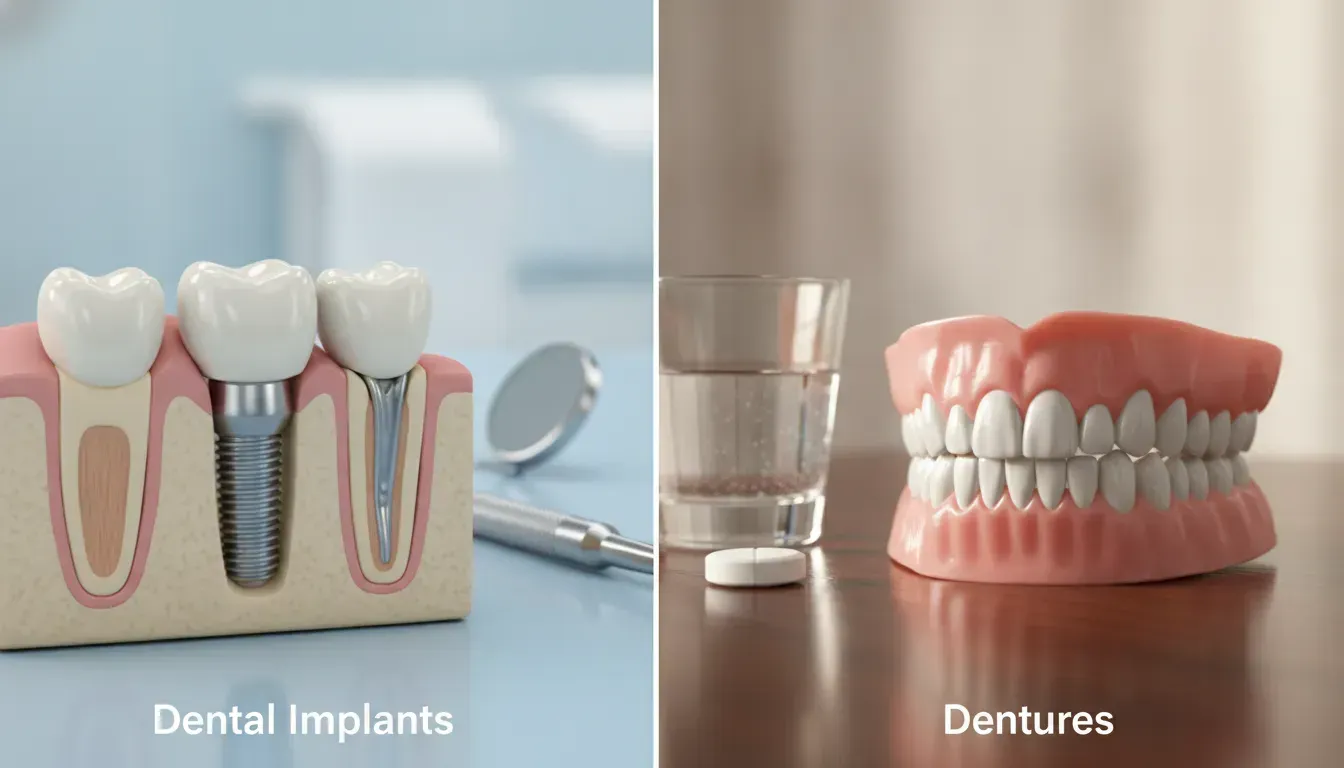
If you are asking, “does dental insurance cover implants,” the most accurate answer is: it depends on your specific plan, the services in your proposed treatment, and the policy limits that apply when care is provided. Some plans may provide benefits for certain implant-related services, while other plans may exclude implants or limit payment. Before making financial plans, compare an itemized treatment estimate with your current plan documents and ask the insurer to explain its response in writing.
Call to discuss an implant consultation
Does dental insurance cover implants in every plan?
No. There is no single coverage answer that applies to every dental insurance policy. Plans use their own definitions, exclusions, limitations, deductibles, annual maximums, waiting periods, and network rules. Even when a plan includes a benefit related to an implant-supported restoration, it may not pay for every step or the full fee.
For example, a plan might address a crown but treat implant placement separately. Another plan might exclude an implant, apply a missing-tooth limitation, or reduce the amount paid because of an annual maximum. A plan’s summary may also use broad categories that do not answer how a particular procedure will be handled. That is why “implants” should not be treated as one line item when you review benefits.
Coverage and treatment suitability are separate questions. Insurance information does not determine whether an implant is appropriate for you. A dental professional evaluates your oral health, examines the area, reviews any needed imaging, and discusses options based on your circumstances. Bain Dental & Aesthetics Group serves Bowdon, Carrollton, Villa Rica, and nearby West Georgia communities. Its dental services overview describes the practice’s broad care offerings.
For general background, HealthCare.gov’s overview of dental coverage explains that dental benefits can differ by age and plan structure. It is not a statement about your dental policy and does not confirm implant benefits. Your plan documents, the insurer’s benefit department, and the claim decision are the relevant sources for your individual coverage.
Which parts of implant treatment might a plan consider?
Implant treatment can involve several distinct services rather than one procedure. Depending on your needs, a proposed plan may include an examination, diagnostic imaging, removal of a tooth, implant placement, an abutment, a crown or another restoration, and follow-up visits. Preparatory care, such as treatment for existing oral health concerns or a bone-grafting procedure, may also be proposed when clinically appropriate.
The dental team can explain which steps are being considered and why. The insurer can explain how its policy classifies and processes each service. Do not assume that all items will be covered, excluded, or paid at the same percentage. A restoration may be treated differently from surgical placement. A diagnostic service may have a different benefit category from a surgical service. A replacement limitation may apply to one component but not another.
Ask for an itemized estimate that separates the proposed services. If procedure descriptions or codes are available, include them in your questions to the insurer. Codes can help the representative review the same information that appears on the estimate, but a code by itself does not guarantee payment. The insurer still applies the policy terms, eligibility rules, allowed amount, and claim-processing requirements.
A simple review worksheet can keep the information organized:
- Proposed service: Write each step exactly as it appears on the estimate, such as placement, abutment, restoration, imaging, or follow-up.
- Clinical reason: Note what the dental team says the step is intended to address and whether it depends on examination or imaging findings.
- Insurer response: Record whether the representative describes the service as covered, excluded, limited, pending review, or not found in the available information.
- Plan calculation: Note the deductible, coinsurance, allowed fee, annual maximum, and any remaining benefit that the representative discusses.
- Estimated patient portion: Record the office’s estimate and the assumptions behind it, rather than treating it as a guaranteed final amount.
- Open question: Flag anything that needs a written answer, such as a waiting period, missing-tooth limitation, or timing issue.
This format helps reveal partial answers. If the insurer addresses the crown but not implant placement, you have a specific unanswered question. If the office estimate assumes a benefit that the insurer cannot confirm, you can ask both sides to clarify the difference before proceeding.
What plan terms can affect implant benefits?
Read your current plan documents and ask the insurer to explain unfamiliar language. The following terms are useful prompts for a conversation, not predictions about your coverage:
- Exclusion: Check whether the policy excludes implants, a specific component, related surgery, or a service connected with a tooth that was missing before coverage began.
- Missing-tooth limitation: Ask whether the plan limits benefits when the tooth was lost before the policy started or before a required date.
- Annual maximum: Find out the plan’s maximum benefit for the plan year and how much has already been used. A service may qualify under the policy but still receive little or no payment after the maximum is reached.
- Deductible: Confirm what amount must be paid before benefits apply and whether the deductible is individual or family-based.
- Coinsurance: Ask what share of the allowed fee the plan may pay and what share could remain your responsibility.
- Allowed amount: A percentage may apply to an allowed fee rather than the office’s full charge. Ask how the plan defines that amount.
- Waiting period: Confirm whether a waiting period applies to the services being considered and whether an exception or waiver is available under your plan.
- Frequency or replacement limit: Check for restrictions on related crowns, bridges, dentures, or replacement services.
- Network status: Ask whether the provider’s network status changes the allowed amount, reimbursement, or estimated patient portion.
- Pre-treatment review: Find out whether the insurer accepts a proposed treatment for review before care starts and whether the response is an estimate or a binding determination.
- Plan-year timing: Ask how benefits are applied if stages of treatment occur in different plan years and whether the annual maximum resets.
These terms can interact. A benefit might be available in principle but reduced by the remaining annual maximum or an allowed-fee calculation. A waiting period or exclusion could change the result entirely. Treatment scheduled across two plan years may involve two maximums, but it may also involve different claim dates, benefit rules, or changes to your plan. Ask the insurer to explain the actual timing rather than assuming that dividing care automatically creates a financial advantage.
How can you check your coverage before treatment?
A careful coverage check cannot remove every uncertainty, but it can help you replace assumptions with documented questions and answers. Work through these steps in order.
- Gather current plan documents. Locate the summary of benefits, certificate or evidence of coverage, exclusions, limitations, deductible, annual maximum, waiting-period rules, and network information. Verify that the materials apply to your current plan and not a prior employer or plan year.
- Confirm eligibility. Ask whether you are currently eligible for benefits and whether the proposed date of care falls within the active coverage period. If your coverage recently changed, ask which plan governs each service.
- Request an itemized estimate. Ask the dental team to explain the proposed phases and include procedure descriptions or codes when available. Clarify which steps are recommended now and which could depend on examination or imaging findings.
- Contact the insurer. Use the member-services number on your insurance card. Ask about each service separately and give the exact descriptions from the estimate. Record the date, representative’s name or identification number if provided, reference number, and answer.
- Ask about pre-treatment review. Confirm what documents the insurer needs, who submits them, how long review may take, and whether the response is an estimate rather than a guarantee of payment.
- Compare the response with the estimate. Review the expected benefit, allowed amount, deductible, coinsurance, remaining maximum, and expected patient portion. Look for services that were omitted from the insurer’s response.
- Ask about claim timing. If treatment is staged, ask how the plan assigns dates of service and applies benefits across plan years. Do not assume the date of the consultation is the date used for every later claim.
- Recheck before relying on the estimate. Updated plan balances, treatment details, eligibility, dates, or submitted records may change the calculation. Confirm the latest information before making a final financial decision.
Keep copies of the treatment estimate, plan documents, pre-treatment response, correspondence, and notes from calls. If you receive only a general answer by phone, ask how to obtain the relevant policy language or an explanation in writing. A phone conversation can clarify a question, but the policy terms and claim processing govern the final outcome.
What should you ask the insurance company?
“Are implants covered?” is a useful opening question, but it is too broad to produce a complete answer. Specific questions help the representative review your proposed care:
- Does my plan address implant placement, the abutment, and the final restoration separately?
- Are any proposed services excluded, or are they subject to a missing-tooth limitation?
- Does a deductible apply to each service, and how much of it remains?
- What percentage applies to each service, and is that percentage based on the office fee or an allowed amount?
- What is my annual maximum, and how much remains for this plan year?
- Do waiting periods, frequency limits, replacement rules, or age restrictions apply?
- Does network status affect the estimate or the amount I may owe?
- Can you review this treatment plan before care begins, and what records or imaging do you need?
- Is the response a benefit estimate, a pre-treatment determination, or a guarantee? What circumstances could change it?
- If treatment takes place in stages, how are benefits handled across plan years?
- When will an explanation of benefits be issued after a claim is processed?
- If a claim is denied, what is the process and deadline to request review or appeal?
When possible, ask the representative to use the exact procedure descriptions on your estimate. If a detail cannot be confirmed, ask which plan document or department can clarify it. This distinguishes a general summary from a response about your specific treatment. Write down what the representative says, but avoid treating a verbal estimate as a promise.
What should you ask the dental team?
Your dental team can explain the clinical plan and the office estimate. The insurer determines benefits under your policy. A productive appointment can address both the care questions and the information you need for a coverage review:
- What is included in each proposed phase?
- Which steps are recommended based on the current examination, and which could change after imaging or other findings?
- What does each line on the written estimate represent?
- Which services are not included in the estimate?
- Can the office submit information for a pre-treatment review, and what records would be sent?
- What assumptions were used to estimate my portion if the insurer pays less than expected?
- Would a change in treatment sequence alter the estimate, and would it still be clinically appropriate?
- What payment approaches can I ask about if there is a remaining balance?
- Who should I contact if the insurer’s response differs from the office estimate?
Bain Dental’s first-visit information can help you prepare for a conversation with the practice. Bring your insurance card, relevant plan information, and a written list of questions. Ask for a clear explanation of the proposed services and estimate. The practice can discuss the care plan; only the insurer can interpret your plan’s benefit terms.
How do a benefit estimate, a pre-treatment review, and a claim differ?
These terms are sometimes used casually, but they can describe different points in the process. A benefit estimate is an expectation based on the information available at that time. It can change if eligibility, plan balances, procedure details, allowed fees, or submitted records differ.
A pre-treatment review is an insurer’s review of proposed care before treatment begins, when the plan offers that process. It may help identify exclusions, limitations, or missing information. Ask whether the response is advisory, binding, or subject to conditions. Do not assume that a pre-treatment response guarantees the amount that will be paid after a claim is filed.
A claim is submitted for services that were provided. The insurer processes the claim under the policy in effect for the date of service and sends an explanation of benefits or another determination. The final payment can depend on what was submitted, eligibility, the remaining annual maximum, the allowed amount, and the plan language. This is why it is important to compare the initial estimate with the later explanation of benefits.
How can you compare possible financial scenarios?
A written comparison can help you understand uncertainty without pretending that an estimate is a final bill. Use the office’s itemized fee and the insurer’s information to outline several scenarios. For example, you might compare:
- Plan benefit applies as estimated: Record the expected insurer payment, deductible, coinsurance, and amount that may remain.
- One component is excluded: Identify which service is excluded and add that service’s estimated fee to the remaining responsibility.
- Annual maximum is reached: Note how much of the expected benefit may be unavailable after the remaining maximum is applied.
- Allowed amount is lower than the office fee: Ask how the difference is handled and whether network status affects it.
- Treatment timing changes: Ask how the estimate could differ if services occur in another plan year, without changing timing solely for financial reasons.
These are planning scenarios, not predictions. The office may not be able to calculate the insurer’s final payment, and the insurer may not know every clinical detail until records are submitted. Still, comparing scenarios helps you identify the question that matters most. If the largest uncertainty is an exclusion, request the policy language. If it is the annual maximum, request the current balance. If it is the treatment sequence, ask both the dental team and insurer how dates are handled.
Do not compare only the headline percentage. A plan that lists a percentage for a category may still apply a deductible, allowed-fee calculation, annual maximum, waiting period, or exclusion. A lower percentage with fewer restrictions is not automatically better, and a higher percentage does not necessarily mean a lower patient balance.
How can you plan if insurance pays less than expected?
Start by identifying the difference between the proposed fee and the estimated insurance benefit. Ask what the estimate includes, what assumptions it makes, and how it could change if the insurer applies a limitation or exclusion. Then discuss possible ways to manage the remaining amount with the dental team.
Bain Dental offers an in-house dental savings plan and treatment financing options. These are different from insurance and are not a promise of coverage, a particular price, financing approval, or eligibility. Ask the practice about current terms, eligibility, and whether an option applies to your situation. Review written terms carefully, including what is and is not included, before deciding.
If your plan includes a savings arrangement, ask how it works with the proposed care and whether it can be combined with insurance. Do not assume that a savings plan pays claims or replaces insurance. If you are considering financing, ask about the application process, repayment terms, and the total responsibility described in the agreement. The practice can explain available options, while the financing provider’s terms govern approval and repayment.
If the timing of care is flexible, ask whether the clinical plan can be discussed in phases and whether a plan year affects the estimate. Do not delay care your clinician considers time-sensitive solely to try to maximize benefits. The appropriate timing depends on your health needs as well as financial considerations. A staged plan should be based on clinical guidance, not only on an attempt to use a benefit maximum.
For background on possible treatment steps, Bain Dental’s guide to dental implants can help you prepare questions for a consultation. It does not replace an individualized assessment or an insurer’s review of your policy.
What if the insurer denies a claim?
First, read the explanation of benefits or denial notice from beginning to end. Identify the reason given, the plan language or limitation cited, the service involved, and the deadline for an appeal or review request. A denial may relate to an exclusion, missing information, eligibility, timing, coding, an annual maximum, or another plan rule. Ask the insurer to explain the decision in plain language and tell you what documentation it needs.
If a factual detail is wrong, ask how to correct it. For example, you may need to clarify a date of service, submit a missing record, or ask the office to review information that was transmitted. The dental office may be able to provide records or clarification, but it cannot change your policy terms or guarantee that an appeal will be approved.
Keep copies of the estimate, claim, denial, correspondence, and appeal materials. Follow the insurer’s submission instructions and deadlines. Ask whether the appeal must be submitted by mail, through a portal, or by another method, and keep proof of submission when available. If a proposed service is not covered, ask your dental team whether there are other clinically appropriate options to discuss. Before proceeding, make sure you understand the expected cost and proposed care.
What common assumptions should you avoid?
Several simple assumptions can make implant planning confusing:
- “My plan covers crowns, so it covers implants.” A crown benefit does not establish coverage for implant placement, an abutment, or every part of an implant-supported restoration.
- “The percentage in the summary is what I will receive.” The percentage may be applied after a deductible and to an allowed amount, subject to limits and exclusions.
- “The estimate is a guarantee.” Estimates and pre-treatment responses may change when eligibility, plan balances, submitted information, or claim details change.
- “A treatment sequence can be changed for insurance alone.” Timing should be discussed with the dental team because clinical needs matter.
- “A denial means there are no questions left to ask.” The notice may identify missing records, an appeal right, or a distinction between different services.
- “A dental savings plan is the same as insurance.” These are different arrangements with different terms and responsibilities.
Replacing assumptions with specific questions is the most useful next step. Ask for the proposed services in writing, ask the insurer to address them one at a time, and compare the answers before making a decision.
Frequently asked questions about dental insurance and implants
Will insurance cover an implant if it covers crowns?
Not necessarily. A crown benefit does not establish coverage for implant placement or every part of an implant-supported restoration. Ask the insurer about the implant, abutment, restoration, and any related services separately, using the treatment estimate.
Can I know exactly what insurance will pay before treatment?
You can request a pre-treatment estimate or review if your plan offers one, but ask whether the response is binding. Final payment can depend on plan terms, eligibility, remaining benefits, allowed amounts, the date of service, and the information submitted with the claim.
Can an annual maximum limit implant benefits?
It may affect how much the plan pays during a plan year. Ask for the maximum, the amount already used, and how the insurer applies remaining benefits to each proposed service. If treatment crosses plan years, ask how dates and maximums are handled.
Does a missing-tooth rule always prevent benefits?
Not always, but a missing-tooth limitation may affect a plan’s treatment of a tooth that was lost before coverage began. Read the policy language and ask the insurer to apply it to your situation rather than relying on a general summary.
Is a dental savings plan the same as dental insurance?
No. They are different arrangements with different terms. Ask the practice for current savings-plan details and compare those terms with your policy without assuming one replaces the other or guarantees a particular amount of savings.
How can you prepare for an implant coverage conversation?
Before the appointment or insurance call, gather your insurance card, current plan documents, a list of medications or health information requested by the practice, and the questions you want answered. Bring the itemized estimate if you have one. If a family member helps with financial decisions, consider having that person present or sharing the written information afterward.
During the conversation, separate three topics: the clinical reason for each proposed step, the office’s fee for that step, and the insurer’s handling of that step. Taking notes under those three headings can prevent a coverage answer from being mistaken for a clinical recommendation or a clinical recommendation from being mistaken for a payment guarantee.
Afterward, review your notes and identify any unresolved item. You may need a second call to the insurer, a written policy explanation, a revised estimate, or a follow-up discussion with the dental team. A clear process is more reliable than making a decision based on one general statement about implants.
Get a clear picture before deciding
Whether dental insurance covers implants depends on your policy and the details of your proposed care. Verify benefits with your insurer, request an itemized estimate, ask about each treatment stage, and discuss clinical questions with a dental professional. Bain Dental & Aesthetics Group serves patients in Bowdon, Carrollton, Villa Rica, and nearby West Georgia communities.
Call Bain Dental to discuss your questions
Taking time to understand both the treatment plan and the policy terms can help you make a more informed decision about your next step.