Dental Savings Plan vs Dental Insurance: Which Is Better?
Compare dental savings plan vs dental insurance to find the best fit for your needs, budget, and dental care priorities. Get clear, actionable guidance here.
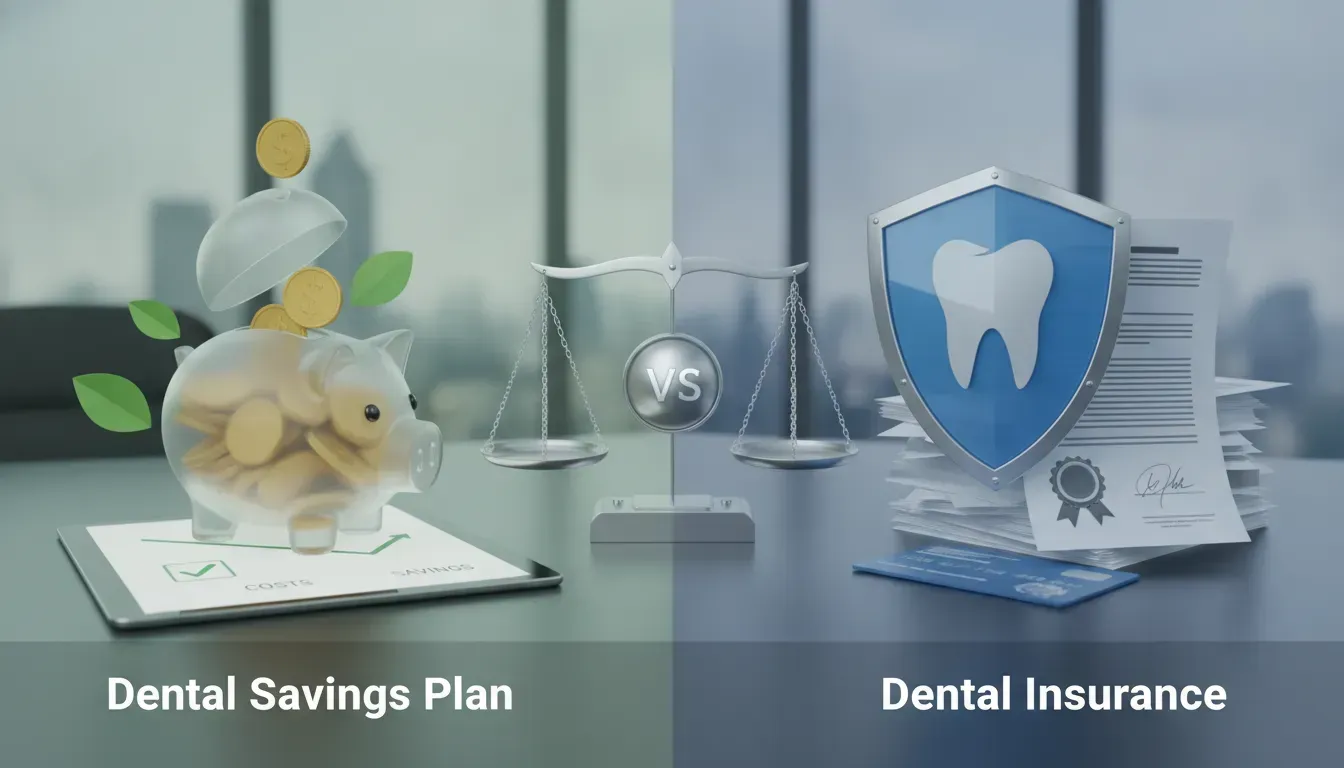
Dental care can be easier to plan when you understand how your payment options work. A dental savings plan vs dental insurance comparison can show you more than the advertised fee or premium. It can help you see how each option handles deductibles, claims, waiting periods, annual limits, discounted fees, and treatment exclusions. A savings plan may suit patients who want reduced fees and a simpler payment process. Insurance may be useful for households expecting covered treatment and willing to follow policy requirements. Before enrolling, list the care you may need over the next year and ask for a written estimate. Bain’s team can explain its in-house dental savings plan, financing options, and available services.
Key Takeaways
What Is a Dental Savings Plan?
A dental savings plan is a membership program that gives you access to reduced fees at a participating dental practice. Instead of paying an insurance company to help cover part of your treatment, you pay a membership fee and receive a set discount on eligible services. You then pay the remaining discounted balance directly to the dental office.
This option may work well for people without employer-sponsored dental insurance, patients who want a simpler way to manage routine care, or families planning several appointments. It can also help make larger treatment plans more predictable, although your total cost will depend on the services you need.
Bain Dental & Aesthetics Group offers an in-house dental savings plan for eligible patients and families in the communities it serves. Since plan details vary, ask the Bain team about membership fees, eligible household members, included services, and available discounts. Reviewing those details alongside your expected treatment can help you decide whether a savings plan fits your needs.
Pay a membership fee for set discounts
With a dental savings plan, you pay a membership fee based on the plan’s schedule. The fee may be monthly or annual. In return, you receive a predetermined discount on qualifying dental services. The discount applies when you receive care, so your overall cost depends on the treatment you need and the plan’s fee schedule.
This is different from dental insurance, which typically involves premiums and coverage rules that determine how much an insurer pays toward specific services. A savings plan does not reimburse you after treatment. Instead, it gives you access to an agreed-upon reduced fee. The Mutual of Omaha comparison of dental savings plans and insurance provides additional information about this distinction.
Before enrolling, review the membership price, renewal terms, cancellation policy, and eligible household members. Ask whether the plan has an enrollment period or other requirements that could affect when you can use it.
Pay participating dentists discounted rates
After joining, you pay the participating dental practice’s discounted rate at the time of service. Depending on the plan, discounts may apply to exams, cleanings, fillings, crowns, extractions, implants, or cosmetic treatments. The amount saved can vary by procedure, so request a current fee schedule before estimating your final cost.
A savings plan generally applies only when you receive care from a participating provider. If you plan to visit Bain Dental & Aesthetics Group, ask whether the in-house plan applies at the Bowdon, Carrollton, and Villa Rica locations. You can also review Bain’s dental services to identify the care you may need.
For larger treatment plans, request a written estimate that shows the regular fee, applicable discount, and amount you are expected to pay. This gives you a clearer view of your costs before treatment begins.
Get immediate access without typical waiting periods
Many dental savings plans let members use eligible discounts soon after enrollment. This can be useful if you need a cleaning, filling, extraction, or another procedure before a traditional insurance policy would cover certain services. Dental insurance may include waiting periods for basic or major treatment, while a savings plan often applies its discount once the membership becomes active.
Immediate access does not mean every service is automatically included. The plan may have an effective date, enrollment requirements, or rules about which appointments qualify. Confirm when your membership starts and whether your appointment must take place after that date.
If you have tooth pain, swelling, a broken tooth, or another urgent concern, contact the dental office promptly. The Bain team can discuss appointment availability, whether the savings plan applies, and payment options for the care you need.
Skip claims, deductibles, and reimbursements
A dental savings plan typically does not require you to file a claim or wait for an insurance company to reimburse you. The participating practice applies the eligible discount to your bill, and you pay the remaining balance. This may make payment more straightforward when you are comparing costs for several visits or procedures.
You also generally do not pay an insurance deductible before receiving the plan’s discount. However, you remain responsible for the discounted balance unless another payment arrangement applies. A savings plan does not make dental care free, and it does not guarantee that every procedure will receive a discount.
Ask whether payment is due at each visit and whether financing is available for larger balances. Bain Dental & Aesthetics Group provides flexible financing options that may help patients plan for treatment costs that remain after a discount is applied.
Review participating providers, services, and terms
Before joining, confirm that your preferred dentist participates in the plan. If you regularly visit Bain, ask whether the in-house plan applies to your chosen location and the services you expect to receive. Review the discount schedule for preventive visits, gum therapy, fillings, root canals, crowns, oral surgery, implants, dentures, braces, and clear aligner treatment.
Cosmetic procedures may have separate rates or exclusions, so do not assume that every service receives the same discount. Ask whether the plan applies to emergency appointments, specialist care, or treatment provided by a board-certified oral and maxillofacial surgeon.
Also review the membership period, renewal date, family eligibility, appointment requirements, payment rules, and services excluded from the plan. Confirming these details before enrolling can help you compare the plan with your expected dental needs and avoid unexpected charges.
Understand why savings plans aren’t insurance
A dental savings plan provides reduced fees, not insurance coverage. It does not transfer financial responsibility to an insurer, pay a percentage of your treatment, or guarantee payment for a procedure. It may not have an annual maximum in the same way dental insurance does, but it can still include service restrictions, provider requirements, and other limits.
This distinction matters when comparing your options. Insurance may pay part of covered preventive, basic, or major services after you meet its requirements. A savings plan reduces the participating provider’s fee, and you pay the remaining balance. Delta Dental explains the difference between dental insurance and discount plans, including how discounts differ from insurer-paid benefits.
When reviewing a plan, consider your preferred dentist, expected treatment, household needs, and available budget. Ask for the plan’s written terms and a treatment estimate so you can compare the actual cost of care, not just the membership price.
What Is Dental Insurance?
Dental insurance is a coverage plan that helps pay for eligible dental services. You usually pay a recurring premium and share the cost of treatment with the insurance company. Your portion depends on the plan, the dentist you visit, the service you need, and whether you have met your deductible or reached your annual maximum.
Unlike a dental savings plan, dental insurance may involve claims, waiting periods, coverage limits, and approval requirements. Before enrolling, read the plan’s benefits summary and confirm that your preferred dentist participates. The American Dental Association’s guide to dental insurance explains common terms and plan features that can affect your costs.
Pay premiums, deductibles, copayments, and coinsurance
A dental insurance plan usually includes a premium, which is the amount you pay each month or year to keep coverage active. You may also have a deductible, which is the amount you pay before the plan begins sharing costs for certain services. Deductibles may apply to each person on a family plan.
After you meet the deductible, you may owe a copayment, which is a fixed fee for a service, or coinsurance, which is a percentage of the treatment cost. Your final amount may also depend on the dentist’s contracted fee and the insurer’s allowed amount. Ask Bain Dental & Aesthetics Group for a written treatment estimate so you can review your expected costs before care begins.
Cover preventive, basic, and major services
Dental insurance often divides services into three categories: preventive, basic, and major. Preventive care may include exams, cleanings, and X-rays. Basic care may include fillings, simple extractions, and treatment for dental infections. Major care may include crowns, bridges, root canals, dentures, implants, or oral surgery.
Plans do not define these categories in exactly the same way. One policy may cover preventive care at a higher percentage than major treatment, while another may place limits on specific procedures. Review your benefits schedule before scheduling care, then compare it with the dental services offered by Bain, including preventive, restorative, emergency, implant, denture, and oral surgery services.
Choose employer, individual, or family plans
You may receive dental insurance through an employer, purchase an individual plan, or choose family coverage for a spouse and eligible dependent children. Employer-sponsored plans may include a contribution toward your premium, but they can limit your choice of insurer, providers, and benefits.
An individual plan may offer more flexibility, although you generally pay the full premium yourself. Family plans combine coverage under one policy, but each family member may have separate deductibles, frequency limits, or annual maximums. Compare the yearly premium, covered services, orthodontic benefits, waiting periods, and participating dentists, not just the monthly price. If you do not have employer-sponsored coverage, ask your dental office about an in-house savings plan or other payment options.
Compare in-network and out-of-network benefits
Insurance companies often create provider networks. Dentists in these networks agree to contracted fees, which may reduce your share of the cost. Out-of-network care may still receive benefits, but the plan could pay a smaller percentage or calculate its contribution using a lower allowed amount.
Some policies offer no out-of-network benefits. Others leave you responsible for the difference between the dentist’s fee and the insurer’s allowed amount. This may be called balance billing. Before an appointment, confirm the provider’s network status, the office location, and your plan’s out-of-network rules. Bain welcomes patients at its Bowdon, Carrollton, and Villa Rica locations.
Submit claims and request preauthorization or estimates
Many dental offices submit insurance claims for patients, but you remain responsible for understanding your benefits and paying amounts the insurer does not cover. A claim generally includes the treatment codes, dentist’s fee, and details about the care provided. The insurance company reviews this information and sends an explanation of benefits that shows how it calculated payment.
For costly procedures, your dentist may request a predetermination, also called a pretreatment estimate or preauthorization. This can show the expected insurance payment before treatment begins. It is not always a guarantee of coverage, since the final decision may depend on your eligibility, remaining benefits, plan exclusions, and the procedure completed. Ask whether your planned treatment should receive a written estimate.
Check waiting periods, annual maximums, and frequency limits
A waiting period is the time you must remain enrolled before the plan covers certain services. Preventive care may be available immediately, while basic or major procedures may require several months before benefits begin. Some plans waive waiting periods for people with qualifying prior coverage, but this depends on the policy.
An annual maximum is the most the insurer will pay toward covered dental care during the plan year. After you reach that amount, you generally pay the remaining eligible costs until benefits reset. Frequency limits may restrict how often you receive cleanings, X-rays, periodontal treatment, or other services. The Delta Dental comparison of insurance and discount plans provides additional detail about these common restrictions.
Review exclusions, missing-tooth clauses, and noncovered care
Every dental insurance policy lists services it does not cover or covers only under specific conditions. Exclusions may apply to cosmetic procedures, replacement appliances, orthodontic treatment, or care the insurer considers unnecessary. Some policies also exclude treatment for a tooth that was missing before coverage began. This restriction is known as a missing-tooth clause and may affect bridges, dentures, or implants.
A plan may limit coverage for replacement crowns, appliances, or treatment completed soon after enrollment. It may also require clinical records, supporting documentation, or insurer review before major care receives benefits. Read the exclusions section carefully and ask questions before treatment. Your dentist can explain the recommended care, while your insurer can confirm how your specific policy may process the claim. Review this overview of dental insurance limitations when comparing policies.
Compare Dental Savings Plans and Insurance
Dental savings plans and dental insurance can both lower the cost of dental care, but they do so in different ways. A savings plan gives members access to predetermined discounts at participating dental practices. Insurance helps pay for covered services according to the policy’s rules, which may include deductibles, copayments, coinsurance, waiting periods, and annual maximums.
The better fit depends on the care you expect, the dentists you want to see, and how you prefer to pay. A savings plan may offer a simpler option for people who want reduced fees without submitting claims. Insurance may make sense for households that expect covered services and want the insurer to pay part of the cost. Neither option automatically makes every procedure affordable, so reviewing the details matters.
Before choosing, list the services you may need over the next year. Routine cleanings, fillings, emergency treatment, crowns, root canals, implants, dentures, braces, and clear aligners may all have different prices or coverage rules. You can also review Bain Dental & Aesthetics Group’s dental services to identify the types of care that may be relevant to your household.
Compare discounted fees with insurer-paid benefits
A dental savings plan does not pay claims or reimburse you after an appointment. Instead, you pay a membership fee and receive reduced prices for eligible services at participating dental practices. The plan may list a lower fee for an exam, filling, crown, extraction, or another procedure. You remain responsible for the full discounted amount.
Dental insurance works differently. The insurer pays part of the cost for covered services after the plan’s requirements are met. The policy may pay a percentage of preventive, basic, or major care, while you pay the rest. However, the insurer’s portion can depend on the procedure, provider, deductible, annual maximum, and other policy rules.
Read the plan documents before estimating your savings. A service described as covered may still leave you with a balance. HealthInsurance.org explains the difference between reduced fees through a discount plan and insurer-paid benefits through dental insurance.
Compare membership fees with monthly premiums
A dental savings plan usually requires a membership fee for a specific period, often one year. That fee gives you access to the plan’s discount schedule, but it does not pay for treatment. You pay the participating dentist directly whenever you receive care.
Dental insurance generally requires recurring premiums, which may be paid monthly, quarterly, or annually. Individual and family premiums vary based on the insurer, location, coverage level, and number of people enrolled. Some employers pay part of the premium, which can change the overall value of an insurance plan.
When comparing prices, avoid looking only at the monthly amount. Add the full membership fee or yearly premiums to the estimated cost of the care you expect. Then include deductibles, copayments, coinsurance, and services the plan does not cover. A lower monthly payment may not produce the lowest total cost if you need extensive treatment.
Pay at visits instead of filing claims
A savings plan typically keeps the payment process simple. The dental office applies the listed discount, and you pay the remaining balance at the visit or under the practice’s payment policy. There is no insurer claim to submit and no reimbursement to wait for.
Insurance may require the dental office or patient to submit a claim. The insurer reviews the procedure, checks the policy rules, and determines the eligible benefit. Payment may go to the dental practice, with you responsible for any remaining balance. Claims can take time to process, particularly when the treatment requires additional documentation.
Ask how a dental practice handles estimates, claims, and patient balances before treatment begins. You can also request a written estimate for major care. At Bain Dental & Aesthetics Group, discussing your treatment plan and payment expectations with the team can help you understand what you may owe before moving forward.
Get immediate discounts instead of waiting for benefits
Savings plans generally provide access to their listed discounts once your membership becomes active. This may help if you need dental care soon or recently lost employer-sponsored coverage. Confirm the effective date before scheduling treatment, since some plans do not begin immediately after enrollment.
Dental insurance may include waiting periods for basic or major services. A policy might cover preventive care right away but require you to wait before receiving benefits for fillings, crowns, root canals, or oral surgery. Some plans waive waiting periods for people who had qualifying prior coverage, but the rules vary.
If you need immediate treatment, ask whether the plan covers that service now and how much you would pay. Do not assume that purchasing insurance before an appointment means every upcoming procedure will receive benefits. Review the policy or ask the insurer for a written explanation of coverage.
Avoid typical annual maximums instead of accepting benefit caps
Many dental insurance plans have an annual maximum, which is the highest amount the insurer will pay during the plan year. Once the plan reaches that limit, you generally pay the full allowed cost of additional treatment, even if the procedure otherwise qualifies for coverage.
Dental savings plans generally do not have an annual benefit maximum because they do not pay claims. You may continue receiving the listed discounts while your membership is active and the dental practice participates. This can be useful for people who expect several appointments in one plan year.
However, the absence of an annual maximum does not mean unlimited free care. You still pay every discounted balance, and major treatment can remain expensive. Compare the reduced fees with the insurance benefit limit, your expected treatment, and the money you have available for dental care.
Use participating dentists instead of insurance networks
A savings plan only applies when you visit a dental practice that participates in that specific program. A practice may accept one savings plan but not another, so confirm participation before enrolling. Also ask whether every dentist and service at the practice follows the plan’s discount schedule.
Dental insurance uses provider networks to determine negotiated fees and benefit levels. In-network care often costs less, while out-of-network treatment may have a higher patient balance or reduced coverage. Some insurance policies offer no out-of-network benefits for certain services.
If you want to keep your preferred dentist, check participation first. Patients in west Georgia can contact Bain Dental & Aesthetics Group’s Bowdon location, Carrollton location, or Villa Rica location to discuss available care and payment options.
Review discount schedules instead of covered-service lists
A savings plan’s discount schedule shows the reduced fee for each eligible service. Review the procedures you may need, including exams, cleanings, X-rays, fillings, extractions, crowns, dentures, implants, and emergency visits. Check whether consultations, specialist care, and additional materials have separate fees.
An insurance policy lists covered services, but coverage does not always mean the insurer pays the entire bill. The plan may cover a percentage, apply a negotiated fee, limit how often you can receive a service, or exclude it entirely. Some policies also classify procedures differently from the way your dentist describes them.
Compare specific treatments rather than relying on broad labels such as “major dental care.” Ask for the procedure code and a written estimate when possible. This gives you a clearer basis for comparing a savings-plan fee with the insurance benefit and your expected patient responsibility.
Understand out-of-pocket costs and plan limits
With a savings plan, the discounted price remains your responsibility. If you need several procedures, add each reduced fee to the membership cost to estimate your yearly spending. Ask whether the discount applies to the entire treatment or only certain parts, such as the dentist’s fee but not laboratory charges.
Insurance can reduce the cost of covered treatment, but deductibles, copayments, coinsurance, exclusions, frequency limits, and annual maximums affect your final bill. A procedure may also require preauthorization or a benefits estimate. The insurer’s estimate is helpful, but it may not be a guarantee of payment.
Request a written treatment estimate from the dental practice and compare it with your plan documents. The American Dental Association’s information about dental insurance offers useful questions about coverage, claims, and common policy terms. For complex care, ask what could change the estimate and when payment is due.
Learn why you usually cannot combine savings plans and insurance
A savings plan and dental insurance generally operate as separate payment systems. Insurance pays according to the policy, while a savings plan applies a set discount at participating practices. You usually cannot apply a savings-plan discount to a service and then ask the insurer to reimburse that same amount as though it were a covered insurance claim.
Some people may use both options for different purposes, depending on the plan rules and dental practice policies. For example, insurance might help pay for covered major treatment until the annual maximum is reached, while a savings plan could reduce the cost of other eligible services. That arrangement is not automatic, and one plan may prevent use of the other for the same service.
Ask the dental office and both plan providers how coordination works before enrolling. Confirm whether you must choose one payment method, whether the savings plan applies after an insurance benefit, and which fees remain your responsibility. Written answers can prevent unexpected charges when treatment begins.
Compare Dental Savings Plan and Insurance Costs
The lowest monthly price is not always the lowest overall cost. To compare a dental savings plan with insurance, estimate what you may spend during the next 12 months. Include membership fees or premiums, expected appointments, treatment costs, deductibles, copayments, coinsurance, and plan limits.
A dental savings plan generally reduces the fee charged by a participating dentist. You pay the discounted amount directly to the practice. Dental insurance may pay part of an eligible service after you meet the deductible, but waiting periods, annual maximums, exclusions, and claim requirements can affect your final balance. This comparison of dental savings plans and insurance can help explain the basic differences.
Before enrolling, request a written treatment estimate based on your expected care. If you live near Bowdon, Carrollton, or Villa Rica, the Bain Dental & Aesthetics Group team can also explain available payment options and its dental services.
Calculate yearly costs, not just monthly prices
Start by estimating your total dental spending for one year. For a savings plan, add the annual membership fee to the discounted cost of exams, cleanings, X-rays, gum therapy, fillings, and other expected treatment. For insurance, add all monthly premiums, then include deductibles and your share of covered services.
Someone who needs only preventive care may spend less with insurance if those services are covered with little or no cost at the appointment. Someone planning a crown, root canal, extraction, implant, or orthodontic treatment should compare the plan discount with the insurer’s payment percentage, annual maximum, and exclusions.
Do not assume a service is free because it appears as covered. Check frequency limits, waiting periods, deductibles, and the annual benefit maximum before choosing a plan. A dental office can help explain a treatment estimate, but your insurer makes the final decision about benefit eligibility.
Add membership fees and discounted treatment costs
A dental savings plan usually charges a membership fee once a year. In return, participating dentists agree to charge members set fees for eligible services. You do not submit a claim or wait for reimbursement, but you generally pay the discounted balance directly to the practice.
Add the membership fee to every planned treatment cost to estimate your annual total. Include routine appointments and restorative care, such as fillings or crowns. If several family members will use the plan, calculate the membership fee and expected care for each person.
Ask for the current discount schedule before joining. Confirm whether it applies to cleanings, gum therapy, emergency visits, root canals, oral surgery, implants, dentures, braces, and clear aligners. Mutual of Omaha’s explanation of dental savings plans notes that these plans reduce fees, but they do not pay the provider for you.
Add premiums, deductibles, and insurance cost sharing
Insurance costs include more than the monthly premium. You may also pay a deductible before the plan contributes, followed by copayments or coinsurance. The plan may pay different percentages for preventive, basic, and major services, and it may stop paying after you reach the annual maximum.
Read the benefit summary carefully. A plan that covers 80% of a filling may base its payment on an allowed amount rather than the dentist’s regular fee. Out-of-network care can also result in a larger balance, depending on the plan’s rules.
For a more accurate estimate, ask the insurer or dental office to confirm the expected benefit before treatment. This guide to dental insurance costs explains how premiums, deductibles, coinsurance, and annual limits can work together.
Compare preventive care: exams, cleanings, X-rays, and gum therapy
Preventive care may include exams, professional cleanings, X-rays, and gum health evaluations. Many dental insurance plans cover certain preventive services at a high percentage, subject to frequency rules and network requirements. You may still owe a fee if you exceed the allowed number of visits or see an out-of-network provider.
A dental savings plan applies a stated discount to these services instead. You pay the reduced fee at the appointment, without waiting for an insurer to process a claim. This may appeal to people who prefer straightforward pricing or do not have access to employer-sponsored dental insurance.
List the preventive appointments each person in your household may need. Ask whether periodontal cleanings or gum therapy have different fees from routine cleanings. Confirm whether X-rays are included with an exam or billed separately. Preventive dental benefit information can vary significantly between plans.
Compare basic care: fillings, extractions, and emergency visits
Basic services may include tooth-colored fillings, simple extractions, and emergency evaluations. Insurance may cover part of these services after a deductible, but the percentage, procedure code, provider network, and plan terms can affect your balance. Some policies also have waiting periods before basic treatment is covered.
With a dental savings plan, you generally receive a preset discount and pay the remaining amount at treatment. This can make immediate care easier to estimate, but discount amounts may differ by procedure. Ask for the exact fee instead of applying one discount percentage to every service.
Emergency care deserves special attention. Ask whether the plan applies to same-day evaluations, X-rays, extractions, and follow-up visits. With insurance, confirm whether emergency treatment is subject to a deductible, waiting period, network rule, or annual maximum.
Compare major care: root canals, crowns, and oral surgery
Major treatment can create a meaningful difference between a discounted fee and an insurance payment. Root canals, crowns, surgical extractions, and other oral surgery may be covered at a lower percentage than preventive or basic services. Deductibles, waiting periods, annual maximums, and exclusions can increase your share.
A savings plan does not pay for major treatment, but it may reduce the provider’s fee at the time of care. Ask whether the discount applies to each part of the procedure, including the exam, imaging, temporary restoration, laboratory fee, crown, or surgical component.
For complex care, request a written estimate that separates each procedure. If oral surgery is involved, ask whether a specialist will perform it and whether the plan applies at that location. Bain’s dental care team includes general dentists and a board-certified oral and maxillofacial surgeon.
Compare replacement care: implants, dentures, and full-mouth treatment
Implants, dentures, and full-mouth treatment often involve several appointments and separate fees. These may include consultations, scans or X-rays, extractions, bone preservation, implant placement, abutments, dentures, crowns, adjustments, and follow-up care. Compare the entire treatment plan, not just the first procedure.
Dental insurance may pay part of eligible replacement care, but coverage may be limited by an annual or lifetime maximum. Some policies exclude implants, limit denture replacement, or include missing-tooth provisions. A dental savings plan may discount participating services without an annual benefit cap, although you remain responsible for the discounted balance.
Ask who will perform each part of treatment and whether every provider participates in the plan or accepts your insurance. Bain provides implant and denture services, allowing the team to review the expected sequence of care and discuss payment requirements.
Compare orthodontic care: braces, ClearCorrect™, and Invisalign® aligners
Price orthodontic treatment as a complete course of care. Ask about the consultation, records, treatment planning, braces or aligners, adjustments, replacement trays or brackets, retainers, and follow-up visits. A starting price may not include every service required during treatment.
Some dental insurance plans cover orthodontics, but eligibility may depend on age, medical necessity, plan terms, and a separate lifetime maximum. The plan may also require preauthorization or limit coverage to participating orthodontic providers. Review these details before treatment begins.
A dental savings plan may offer a set discount on braces or clear aligner treatment at participating practices. Confirm whether the discount applies to ClearCorrect™ and Invisalign® aligners, retainers, refinements, and replacement appliances. Then compare the reduced fee with the insurance benefit and remaining balance.
Finance remaining out-of-pocket costs
Whether you choose insurance or a dental savings plan, you may still have an out-of-pocket balance. Before treatment, request a written estimate showing the regular fee, insurance payment or plan discount, and your expected responsibility. Ask for separate charges for diagnostic, laboratory, surgical, and follow-up services.
For larger treatment plans, ask whether the practice offers staged payments or financing. Confirm the amount due at each visit, the payment schedule, applicable interest or fees, and what happens if the treatment plan changes.
Bain Dental & Aesthetics Group offers flexible financing options and an in-house dental savings plan for eligible patients. The team can review available discounts or benefits and help you plan for care that fits your priorities and budget.
Compare the Pros and Cons
A dental savings plan and dental insurance reduce dental costs in different ways. A savings plan gives you a predetermined discount on eligible services when you visit a participating dentist. Dental insurance generally pays a portion of covered care after you meet the policy’s requirements, leaving you responsible for the remaining balance.
Neither option is automatically better for everyone. Your choice may depend on the treatment you expect, how often you visit the dentist, whether you need care soon, and whether an employer contributes toward your premium. A person who mainly needs cleanings and exams may compare plans differently from someone planning a root canal, crown, implant, dentures, or orthodontic treatment.
Before enrolling, review the provider network, discount schedule or covered-service list, waiting periods, annual limits, exclusions, and payment requirements. Ask for a written treatment estimate so you can compare your likely yearly costs instead of focusing only on the monthly price.
Get immediate discounts and simpler payments
A major benefit of a dental savings plan is that the discount may apply as soon as your membership becomes active. You typically do not need to meet a deductible or wait for a claim to process before receiving the reduced fee. This can help if you need care soon, including a filling, extraction, root canal, or emergency dental visit.
The payment process may also be easier to understand. Rather than calculating premiums, deductibles, copayments, and coinsurance, you review the discounted fee and pay the remaining amount to the dental office. Dental savings plans are membership programs rather than insurance policies, so the discount applies directly to the service price. Ask when the membership starts and whether it applies to every service you may need.
Avoid typical deductibles and annual benefit maximums
Dental savings plans generally do not use the deductibles or annual benefit maximums found in many insurance policies. You may receive the listed discount from your first eligible visit instead of paying a deductible before savings begin. You also typically do not lose access to the discount after reaching a yearly spending limit.
This can be helpful when you need several procedures in one membership period. For example, someone receiving a crown and root canal may continue using the plan’s discount for other eligible services later in the year. However, the discount does not make care free. You still pay the reduced fee, and the plan’s terms determine which services qualify. Review the costs and limits of dental savings plans before joining.
Pay the remaining discounted balance
A dental savings plan lowers the price of eligible care, but it does not pay the bill for you. After the discount is applied, you remain responsible for the balance. If your treatment includes multiple procedures, request a written estimate that shows the standard fee, the discount, and the amount you will pay.
This structure may suit people who want a direct way to reduce the cost of routine care or planned treatment. It may be less suitable for someone expecting a plan to cover most of a large procedure. As Aflac explains about dental discount plans, members pay the full discounted price rather than receiving an insurer payment toward the bill. Ask Bain Dental & Aesthetics Group about financing for larger balances, including implants, dentures, oral surgery, or full-mouth treatment.
Check provider participation and discount amounts
A dental savings plan works only when you visit participating dentists and locations. Before enrolling, confirm that your preferred Bain Dental & Aesthetics Group office in Bowdon, Carrollton, or Villa Rica accepts the plan you are considering.
Do not assume every service receives the same discount. Savings may differ for cleanings, gum therapy, fillings, crowns, root canals, extractions, implants, dentures, braces, and clear aligners. Ask for the current discount schedule and confirm whether it applies to emergency care, specialists, or treatment performed by a board-certified oral and maxillofacial surgeon. Participating providers are essential because advertised savings may not apply outside the plan’s network.
Share costs for covered insurance procedures
Dental insurance can help share the cost of covered services. Depending on the policy, preventive care such as exams and cleanings may receive more generous coverage, while basic and major procedures may involve copayments or coinsurance. The insurer pays its portion according to the policy, and you pay the remaining amount.
This arrangement may be useful if you expect significant treatment and the policy covers the procedures you need. Check how the plan defines preventive, basic, and major care before scheduling treatment. A crown, implant, extraction, or orthodontic service may have different coverage rules than a routine cleaning. Dental insurance typically pays part of covered services, but the exact share depends on the policy. Request a pre-treatment estimate when possible.
Use employer contributions and family coverage
Employer-sponsored dental insurance may be a practical option when your workplace pays part of the premium. Some employers also offer family coverage, allowing you to add a spouse or eligible dependent children under one plan. Compare the employee contribution, family premium, deductible, coverage percentages, and annual maximum before choosing.
Family coverage can help when several household members need regular cleanings, fillings, orthodontic care, or other services. Still, each person may have separate deductibles, frequency limits, or annual maximums. Request a summary of benefits and confirm that your preferred dentist participates. Employer dental benefits may lower your monthly cost, but a plan with a low premium may provide less value if it excludes your dentist or limits the care your family needs.
Pay premiums, deductibles, and coinsurance
Dental insurance usually involves more than a monthly premium. You may also pay a deductible before coverage begins, copayments for certain services, and coinsurance after the insurer pays its portion. These expenses can make your actual cost of care higher than the premium listed in the plan summary.
For a fair comparison, estimate your total yearly expense. Add premiums, the deductible, expected copayments, coinsurance, and services the plan excludes. A policy may appear affordable when you consider only the monthly price, but the total can change if you need a crown, root canal, extraction, or emergency visit. Dental insurance cost sharing commonly includes these expenses, so ask for a treatment estimate before beginning care.
Manage waiting periods, claims, annual maximums, and exclusions
Insurance may include waiting periods before it covers basic or major services. You may also need to submit claims, request preauthorization, or wait for an explanation of benefits before confirming your final responsibility. Policies can set annual maximums, frequency limits, missing-tooth clauses, and exclusions for specific procedures or conditions.
These rules matter if you need treatment soon. A policy may cover part of a crown or root canal but leave you responsible for the full cost after you reach the annual maximum. It may also exclude implants, limit orthodontic benefits, or pay only for a less expensive alternative treatment. Review insurance waiting periods and annual maximums, then ask the dental office to verify your benefits before scheduling extensive care.
Choose the Right Option for Your Needs and Budget
The better choice depends on the care you expect, how soon you need it, and whether your preferred dentist participates. A dental savings plan typically gives members a set discount on eligible services after they join. Dental insurance may pay part of covered services, but premiums, deductibles, coinsurance, waiting periods, exclusions, and annual maximums can affect what you actually spend.
Start by listing the care you may need during the next 12 months. Include preventive visits, emergency treatment, planned procedures, orthodontics, and care for family members. Then compare the plan or membership cost with your estimated treatment expenses. A written estimate from your dental office can make the comparison more useful than looking at a monthly price alone.
It also helps to consider when you need care. Savings plans may provide immediate discounts, while insurance benefits can be subject to waiting periods or plan restrictions. For a broader comparison of discount plans and insurance, review this guide from Mutual of Omaha. Finally, confirm provider participation and ask how the plan handles the exact services you expect to use.
Cover routine care and regular cleanings
If your main priority is preventive care, a dental savings plan may offer a simple way to reduce the cost of exams, cleanings, X-rays, and gum therapy. Members generally receive the listed discount when they visit a participating dentist, without filing a claim or waiting for an insurer to process a payment. This may suit patients who schedule regular checkups and do not expect extensive treatment.
Dental insurance may also cover preventive services, but frequency limits, deductibles, network rules, and annual maximums still apply. Compare the full yearly cost with the services you expect to receive. You can review Bain’s dental services and ask which savings plan terms apply to routine visits.
Handle immediate or emergency treatment
When you need care quickly, immediate savings may be more useful than a benefit that starts later. Depending on the terms, a dental savings plan can reduce the fee for eligible services as soon as your membership becomes active. This may include exams, fillings, extractions, crowns, or other urgent treatment.
Insurance can help with emergency care, but your cost may depend on a deductible, waiting period, preauthorization, or network status. If you have severe tooth pain, swelling, bleeding, or a broken tooth, contact a dental office promptly. Bain provides emergency dental care for patients in Bowdon, Carrollton, Villa Rica, and nearby communities.
Plan for crowns, root canals, and oral surgery
Crowns, root canals, and oral surgery can involve several appointments and substantial out-of-pocket costs. Dental insurance may pay part of an eligible procedure, but you may still have a deductible, coinsurance, waiting period, or annual maximum. Exclusions and plan rules can also change your expected share.
A savings plan does not usually pay a portion of the treatment. Instead, it reduces the participating office’s fee according to a discount schedule. Compare that discounted balance with your estimated insurance cost, including premiums and other expenses. Ask whether the treatment requires a preauthorization, and request a written estimate before scheduling major care.
Prepare for implants, dentures, and full-mouth rehabilitation
Implants, dentures, and full-mouth rehabilitation often involve multiple stages, such as examinations, imaging, extractions, surgery, restorations, and follow-up visits. When comparing plans, review the total cost of each stage rather than focusing only on the membership fee or monthly premium.
Insurance may provide limited benefits for implants or include a lifetime maximum. A dental savings plan may offer a set discount on participating services instead. Ask for a treatment plan that lists each procedure and your expected balance. Then compare the insurance estimate with the membership fee and discounted charges. Bain provides implant and denture services, along with payment options worth discussing with the team.
Pay for braces and clear aligner treatment
Adults and families considering braces or clear aligners should confirm whether orthodontic services are included. Some dental savings plans offer discounts on braces or aligners, which may be helpful when treatment needs to begin soon. The discount could apply to a complete case fee or only certain services, so ask for the details in writing.
Insurance may cover part of orthodontic treatment, but age limits, lifetime maximums, waiting periods, and appliance restrictions are common. Compare the complete treatment estimate, including records, adjustments, retainers, and follow-up care. Bain offers traditional braces, ClearCorrect™ and Invisalign® aligners. You can review orthodontic treatment options with the care team.
Cover spouses and eligible dependent children
A savings plan may be practical when several people in your household need dental care. Depending on the membership terms, spouses and eligible dependent children may receive reduced fees for preventive, general, and other participating services. This can make expenses easier to estimate when the family has regular appointments.
Family dental insurance may also help share the cost of care, but adding dependents can increase premiums and introduce separate deductibles, waiting periods, or benefit limits. Ask for the total household cost, then confirm each person’s eligibility and covered services. You should also verify that your preferred dentist and location serve every family member who plans to use the plan.
Find options without employer-sponsored dental benefits
If you do not receive dental benefits through work, compare individual options based on the care you expect, not just the advertised price. A savings plan may use a one-time annual membership fee instead of monthly premiums, with discounts available once the membership becomes active. This may suit self-employed patients, contractors, retirees, or families between employer plans.
Before enrolling, confirm the services included, participating dentists, renewal terms, and payment requirements. A savings plan is not insurance, so it generally does not pay claims or reimburse you for treatment. Bain offers an in-house dental savings plan, which may be worth discussing if you live near Bowdon, Carrollton, or Villa Rica.
Avoid reaching an insurance annual maximum
An insurance annual maximum limits the amount the plan will pay during a benefit year. Once you reach that limit, you may be responsible for the remaining cost of covered care until the plan resets. This can matter when you need several procedures close together, such as a root canal followed by a crown or multiple extractions.
Dental savings plans generally do not use annual insurance maximums because they reduce the participating provider’s fee instead of paying claims. However, the discount schedule may have its own service restrictions or eligibility rules. Compare the complete cost of your planned treatment, and ask whether the membership limits visits, procedures, or the timing of discounts. Aflac’s comparison can also help explain common differences.
Keep your preferred dentist in Bowdon, Carrollton, or Villa Rica
Your preferred dental office should be part of the decision. A savings plan typically requires you to use participating dentists to receive its advertised discounts. Insurance may also provide different benefits based on whether the office is in network. Switching practices simply to access a plan may not be worthwhile if you value familiar providers, convenient appointments, and continuity of care.
Confirm participation before enrolling, especially if you want treatment close to home. Bain serves patients at its Bowdon, Carrollton, and Villa Rica locations. Ask which plans the office accepts, how discounts apply, and what you can expect to pay for the services you need.
Use This Dental Savings Plan vs Dental Insurance Checklist
Choosing between a dental savings plan and dental insurance becomes easier when you compare each option with your expected care. Start with the treatment you may need, then review how each plan handles fees, providers, timing, and payment responsibilities.
A dental savings plan typically gives members immediate discounts at participating practices. Dental insurance usually involves premiums, deductibles, claims, coinsurance, and coverage limits. Neither option is automatically right for every patient. Your choice may depend on whether you need routine cleanings, expect major treatment, want coverage for family members, or need care from a specific dentist.
Use the checklist below to compare your options carefully. Write down the answers, request estimates, and ask questions before enrolling or scheduling treatment. Clear details can help you avoid unexpected costs and choose an approach that fits your dental needs and budget.
List expected services for the next 12 months
Write down the dental care you and your family may need over the next year. Include exams, cleanings, X-rays, gum therapy, fillings, extractions, emergency visits, and any treatment your dentist has already recommended.
Also consider larger procedures, such as root canals, crowns, oral surgery, implants, dentures, braces, or clear aligners. A savings plan may work well for regular preventive care, while insurance may be worth comparing if you expect several major procedures. Bain Dental & Aesthetics Group offers a broad range of dental services, so your treatment list can support a more useful cost discussion.
Add membership fees or premiums to treatment costs
Compare total yearly spending instead of focusing only on a monthly price. For a dental savings plan, add the annual membership fee to the discounted prices for the care you expect to receive. These plans generally do not pay claims. Instead, you pay the participating dentist directly at the reduced rate.
For insurance, include monthly or annual premiums, deductibles, copayments, coinsurance, and services the policy excludes. If you are comparing family plans, include the cost for every enrolled person. A low premium may not result in lower total spending if the policy has significant cost sharing or limited benefits.
Compare discounts, coverage, and exclusions
Dental savings plans usually provide a set discount on eligible services. Insurance generally pays a portion of covered care after you meet the policy’s requirements. Compare the actual discount schedule or benefit summary instead of relying on broad descriptions such as “comprehensive” or “affordable.”
Check whether each option includes the services you are most likely to need. Review exclusions for implants, dentures, orthodontics, cosmetic services, sedation, or treatment related to missing teeth. Ask whether discounts or benefits apply to consultations, emergency care, specialist treatment, and follow-up visits. The Mutual of Omaha comparison recommends reviewing costs, benefits, and convenience side by side.
Check waiting periods, annual maximums, and frequency limits
Insurance policies may require a waiting period before they cover basic or major procedures. They may also place a yearly limit on what the insurer will pay. After you reach that annual maximum, you are responsible for the remaining costs until the plan year resets.
Frequency limits can affect routine care, too. A policy may limit cleanings, X-rays, periodontal maintenance, or fluoride treatments to a set number each year. Dental savings plans may provide listed discounts without the same insurance waiting periods or annual benefit maximums, but their terms still matter. Read the membership documents and ask when each discount becomes available.
Confirm provider participation and location availability
A discount only helps when you can use it with your preferred dental practice. Confirm that the specific dentist and location participate in the plan before enrolling. If you visit more than one office, check each location separately instead of assuming participation applies everywhere.
Location matters when you want care near home, work, or school. Bain Dental & Aesthetics Group serves patients through offices in Bowdon, Carrollton, and Villa Rica. Ask which office can provide your treatment and whether your plan applies there. HealthInsurance.org explains that members generally must use participating dentists to receive advertised savings.
Ask about preauthorization, claims, and payment timing
Ask how payment works before scheduling treatment. With insurance, the dental office may submit a claim to the insurer. You then pay your deductible, copayment, or coinsurance after the claim is processed. Some procedures may require preauthorization or a predetermination of benefits before treatment begins.
With a dental savings plan, you usually pay the practice directly at the discounted rate. There is no insurer reimbursement to wait for, but the balance may be due at the visit. Confirm whether the office requires a deposit, accepts payment plans, or provides estimates before care. Aflac explains the difference between insurance claims and discount-plan payments.
Confirm whether you can use benefits with other plans
Do not assume that a dental savings plan and insurance can be used together. Some plans may allow a discount after insurance pays, while others may prohibit combining benefits for the same procedure. The payment order can also affect your final cost.
Ask both the dental practice and your insurer how coordination works. Find out whether the savings plan can apply to services your insurance excludes, or whether using one option cancels the other discount. Request the answer in writing when possible. Aflac notes that some people may use insurance and a discount plan together, but the rules of each plan determine whether that is allowed.
Request a written treatment estimate before enrolling
A written estimate gives you something specific to compare. Ask the dental office to list the recommended procedures, procedure codes when available, regular fees, estimated plan discount or insurance payment, and your expected balance.
If you are considering a dental savings plan, request the discounted prices for the services you expect to use. If you have insurance, ask for a predetermination or treatment estimate for major care. Keep in mind that an estimate is not always a guarantee of payment. HealthInsurance.org recommends contacting participating dentists to ask about actual prices and expected savings before joining a plan.
Review financing for uncovered or discounted balances
Even with insurance or a savings plan, you may have a remaining balance. This is common with implants, dentures, orthodontics, cosmetic services, and major restorative treatment. Annual limits and exclusions can also leave you responsible for more than expected. Ask what portion is due at the visit and whether the practice offers financing.
Bain Dental & Aesthetics Group provides flexible financing options that may help spread eligible treatment costs over time. Ask the team how financing works, which procedures qualify, and whether financing can be used with the practice’s in-house dental savings plan. Reviewing the complete payment arrangement before treatment can make larger dental needs easier to plan for.
Find Affordable Dental Care at Bain Dental & Aesthetics Group
Dental care can become difficult to budget for when you do not have employer-sponsored insurance or need several procedures. Bain Dental & Aesthetics Group offers practical ways to make treatment more manageable, including an in-house dental savings plan, flexible financing, and comprehensive care in Bowdon, Carrollton, and Villa Rica.
A dental savings plan is not the same as dental insurance. Members pay a fee to receive predetermined discounts on eligible services from a participating dental practice. Instead of waiting for an insurer to process claims, you pay the discounted practice fee at the time of care. Mutual of Omaha explains the difference, including how savings plans may reduce charges for services such as cleanings, fillings, crowns, implants, and cosmetic care.
Your best option depends on your expected treatment, household needs, and available budget. Ask the Bain team to compare your choices before starting care. A clear estimate can help you understand what the plan may save, what you will pay yourself, and whether financing could help with the remaining balance.
Ask about Bain’s in-house dental savings plan and eligibility
Start by asking whether you or your family members qualify for Bain’s in-house dental savings plan. The team can explain who may enroll, what the plan costs, when discounts begin, and which services are eligible. This may be helpful if you do not have insurance, recently lost coverage, or want a simpler way to budget for routine dental visits.
Dental savings plans generally use a membership fee instead of monthly insurance premiums. Benavest’s comparison of savings plans and insurance notes that an annual fee may be more affordable for some people who need dental care without traditional insurance benefits. Bain can help you review the available plan and decide whether it fits your household.
Review membership terms, discounts, and covered services
Before enrolling, ask for a clear explanation of the plan terms. Confirm the membership fee, renewal date, eligible family members, participating providers, and whether the discounts apply at each Bain location. You should also ask whether discounts are available for preventive visits, fillings, emergency care, oral surgery, implants, orthodontics, and cosmetic services.
A dental savings plan does not pay your bill like insurance. Instead, it gives you access to reduced fees for eligible services. Mutual of Omaha describes dental savings plans as fee-based memberships that provide discounts through participating dentists. Request the current discount schedule and review exclusions before making a decision.
Compare savings with your treatment plan
The most useful comparison starts with the care you expect to need, not just the plan price. Ask Bain for a written estimate that lists each recommended procedure, the standard fee, the savings plan fee, and your estimated balance. Then compare that total with the yearly cost of insurance, including premiums, deductibles, copayments, coinsurance, and excluded services.
This approach is especially useful if you need several procedures in one year. Savings plans may not have the same annual benefit caps as insurance, but they also do not pay a portion of your care. As SmartAsset explains, members generally receive set discounts and pay the remaining balance themselves.
Access preventive, general, emergency, and complex care
Affordable dental care should include more than routine cleanings. At Bain, patients can ask about exams, X-rays, gum therapy, fillings, crowns, root canals, extractions, emergency visits, dentures, implants, and other treatment needs. Receiving several types of care from one practice may make it easier to understand recommendations and schedule follow-up appointments.
Contact the office promptly if you have dental pain, swelling, a broken tooth, or another urgent concern. Delaying care because of cost can allow a smaller problem to become more extensive. The Bain team can discuss your immediate needs, explain the recommended treatment, and review available payment options.
Coordinate care with general dentists and a board-certified oral and maxillofacial surgeon
Some dental needs require more than one type of provider. Bain’s team includes general dentists and a board-certified oral and maxillofacial surgeon, supporting coordinated care for complex concerns. Depending on your situation, this may include wisdom teeth removal, difficult extractions, dental implants, or full-mouth implant treatment.
During your consultation, ask who will provide each part of your care and how appointments will be coordinated. The Bain team can explain the recommended sequence, recovery expectations, and estimated costs. Having those details in one treatment plan can make decisions easier when care involves both surgery and restorative dentistry.
Explore root canals, extractions, implants, dentures, braces, aligners, and smile care
Bain offers dental services that address both oral health and smile goals. Your treatment plan may include a root canal to preserve a damaged tooth, an extraction when a tooth cannot be saved, or a crown or bridge to restore function. If you are replacing missing teeth, ask about dentures, dental implants, or full-mouth implant treatment.
For alignment and cosmetic concerns, ask about traditional braces, ClearCorrect™ aligners, Invisalign® aligners, teeth whitening, veneers, and smile makeover services. Reviewing Bain’s dental services can help you prepare questions for your consultation. Request separate estimates when comparing treatments with different timelines, materials, or maintenance needs.
Discuss flexible financing for remaining costs
A savings plan may reduce your fees, but you will likely still have a balance to pay. Ask Bain whether flexible financing is available and how it applies to your treatment. Confirm the required down payment, payment schedule, interest or promotional terms, and whether financing is available for cosmetic, restorative, orthodontic, or surgical care.
Review the full agreement before accepting financing, and make sure the monthly payment fits your budget. Ask whether the savings plan discount is applied before financing is calculated. Combining a reduced fee with a manageable payment schedule may make a larger treatment plan easier to arrange, depending on your eligibility and the available terms.
Visit Bain locations in Bowdon, Carrollton, and Villa Rica
Bain Dental & Aesthetics Group serves patients throughout West Georgia from locations in Bowdon, Carrollton, and Villa Rica. Choosing the office that best fits your home, work, or family schedule can make it easier to attend appointments and complete multi-step treatment.
Review the office information before scheduling, then ask which location can provide the services you need. Learn more about Bain’s Bowdon location, Carrollton location, and Villa Rica location. If your care involves more than one office, confirm how records, referrals, and billing will be handled.
Share your treatment priorities, comfort needs, and budget with the Bain team
Be open about what matters most to you. Tell the Bain team whether your priority is relieving pain, restoring chewing ability, improving your smile, replacing missing teeth, correcting alignment, or completing preventive care. Also mention dental anxiety, scheduling limitations, accessibility needs, and concerns about procedures or recovery.
Your budget is important information, not something you need to keep private. Ask about treatment alternatives, phased care, savings plan details, financing terms, and a written estimate. Discussing costs early gives the team a better opportunity to recommend care that respects your health needs, comfort, schedule, and financial priorities.
Related Articles
Frequently Asked Questions
Is a dental savings plan the same as dental insurance? No. A dental savings plan gives you reduced fees on eligible services at a participating practice, while dental insurance may pay part of covered treatment according to policy rules. Insurance can include premiums, deductibles, waiting periods, and annual maximums. With a savings plan, you pay the membership fee and the remaining discounted balance directly to the dental office.
Who may benefit from a dental savings plan? A savings plan may suit people without employer-sponsored insurance, families scheduling several appointments, or patients who prefer straightforward pricing. It may also help when treatment is needed soon, since eligible discounts may be available once membership becomes active. Review the plan terms and your expected dental care before enrolling.
Can I use Bain Dental & Aesthetics Group’s savings plan at every location? Ask the Bain team whether the in-house plan applies to the Bowdon, Carrollton, and Villa Rica offices, as well as the specific services and providers you plan to use. Discount amounts and eligibility can vary by treatment. Request the current membership terms and fee schedule before beginning care.
Which costs should I compare before choosing a plan? Calculate your expected yearly spending. For a savings plan, include the membership fee and discounted charges for exams, cleanings, fillings, crowns, emergency care, or other planned services. For insurance, include premiums, deductibles, coinsurance, copayments, waiting periods, and services the policy excludes. A written treatment estimate can make the comparison more accurate.
What if I still have a balance after the discount or insurance payment? You remain responsible for costs not covered by insurance or reduced by the savings plan. Ask Bain for a written estimate showing the regular fee, discount or expected insurance contribution, and your estimated balance. The practice also offers financing options for eligible treatment, which may help with larger expenses such as implants, dentures, orthodontics, or oral surgery.