How to Prepare for Tooth Extraction: A Patient Checklist
Get ready for a tooth extraction with a practical checklist for your consultation, medications, meals, transportation, and questions to ask your dentist.

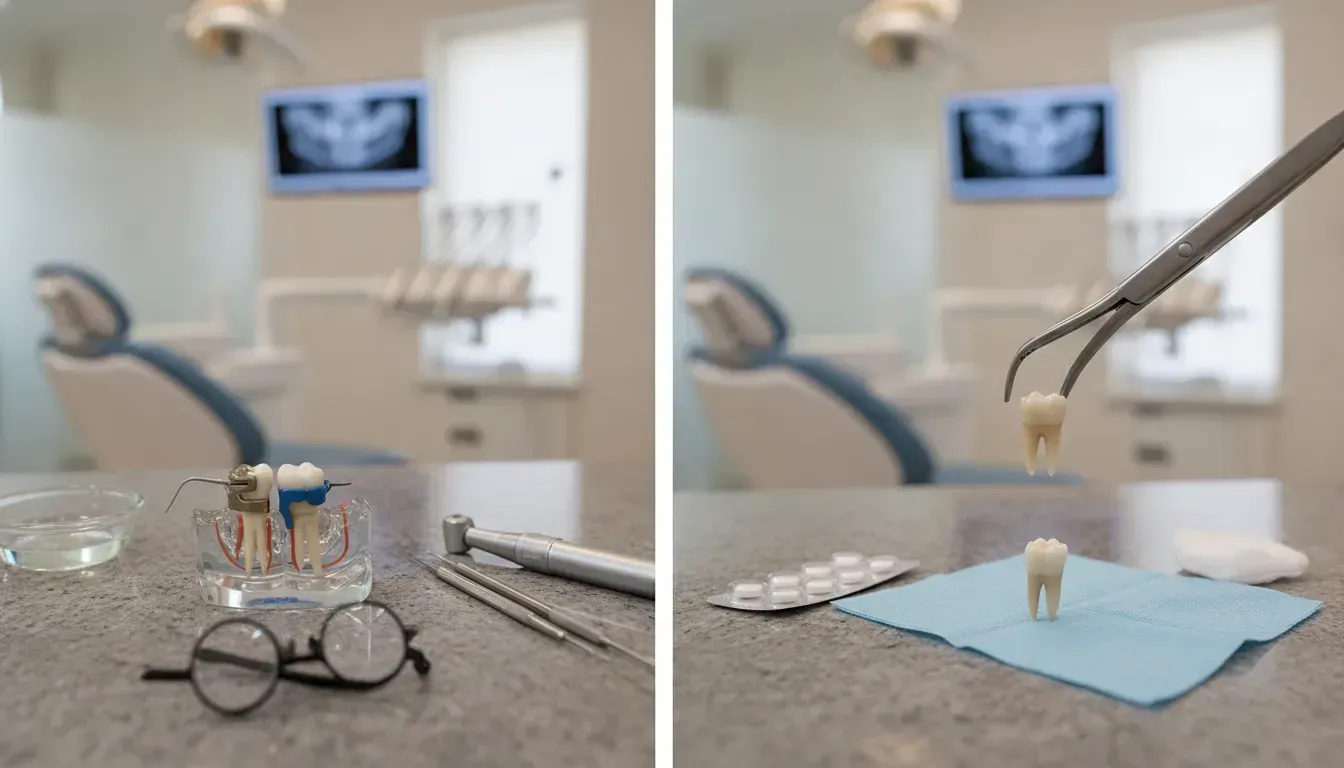
If you are wondering how to prepare for tooth extraction, start by confirming the plan with your dental team rather than relying on a generic checklist alone. The right steps depend on why the tooth is being removed, your health history, and whether you will have local anesthesia, sedation, or another form of anesthesia.
Preparation is mostly about sharing accurate information, understanding the instructions that apply to you, and arranging practical support. Use this guide to organize your questions before a planned extraction. If your instructions from the dentist or oral surgeon differ from general information here, follow the instructions they gave you and call to clarify anything that is unclear.
What should you confirm before the extraction?
Before the appointment, make sure you know what procedure is planned and what the office expects from you. A straightforward extraction and a more involved surgical removal may have different instructions. Your dental team can explain the plan for your particular tooth and circumstances.
- Which tooth is being removed? Confirm the tooth or teeth and the reason for removal. Ask whether the plan is a simple extraction or a surgical extraction, if that distinction applies.
- What type of anesthesia or sedation is planned? Ask whether you will be awake, what you may feel or remember, and whether you need an escort or transportation afterward.
- What should you do about food and drink? Instructions depend on the anesthesia plan. Do not assume you should fast or eat normally. Ask for exact timing and follow the office's directions.
- How long should you set aside? Ask when to arrive and whether the visit includes a consultation, imaging, or other steps before treatment.
- What will the visit cost and how will payment work? Ask the office about its estimate and what it includes. If using dental insurance, ask what information you need to verify with your plan; coverage decisions come from the insurer.
- Who should you contact with a concern? Save the office number and ask how to reach the dental team if you have a question before or after the appointment.
If you are a new patient or have not visited in a while, review the practice's first-visit information so you can plan for the check-in process. For an overview of available care, see the dental services page.
What health information should you share?
Your dentist or oral surgeon needs a current picture of your health to plan care safely. Do not leave out a condition or medication because it seems unrelated to your teeth. If you are unsure whether something matters, mention it and ask.
Make a current medication list
Write down prescription medicines, over-the-counter medicines, vitamins, and supplements, including how much you take and how often. Bring the list or a clear photo of the labels. Include medicines you take only occasionally. If another clinician manages a medicine, note their name or contact details if available.
Never stop, skip, or change a prescribed medicine on your own to prepare for an extraction. Some medicines may need to be handled carefully around a procedure, but your dentist or prescribing clinician should give you directions based on your situation. If instructions conflict, call the dental team and the clinician who prescribed the medicine before making a change.
Tell the team about allergies and health conditions
Share medication allergies and the reaction you experienced, as well as allergies to latex or other materials if known. Mention significant medical conditions, past problems with anesthesia, and any history of unusual bleeding or difficulty healing. Let the team know if you have had a recent change in your health since your last appointment.
Tell the office if you are pregnant, may be pregnant, or are breastfeeding, since that may affect the conversation about imaging, medicines, and treatment planning. The clinical team can decide what is appropriate for you. Do not assume a condition is too minor or too private to mention; the information helps your providers plan with you.
Report current symptoms or a recent illness
Call before the appointment if you develop a fever, feel acutely ill, or notice a new change around the tooth. Also mention swelling, drainage, worsening pain, or difficulty opening your mouth. The office can advise whether the plan should change. Do not wait silently until you are in the chair if something has changed.
How should you handle medicines before the procedure?
There is no one medication rule that applies to every person having an extraction. The advice can depend on the medicine, the reason you take it, your medical history, and the planned anesthesia. Ask for a specific plan rather than relying on advice from a friend or an old instruction sheet.
For each medicine or supplement, ask:
- Should I take my usual dose on the day of the visit?
- If a dose should be changed, who is approving that change and when should I resume my usual routine?
- Should I avoid any over-the-counter product before the procedure?
- What can I take if I have pain before the appointment?
- Who should I contact if I accidentally take a medicine differently than instructed?
Do not start an antibiotic, pain reliever, or other medicine for the extraction unless a clinician tells you to. Keep any written directions with your medication list. If the instructions are unclear, call the office before the appointment instead of guessing.
What should you know about anesthesia and transportation?
Ask the dental team to explain the planned anesthesia in plain language. Local anesthesia numbs an area; sedation or general anesthesia involves different considerations. The team should tell you what applies to your procedure, how to prepare, and what restrictions to follow afterward. A plan for one kind of anesthesia should not be used as a guide for another.
If sedation or general anesthesia is planned, confirm whether you need a responsible adult to accompany you and take you home. Do not plan to drive yourself unless the dental team specifically says that is appropriate for your plan. Ask whether the escort must stay at the office or be available afterward, and how long you should avoid driving, work, or decisions that require full alertness. Arrange the ride in advance and confirm that the person knows the pickup time and location.
If local anesthesia alone is planned, ask whether you can travel home as usual and whether there are any individual restrictions. Either way, do not guess about fasting, drinking, or taking regular medicine. Get the exact directions from the office and follow them closely.
What should you do the day before?
Use the day before to reduce avoidable stress, not to create a new treatment plan. Re-read the office's written instructions and call if you cannot follow them or do not understand a step. Check the appointment time, office location, expected arrival time, and transportation plan.
- Set out your medication and allergy lists, identification, and any forms the office requested.
- Confirm your ride if an escort is needed. Make sure the person can be reached by phone.
- Follow the food, drink, and medication directions exactly as given to you.
- Choose comfortable clothing that makes it easy for the team to check your blood pressure or place monitoring equipment if needed.
- Brush and clean your mouth as you normally would unless the office gave you a different instruction.
- Keep the dental office's contact information somewhere easy to find.
Do not use alcohol or recreational drugs as a way to manage worry or discomfort around the procedure. If anxiety is making the visit difficult, tell the dental team ahead of time. They can discuss the options that are appropriate for your care. If you have questions about smoking or vaping before the appointment, ask the dentist what to do rather than assuming a particular interval is safe for every case.
What should you bring to the appointment?
A little organization can make check-in and the clinical conversation easier. Bring only what the office requests, and keep any important written directions accessible.
- A current list of medicines, supplements, allergies, and relevant health conditions.
- Identification and insurance details, if requested by the practice.
- Referral or imaging records if another clinician gave them to you and the office asked you to bring them.
- Your written questions, including questions about anesthesia, the estimate, and who to call afterward.
- Contact information for the person taking you home, if an escort is required.
Tell the office if you need help understanding forms or instructions. If English is not your preferred language or you need an accommodation, ask in advance whether the practice can support that need. Clear communication is part of preparing well.
How can you organize the appointment details?
Make a short written plan that collects the details in one place. Put the appointment time, office address, arrival instructions, and contact number at the top. Beneath that, note the anesthesia plan, food and medicine directions, transportation arrangements, and the name of the person who can answer questions. This is especially useful if different people help with scheduling and transportation, or if you received instructions during more than one call.
If the office gave you forms or directions electronically, save them where you can find them on the day of the visit. If you received verbal instructions, write them down and repeat back the parts that are easy to mix up, such as when to stop eating or whether to take a morning medicine. If you are the caregiver helping someone else prepare, make sure the patient understands the plan and has a chance to ask questions directly.
Think through the practical details before the appointment: how you will get to the office, whether parking or check-in requires extra time, and who can be reached if plans change. If you are bringing a child or another dependent, ask whether someone needs to stay with them during the visit. These details do not change the clinical procedure, but they can prevent last-minute confusion and help you arrive focused on the conversation with your dental team.
Some patients have had an earlier consultation or imaging visit, while others will discuss details at the treatment appointment. Ask whether the office needs records from another dentist or whether anything remains to be reviewed before the extraction. Do not assume a prior image or treatment recommendation is available to the current team; ask how to send records if they are needed. You can also ask whether the clinician expects to answer additional questions before proceeding and how consent will be handled. The goal is not to predict every step, but to know how you can pause and ask for an explanation if you are uncertain.
What questions are worth asking your dentist?
It is normal to want a clear picture of what will happen. You do not need to memorize a long script. Choose the questions that matter most to you and write down the answers.
- Why is this tooth being removed, and are there other reasonable options in my case?
- What makes this a simple or surgical extraction?
- What type of anesthesia is planned, and what will I experience during the visit?
- What should I do with my medicines, food, and drink before I arrive?
- Do I need someone to drive me or stay with me?
- What should I expect immediately after the procedure, and what instructions will I receive in writing?
- Who do I call if a concern comes up after the office closes?
- What is included in my estimate, and which costs or insurance details should I verify?
If the extraction relates to a damaged tooth, you may find it helpful to read Bain Dental's guide on what to do if you break a tooth. That information does not replace an exam, especially if symptoms are changing. If you have an urgent dental concern, review the practice's emergency dental care information and contact the office for direction.
How can you plan for the first hours afterward?
Although this guide focuses on getting ready, it helps to know how you will manage the transition home. Before treatment begins, ask what supplies or support you may need and which written instructions you will receive. Do not rely on memory alone after a procedure, particularly if you have received medicine that can make you drowsy.
Plan to have a calm place to rest if your dental team recommends it. If you have an escort, ask them to listen to the instructions with you and help you follow them. Make sure you know whom to call with a question. Ask the team what symptoms are expected, what would be a reason to call promptly, and what to do if you cannot reach the office.
Follow the clinician's specific directions for eating, drinking, oral care, and medicines after the extraction. Advice can vary according to the procedure and the patient's health. Do not try to solve a concern by changing a medicine or applying a home remedy without checking with the dental team. For detailed recovery guidance, use the instructions provided for your procedure and ask the office to clarify anything that does not make sense.
What if you are nervous about the extraction?
Tell the dentist or oral surgeon what is worrying you. You might be concerned about pain, needles, sounds, past experiences, or not knowing what will happen. Saying this early gives the team a chance to explain the steps and discuss appropriate ways to make the visit manageable. You can also agree on how you will signal if you need a pause during the appointment.
Ask what the numbing process is expected to feel like and what sensations may remain. If you have had a difficult dental visit before, describe what happened and what would help you feel informed. Do not take a sedative or someone else's medicine to calm yourself unless it was prescribed for you and the dental team has approved the plan.
Patients with questions about sedation can review Bain Dental's overview of sedation dentistry and what to expect, then discuss their own options with the treating clinician. General information cannot determine which approach is suitable for an individual.
When should you call before the appointment?
Call the dental office if your health changes, you develop a new symptom, you are unsure about a medicine or fasting instruction, or your transportation plan falls through. Also call if you are unable to follow the instructions you were given. The team can tell you what to do next; do not make an assumption that could affect the procedure.
For severe or rapidly worsening symptoms, significant facial swelling, trouble breathing or swallowing, or uncontrolled bleeding, seek urgent medical help rather than waiting for a routine appointment. If you are uncertain about the urgency of a symptom, contact a clinician or emergency service for advice appropriate to your situation.
Frequently asked questions about preparing for tooth extraction
Can I eat before a tooth extraction?
It depends on the anesthesia plan and the instructions from your dental team. Ask whether you should eat or drink and exactly when to stop. Do not apply fasting instructions from another person's procedure to your own visit.
Should I stop taking my regular medicine?
Do not stop or change a prescribed medicine on your own. Give the dental team a full medication list and follow the plan they provide, coordinating with the prescribing clinician when needed.
Do I need someone to drive me home?
You may need an escort if you receive sedation or general anesthesia. Confirm the requirement with the office before the appointment, and arrange a responsible adult in advance if requested. Ask the team when it is safe to resume driving and other activities.
What if I get sick before the appointment?
Call the dental office and describe your symptoms, including when they began. The team can advise whether to keep, change, or reschedule the appointment. Do not attend without telling the office about a significant new illness or health change.
Where can I get reliable general dental information?
The American Dental Association provides general oral-health information at its official website. For preparation instructions specific to your extraction, rely on the clinician who knows your health history and treatment plan.
Good preparation means arriving with clear instructions, an accurate health and medication history, and a plan for getting home and asking follow-up questions. If anything about your procedure remains uncertain, contact your dental team before the appointment so you can make the plan together.