Oral Cancer Screening in Carrollton GA: What to Expect
Get answers about oral cancer screening in Carrollton GA, including what to expect, signs to watch for, and how to schedule your exam with a local dentist.
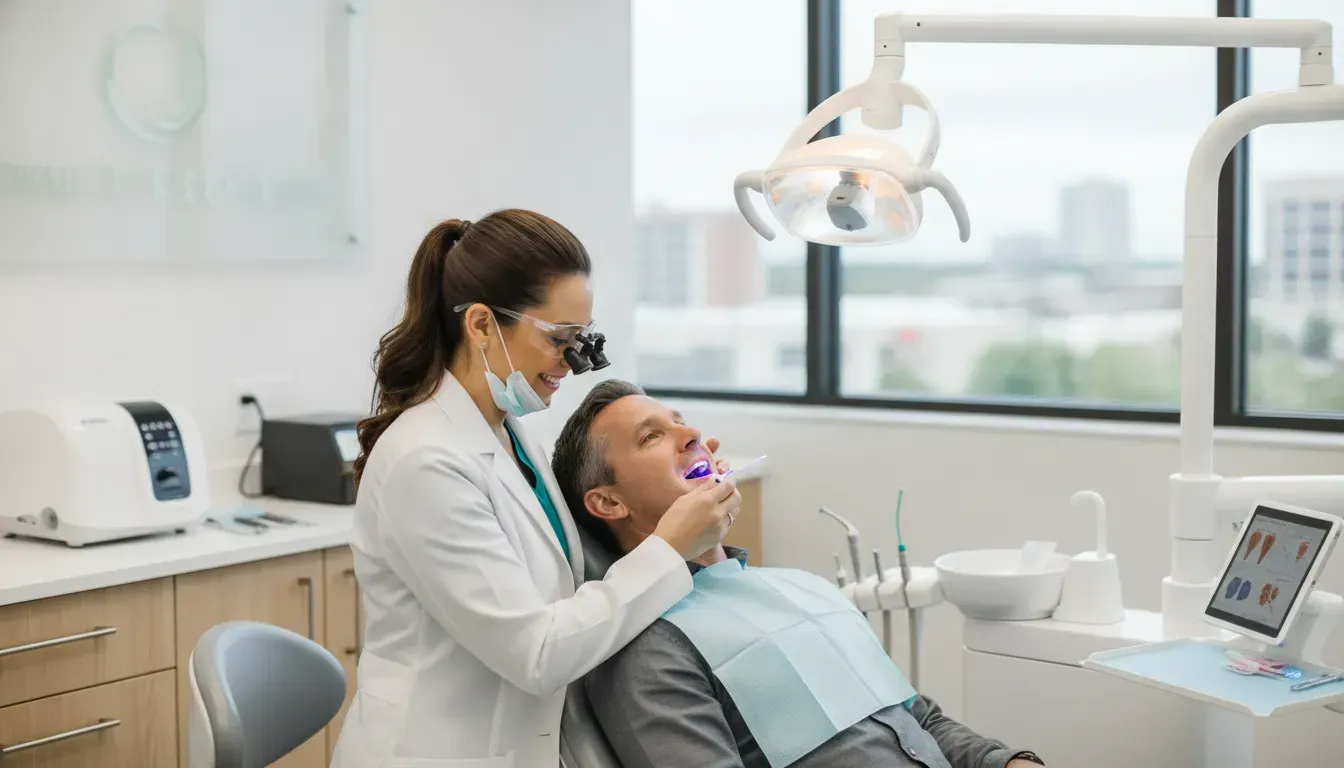
A sore that lingers, a patch that looks different, or a lump you’ve just noticed can leave you wondering what to do next. Many mouth changes have everyday causes, but a dental professional can check them and explain whether they need follow-up. An oral cancer screening is a visual and hands-on exam that looks for unusual changes in the mouth and nearby tissues. It can’t diagnose cancer, but it can help identify areas that deserve a closer look. If you’re considering oral cancer screening in Carrollton GA, learn what the exam involves, when to ask about one, and what may happen if your dentist finds something unusual.
Key Takeaways
- Know what screening can do: A dentist can check for unusual changes in your mouth and nearby tissues, but only further evaluation can determine their cause.
- Speak up about persistent symptoms: Share details about sores, patches, lumps, or other changes, especially if they last more than two weeks or get worse.
- Ask about your Carrollton visit: Contact Bain Dental & Aesthetics Group to learn whether screening is part of your exam and what follow-up or payment options may be available.
What Is Oral Cancer Screening in Carrollton, GA?
An oral cancer screening is an exam of your mouth and nearby tissues to look for unusual sores, red or white patches, lumps, or other changes. A dentist may perform this check during a routine dental visit or take a closer look if you mention a symptom. The exam is generally visual and may also include gently feeling areas inside your mouth. It can help identify changes that need attention, but it does not diagnose cancer.
If you have a concern, tell your dentist what you’ve noticed and how long it has been there. You can also ask whether an oral cancer screening is part of your regular exam and what follow-up might involve if the provider sees something unusual. Bain Dental & Aesthetics Group offers dental care in Carrollton, and you can contact the Carrollton team to ask about services and appointments.
What Can and Can't a Screening Tell You?
A screening can reveal a spot, sore, or lump that may need a closer evaluation. Your dentist may look over the tissues inside your mouth and use gloved hands to feel for areas that seem unusual. However, an exam alone cannot tell whether a finding is cancerous. Mouth sores are common, and many have noncancerous causes. As the Mayo Clinic explains, a biopsy is needed to determine whether tissue contains cancer. Depending on the finding, your dentist may recommend monitoring it, arranging a follow-up visit, or referring you for additional testing. A screening is an important check, but it is not a diagnosis.
Why Evaluate Concerning Changes Early?
If you notice a change in your mouth that does not go away, bring it to your dentist’s attention rather than trying to diagnose it yourself. A sore or patch does not automatically mean cancer, but a professional can examine it and recommend what to do next. Finding oral cancer before it spreads may allow for less-invasive treatment and improve the chance of successful care, according to the Mayo Clinic. When you contact your dental provider, share when the change began and whether it has grown, changed color, or become painful. Those details can help guide the exam and any follow-up.
Who Should Ask About Screening?
Anyone can develop oral cancer, whether or not they have known risk factors. Tobacco use, heavy alcohol consumption, a family history of oral cancer, and significant sun exposure can increase risk, but having none of these factors does not rule out a concern. Ask your dentist whether an oral cancer check is included in your exam, especially if you have noticed a persistent change. Regular dental visits also give you a chance to discuss symptoms and update your health history. Dentists play an important role in checking for concerning changes, as described in Cigna’s guide to early signs of oral cancer.
What Happens During an Oral Cancer Screening?
An oral cancer screening is a focused check of the tissues in and around your mouth. Your dentist looks for unusual sores, patches, or lumps and may gently feel areas inside your mouth and along your jaw and neck. The screening is often included in a routine dental exam, so you may not need a separate appointment or special preparation. Let your provider know if you have noticed a change, even if it seems small. Share where it is, when it started, and whether it has changed or healed.
A screening can help identify an area that may need attention, but it cannot diagnose cancer. Many mouth changes have causes other than cancer, and a provider may recommend monitoring or further evaluation based on what they find. If you have ongoing symptoms, mention them rather than waiting for your next routine visit. At Bain Dental & Aesthetics Group, the Carrollton team can explain what your dental exam includes and discuss concerns you want checked.
What Does the Provider Examine?
Your provider will look over the soft tissues inside your mouth for sores, red or white patches, and other changes. The exam may include your lips, gums, the inside of your cheeks, your tongue, and the floor and roof of your mouth. Your dentist may ask you to move or lift your tongue to get a clear view of the tissues underneath. The Cleveland Clinic’s overview of oral cancer screening describes how providers check these areas for lesions and abnormalities. Point out any spot that feels sore, looks different, or has not healed. Your dentist can take a closer look and determine whether it needs follow-up.
How Does the Provider Check Your Face, Jaw, and Neck?
The screening may include a visual check and gentle pressure on areas around your mouth. Your dentist may look at your face and jaw, then feel along your neck and under your jaw for lumps, swelling, or other changes. With gloved fingers, they may also feel inside your mouth, including your cheeks and the area under your tongue. These checks help your provider notice places that feel different from nearby tissue. Cigna’s guide to early signs of oral cancer notes that an exam can include the mouth, head, and neck. Tell your provider about any lump, tenderness, or difficulty moving your jaw.
What Health History and Risk Factors Will the Provider Ask About?
Your dentist may ask what changes you have noticed, how long they have been present, and whether they are getting better or worse. They may review your health history and ask about factors such as tobacco use and alcohol consumption, which can affect oral cancer risk. Share any persistent mouth or throat symptoms, as well as broader changes in your health, such as unexplained weight loss or ongoing fatigue. These details give your provider useful context, but they cannot determine a diagnosis by themselves. The Oral Cancer Foundation’s screening guidance describes why a person’s overall health and reported changes can be part of an evaluation. Answer as openly as you can, and ask if you are unsure why a question is relevant.
How Do Additional Screening Tools Help?
A screening usually centers on a visual exam and a hands-on check. If your dentist wants a closer look at an area, they may use an additional light or other screening aid. These tools can help highlight tissue that may need further evaluation, but they do not confirm cancer. A spot that looks unusual may have a noncancerous cause, and screening tools cannot replace diagnostic testing when that is needed. The Mayo Clinic’s overview of oral cancer screening explains how providers inspect the mouth and feel for unusual areas. If your dentist finds something concerning, ask what the tool showed and what follow-up they recommend, such as monitoring the area, seeing a specialist, or having a biopsy.
Which Signs and Risk Factors Should You Know?
Knowing what changes to watch for can help you decide when to contact a dentist or physician. Many symptoms have causes other than cancer, but changes that persist should be evaluated.
Which Mouth or Throat Changes Should You Report?
Tell your dentist or physician about a sore or irritation that does not heal, a white or red patch, or a lump or thickened area in your mouth or throat. Also report numbness or pain in your lips or mouth, unexplained bleeding, trouble chewing or swallowing, and changes in your voice or speech. A patch that cannot be wiped away or a sore that keeps returning also deserves attention.
These symptoms can have many causes, including injury, infection, or other conditions, so they do not necessarily mean cancer. Still, it’s important to share changes that concern you. The Cleveland Clinic’s guide to oral cancer symptoms explains what to look for and discuss with a healthcare professional.
Which Risk Factors Should You Know?
Tobacco use, including smoking and chewing tobacco, and heavy alcohol use are important risk factors for oral cancer. Human papillomavirus (HPV), a weakened immune system, and a personal or family history of cancer may also be relevant. Frequent sun exposure can increase the risk of cancer on the lips.
Having a risk factor does not mean you will develop cancer, and oral cancer can affect people without known risk factors. Share your health history and habits with your provider so they can consider them during an examination. The National Cancer Institute’s overview of oral cancer risks provides more information. You can also ask the Bain Dental & Aesthetics Group Carrollton team whether an oral cancer screening can be included in your visit.
When Should You Get Persistent Symptoms Checked?
Contact a dentist or physician if a mouth sore, patch, lump, or other unexplained change lasts more than two weeks, returns repeatedly, or gets worse. Arrange an evaluation promptly for persistent pain, ongoing bleeding, trouble swallowing, or a change in your bite. Severe difficulty breathing or swallowing requires urgent medical care.
A short-lived sore may come from an injury or irritation, but it can be difficult to identify the cause on your own. A professional can examine the area and recommend follow-up if needed. The American Cancer Society’s guidance on oral cancer detection advises getting persistent symptoms checked. When you make an appointment, note when the change began and whether it has improved, worsened, or returned.
What Happens If a Screening Finds Something Concerning?
A screening may reveal an area that needs a closer look, but it cannot confirm cancer. Your provider will recommend next steps based on the finding, how long it has been present, and your health history. If you’re having a dental exam in Carrollton, ask the Bain Dental & Aesthetics Group team whether it includes an oral cancer screening and what follow-up may involve.
Why Doesn’t an Abnormal Finding Mean Cancer?
A sore, lump, or red or white patch can have many causes, including irritation, infection, or inflammation. An unusual finding is a reason to check the area, not a cancer diagnosis. MD Anderson notes that most white patches in the mouth do not develop into oral cancer, but it is still worth having a dental or medical professional assess them.
Some oral cancer symptoms can look or feel like common mouth problems, so an exam alone may not provide a clear answer. Your provider may ask when you first noticed the change, whether it has grown or changed, and whether you have pain or other symptoms. Mention any sore that does not heal or keeps returning, and follow the recommended plan for checking it again.
What Are the Next Steps: Recheck, Biopsy, or Referral?
The next step depends on what your provider sees. They may recommend monitoring the area and rechecking it, particularly if irritation or a minor injury could be the cause. If the change persists or appears more concerning, your provider may refer you to a specialist, such as an oral surgeon or an ear, nose, and throat doctor. Cleveland Clinic explains that suspicious screening findings may need further evaluation.
A biopsy may be recommended to learn more about a tissue change. It involves taking a small sample for examination, and it does not mean you have cancer. Ask who will arrange follow-up, when to expect results, and whom to contact if the area changes while you wait. Keeping your appointments helps ensure the finding gets the attention it needs.
When Might You Need Imaging, Diagnosis, or Treatment Planning?
If an exam or biopsy indicates that more information is needed, a specialist may recommend imaging or other tests. These can help assess the area and determine whether nearby structures are involved. The right tests depend on the finding and your health history, so ask your provider what each test is meant to clarify and when you can expect results.
If testing confirms cancer, your care team will discuss treatment options based on the type and extent of the disease. Early diagnosis may allow for less-invasive treatment and improve the likelihood of a successful outcome, according to the Mayo Clinic’s overview of oral cancer screening. Follow the care team’s recommendations, and let them know about persistent sores, lumps, or difficulty chewing or swallowing.
What Are Common Oral Cancer Screening Myths?
Oral cancer screenings can raise questions, especially if you feel well or have never had a reason to worry about your mouth. A few common myths can make it harder to know when to ask about one: that only people with certain habits need screening, that no symptoms means no risk, or that an unusual spot automatically means cancer. None of these assumptions tells the whole story.
A screening is a check for changes that may need attention. It can be part of a comprehensive adult dental exam, though what an appointment includes can vary. It also does not replace care for a symptom you have noticed. Tell your dentist about a sore, patch, lump, or other change, including how long it has been there. Your provider can examine the area and explain whether follow-up is appropriate.
If you receive dental care in Carrollton, ask the team at Bain Dental & Aesthetics Group’s Carrollton location whether an oral cancer screening is included in your exam. These answers to common myths can help you have a more informed conversation with your dental provider.
Why Should People Without Risk Factors Ask About Screening?
Myth: Only people with known risk factors need an oral cancer screening. Tobacco and alcohol use can raise the risk of oral cancer, but people without these risk factors can still ask their dentist about screening. The Delta Dental overview of oral cancer myths notes that screening can be part of a comprehensive adult dental exam.
Ask whether your routine exam includes a screening and how often your dentist recommends one for you. Your age, health history, symptoms, and other factors may shape that conversation. Share any changes you have noticed, even if they seem minor. A screening does not mean your provider expects to find cancer; it offers a chance to check for unusual areas and decide whether they need attention.
Why Ask About Screening Even Without Symptoms?
Myth: If nothing hurts, there’s nothing to check. Some changes in the mouth may not cause pain or other obvious symptoms at first. During an exam, a dentist may notice a spot or tissue change that you haven’t seen or felt. Screening looks for signs that may need further evaluation; it cannot guarantee that cancer is absent.
The Mayo Clinic explains that finding cancer before it spreads may allow for less-invasive treatment and make a cure more likely. That is one reason to ask about screening even when you feel well. If you have a persistent sore, patch, or lump, contact your dental provider rather than waiting for your next routine visit. Mention when you first noticed it and whether it has changed.
Why Is Screening Usually Visual and Hands-On?
Myth: An oral cancer screening always requires a special machine or scan. A screening often involves looking closely at the mouth and feeling the tissues. Your dentist may check your lips, tongue, cheeks, gums, and the roof and floor of your mouth for unusual sores or red and white patches. With gloved hands, they may feel for lumps or areas that seem different from the surrounding tissue.
Depending on the exam, your provider may also check your face, jaw, and neck. Additional tools may be appropriate in some situations, but a tool alone does not diagnose cancer. The Mayo Clinic describes the visual and tactile checks that may be part of screening. If you’re unsure what your appointment includes, ask your dentist to explain each step.
Why Can’t Screening Confirm Cancer?
Myth: An abnormal finding means you have cancer. A screening can identify an area that looks or feels unusual, but it cannot tell on its own whether that area is cancerous. Mouth sores and patches are common, and many have causes unrelated to cancer. Your dentist will consider details such as the area’s appearance, location, and how long it has been present when discussing next steps.
Depending on the finding, your provider may recommend watching it, arranging a follow-up exam, or referring you to a specialist. A biopsy, which involves examining a small tissue sample, may be needed to confirm a diagnosis. As Wheatland Dental Care explains, an oral exam alone cannot distinguish cancerous from noncancerous sores. Ask what the finding could mean, what follow-up is recommended, and when to return.
Where Can You Get an Oral Cancer Screening in Carrollton, GA?
A dentist can check for unusual changes in your mouth during a routine visit, and you can ask for an evaluation if you notice a sore, lump, or patch that concerns you. In Carrollton, Bain Dental & Aesthetics Group offers general dentistry that includes oral cancer screenings. When choosing where to go, ask what the exam covers, who performs the screening, and how the office handles findings that need follow-up.
Contact Bain Dental & Aesthetics Group’s Carrollton Team
Bain Dental & Aesthetics Group offers general dentistry services, including oral cancer screenings, at its Carrollton location. The practice describes screenings as part of routine exams and says its team checks for abnormalities. You can contact the Carrollton team to ask about scheduling and what to expect at your visit.
When you call, mention any changes you’ve noticed and how long they’ve been present. Ask whether the screening is included with your planned appointment or requires a separate exam. If you’re concerned about a persistent symptom, explain that when you contact the office so the team can help you determine an appropriate time to come in.
Ask If Your Routine Dental Exam Includes Screening
A routine dental exam is a practical time to ask about screening, but it’s helpful to confirm what your specific visit includes. Bain Dental & Aesthetics Group lists oral cancer screenings among its general dentistry services. Call ahead if you want to know whether the screening takes place during your cleaning or as part of a separate exam.
Screenings commonly include a visual check for sores or red and white patches, along with feeling the tissues for lumps or unusual areas. The Mayo Clinic’s explanation of oral cancer screening describes these steps. Tell your provider about any specific spot or change you’ve noticed, and ask them to examine it. This helps ensure your concern is part of the conversation, even if it isn’t obvious during a general check.
See a Dentist, Physician, or Specialist for Further Evaluation
A dentist is often a good first contact for a change inside your mouth. During an exam, the dentist can assess the area and explain whether it needs monitoring or further evaluation. If another type of care is appropriate, the dentist may recommend a medical provider or specialist. The next step depends on what the provider finds and your health history.
A physician can also assess concerns involving your throat, jaw, or neck, or help you decide where to seek care. Cigna highlights regular dental visits as an important opportunity for oral cancer screening. If you have a persistent change, contact a dentist or physician rather than waiting for your next routine appointment. Describe what you’ve noticed and when it began so the office can advise you about timing.
Check Provider Credentials, Training, and Referral Options
Before booking, ask who performs the screening and how the dentist reviews any areas that look or feel unusual. A dental hygienist may perform an initial check, with the dentist assessing anything that needs closer attention. The Oral Cancer Foundation’s dental information explains how hygienists can bring suspect areas to the dentist’s attention for further examination.
You can also ask what follow-up might involve, whether the office coordinates referrals, and who will explain the next steps if further assessment is recommended. A screening alone cannot confirm cancer, so the provider may recommend another evaluation or procedure based on the finding. Clear answers can help you understand how the practice handles concerns and how you’ll be kept informed.
Use Patient Reviews to Research Providers
Reviews can offer a sense of how a dental office communicates, schedules visits, and responds to patient questions. Look for comments about attentive care, clear explanations, and follow-up. Individual experiences vary, so consider reviews as one source of information, not a guarantee of what your own appointment will be like.
Pair reviews with a direct conversation with the office. Ask how oral cancer screenings fit into routine exams and what the team does if a finding needs further assessment. You can also read about Bain Dental & Aesthetics Group’s team and approach to care. A provider should be willing to listen to your concern, explain the screening process, and describe how they’ll communicate any recommended next steps.
How Can You Schedule an Oral Cancer Screening in Carrollton, GA?
Booking a screening gives you a chance to discuss changes in your mouth and ask whether an exam is right for you. When you contact a dental office, explain what prompted your call and ask about the visit, fees, and any recommended follow-up.
Call or Request an Appointment Online
Call Bain Dental & Aesthetics Group’s Carrollton office or submit an appointment request through the practice’s website. Let the team know you’d like to ask about an oral cancer screening and whether it can be included in a routine dental exam. You can review the practice’s general dentistry services before you contact the office.
If you’ve noticed a sore, lump, or other change, mention it when booking. Sharing how long it has been there and whether it has changed can help the team advise you about scheduling. If you’re unsure whether to wait for your next regular checkup, call and ask.
Share Your Symptoms, Risk Factors, and Health History
Tell your dentist about any changes in your mouth or throat, when you first noticed them, and whether they have persisted or changed. Mention concerns such as a sore that does not heal, a lump, difficulty swallowing, or a change in your voice. The Cigna guide to early signs of oral cancer outlines symptoms you may want to discuss with a health professional.
Share relevant health history and risk factors, too. These may include tobacco or alcohol use, previous oral lesions, or a past cancer diagnosis. This information helps your dentist understand your concerns and consider whether to monitor an area, examine it again, or recommend further evaluation.
Ask What the Visit Includes and Whether Tests Cost Extra
Before your appointment, ask what the screening involves and whether it is part of your dental exam or billed separately. A screening may include a visual check and a hands-on examination of your mouth and nearby areas. Your dentist may also ask about symptoms and check your jaw and neck. The Mayo Clinic’s overview of oral cancer screening describes what an exam may include.
Ask whether the office uses additional screening tools and whether they carry a separate fee. Not everyone needs extra testing, and a screening alone cannot confirm cancer. If your dentist recommends another test or an appointment with a different provider, ask what it involves and what it may cost.
Confirm Coverage, Fees, and Payment Options
Call your dental insurance provider to ask whether an oral cancer screening is covered, whether it needs to be part of a routine exam, and whether you may owe a copay or other fee. Coverage varies by plan, so confirm details with both your insurer and the dental office. Ask the office to explain expected charges before you agree to additional services or tests.
If you don’t have insurance or would like to discuss other payment options, ask the Carrollton team when you book. Bain Dental & Aesthetics Group offers an in-house dental savings plan and flexible financing. Contact the Carrollton office to learn which options may apply to your care and what information to bring.
Prepare Questions About Findings and Follow-Up
Bring a few questions to help you understand what the dentist observes and what to do next. For example, ask whether any areas need monitoring, when to schedule another exam, and who to contact if a change continues or worsens. If your dentist recommends further evaluation, ask how soon to arrange it and whether the office will share relevant records with the next provider.
An unusual finding does not necessarily mean cancer. Depending on what the dentist sees, the next step may be to monitor the area, schedule a recheck, or arrange further evaluation. The Cleveland Clinic’s guide to oral cancer screening explains possible follow-up steps. Before you leave, confirm who will contact you and how you’ll receive any results.
Frequently Asked Questions
Does an oral cancer screening hurt? The exam is generally simple and noninvasive. Your dentist looks at the tissues in and around your mouth and may gently feel your cheeks, jaw, and neck. Let your provider know if an area is tender or uncomfortable.
Can a dentist tell if a spot is cancer during the screening? No. A screening can identify an area that may need attention, but it cannot confirm cancer. Your dentist may recommend a follow-up exam, referral, or biopsy to learn more.
Should I wait for my next dental visit to mention a mouth sore? If a sore, patch, lump, or other change persists, returns, or gets worse, contact a dentist or physician rather than waiting for your next routine visit. Severe difficulty breathing or swallowing needs urgent medical care.
Is an oral cancer screening included in a routine dental exam in Carrollton? Screening may be part of a routine exam, but appointment details can vary. Contact Bain Dental & Aesthetics Group’s Carrollton team to confirm what your visit includes and whether any additional fees may apply.
What should I tell my dentist before the screening? Describe any changes you’ve noticed, when they started, and whether they have changed or healed. Sharing relevant health history and risk factors can also help your dentist assess your concern and discuss appropriate follow-up.