ClearCorrect vs Invisalign: Compare Cost, Comfort & Care
ClearCorrect vs Invisalign: Compare cost, comfort, and care to find out which clear aligner may fit your needs. Learn what to ask at your dental consultation.
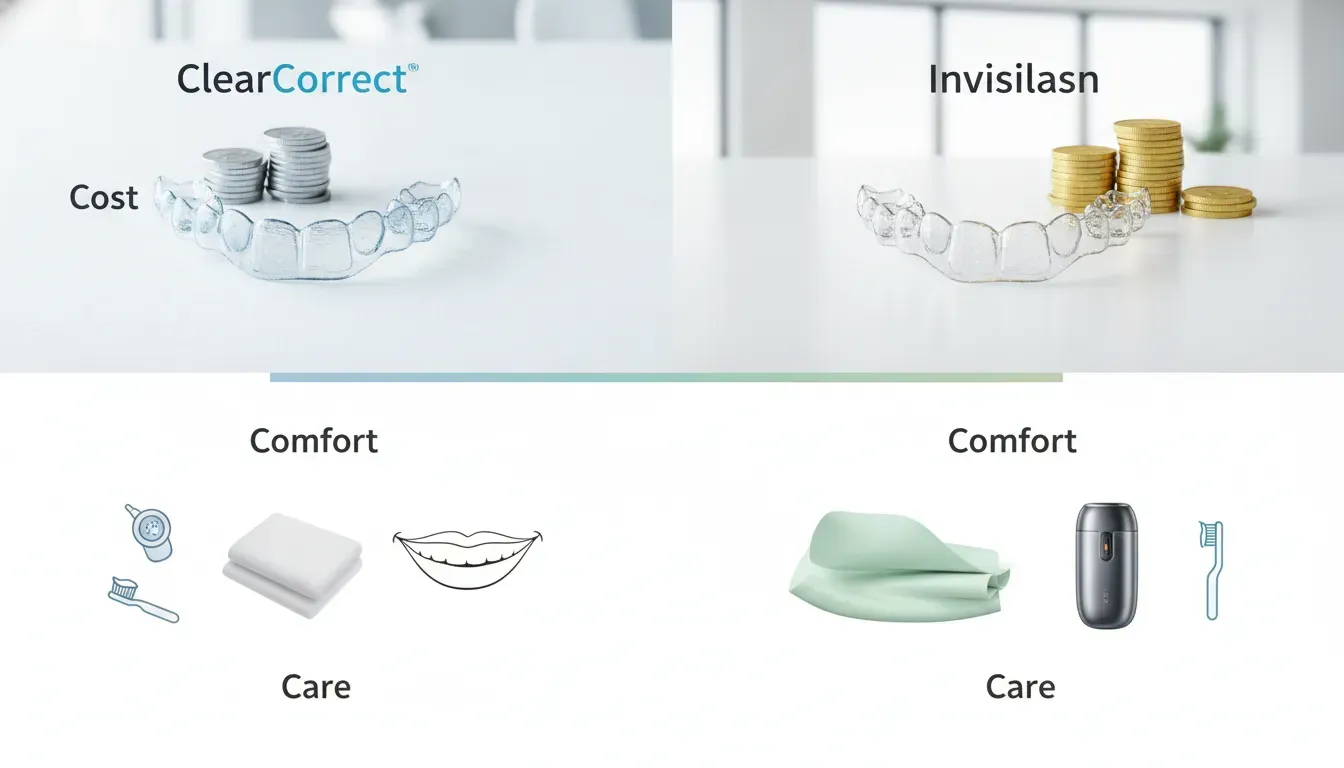
If you’re comparing clear aligners, it’s easy to focus on brand names or advertised prices. But the most important question is whether a system can address your specific dental needs. ClearCorrect and Invisalign may treat several alignment concerns, yet the right plan depends on your bite, oral health, and the movements your teeth need. This ClearCorrect vs Invisalign guide helps you compare treatment features, comfort, cost, and daily care without assuming one option is best for everyone. You’ll also find practical questions to take to your consultation, so you can discuss realistic outcomes and choose a plan with guidance from a dental professional.
Key Takeaways
- Get a personalized recommendation: Ask a dental provider to assess your teeth, bite, and goals before choosing ClearCorrect, Invisalign, or another orthodontic option.
- Compare complete treatment costs: Request an itemized estimate that includes visits, refinements, replacement aligners, and retainers, then ask about insurance, financing, and savings plans.
- Plan for daily wear and follow-up: Wear aligners as directed, attend checkups, and follow your provider’s retainer instructions to help maintain your results.
ClearCorrect vs. Invisalign: How Do They Compare?
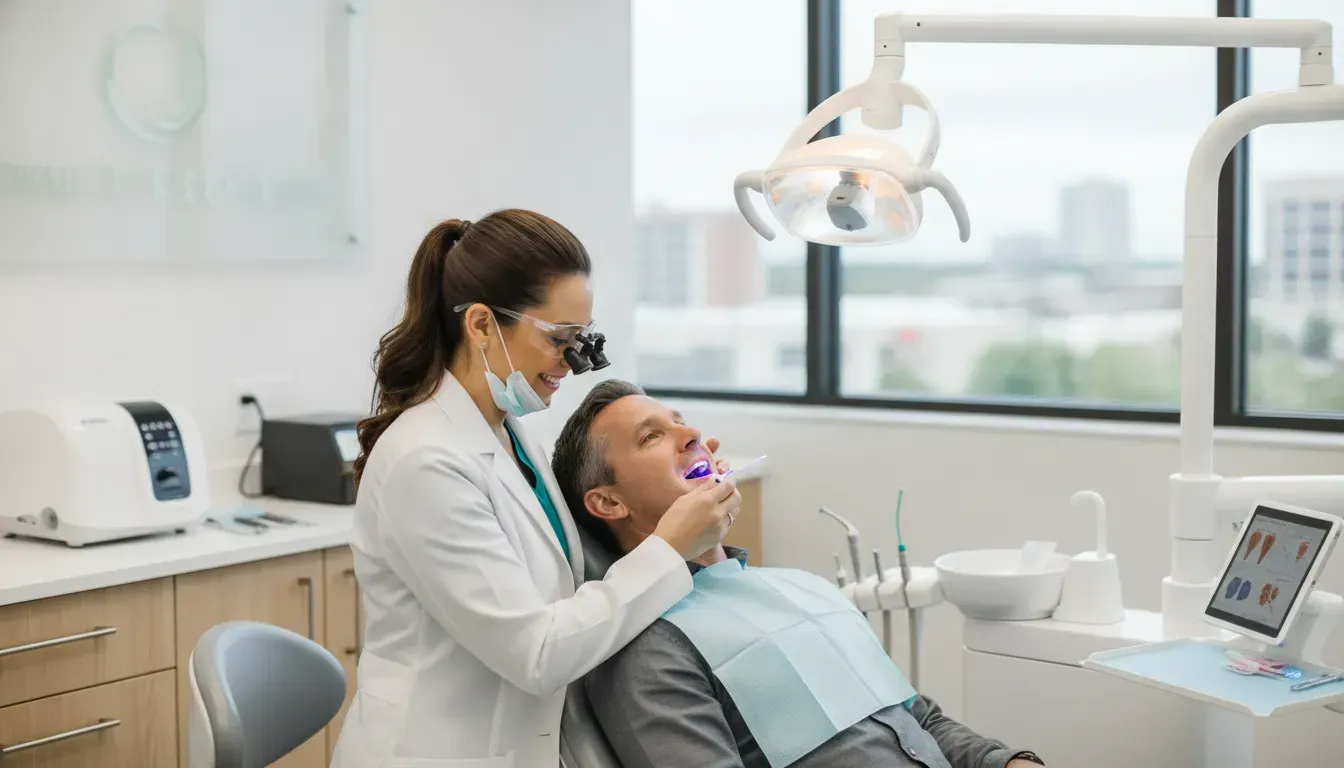
ClearCorrect and Invisalign use a series of clear, removable aligners to gradually move teeth. Both can be discreet alternatives to braces, but they use different materials and may feel different to wear. Those differences are only part of the comparison. Your teeth, bite, treatment goals, and dental provider’s assessment help determine which option may suit you. A dental evaluation can also identify whether clear aligners are a good fit for your needs.
How clear aligners work
Your provider plans treatment around your teeth and bite, then orders a sequence of custom aligners. Each tray makes small adjustments as your teeth move toward their planned positions. You’ll change aligners on the schedule your provider recommends and attend checkups to monitor progress.
ClearCorrect and Invisalign use this same gradual approach, though your exact treatment plan will depend on your case. You can remove the trays to eat and brush, but wearing them as directed is important for keeping treatment on schedule. Your provider can explain the steps, expected results, and any limitations before you begin. Explore Bain Dental & Aesthetics Group’s dental services to learn more about care options.
ClearQuartz and SmartTrack materials and design
ClearCorrect aligners use ClearQuartz, a tri-layer material designed to retain its shape during wear. Invisalign aligners use SmartTrack, which some patients describe as more flexible when inserting and removing trays. ClearQuartz may feel firmer by comparison, though individual experiences vary. Fit, tooth sensitivity, and the stage of treatment can also affect how an aligner feels.
Material alone doesn’t determine which system will work best for you. Your provider can explain the design differences and recommend an option based on your treatment plan. This comparison of ClearQuartz and SmartTrack offers further detail about how the materials are designed.
What both systems share
Both ClearCorrect and Invisalign are professional clear aligner systems that use a series of trays to guide tooth movement. They can treat alignment concerns in appropriate cases, but neither is the right fit for every patient. Your provider will assess your bite, dental health, and the movements needed before recommending an approach.
Both options also require consistent wear, regular checkups, and follow-up care. An overview of clear aligner treatment explains that the systems share a gradual approach to tooth movement. Ask your provider what results are realistic for your case, how progress will be monitored, and whether either system has limitations for your treatment goals.
How Much Do ClearCorrect and Invisalign Cost?
There’s no single price for clear aligner treatment. Your total depends on the changes your teeth need, the treatment plan your provider recommends, and what the quoted fee includes. A consultation can help you compare options using your own goals and dental needs.
How providers, cases, and treatment plans affect cost
Published estimates offer a starting point, not a personalized quote. One comparison lists ClearCorrect at $2,000 to $5,500 and Invisalign at $3,000 to $8,000, but prices vary by provider, location, and treatment plan. Your cost may fall outside those ranges.
The extent of tooth movement is a major factor. A mild spacing or crowding concern may call for fewer aligners than a more involved bite issue. Providers may also set fees based on the care included and the complexity of your plan. Use these ClearCorrect and Invisalign cost estimates as a general reference, then ask your dentist which system can address your specific needs. A lower price is only helpful if the treatment is appropriate for your teeth.
Insurance, HSA and FSA funds, financing, and savings plans
Dental insurance may cover clear aligner treatment through an orthodontic benefit. Coverage varies by policy, and some plans have a lifetime maximum. Before choosing a system, ask your insurer whether ClearCorrect and Invisalign receive the same coverage and whether age limits, waiting periods, or other restrictions apply.
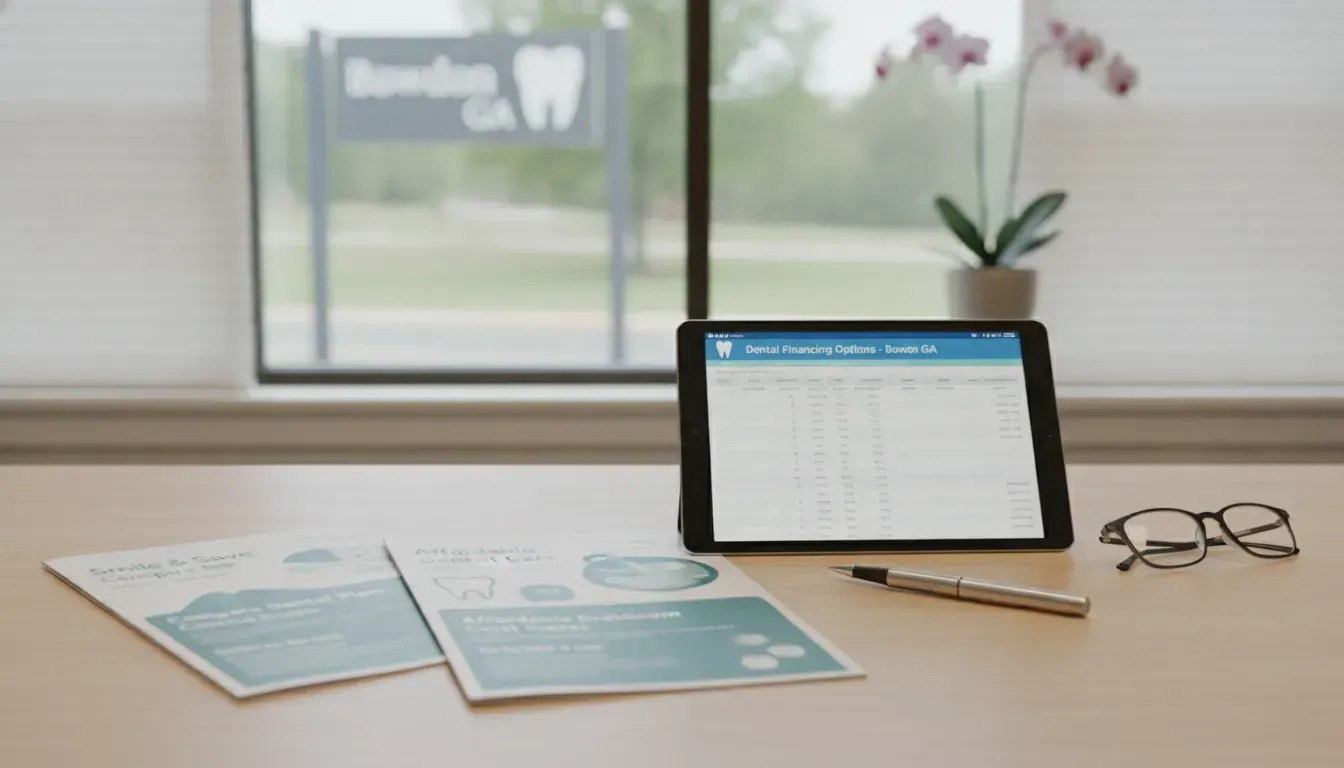
HSA or FSA funds may also help pay for eligible orthodontic expenses. Check with your plan administrator to confirm what qualifies and how much you can use. If you’ll pay out of pocket, ask about monthly payment options and any fees or interest. Bain Dental & Aesthetics Group offers flexible financing and an in-house dental savings plan. Contact the office to learn which options may apply to your treatment.
Compare quotes and check what they include
Ask for a written estimate that shows the expected total, not just the initial payment. Find out whether the fee covers consultations, scans, checkups, attachments, refinements, and replacement aligners if needed. Retainers may be included or charged separately, so clarify that before starting treatment.
A lower quote may include fewer services. Compare what each provider includes, and ask how additional aligners or changes to your plan could affect the final cost. If you’re considering care at Bain Dental & Aesthetics Group, review its dental services and ask the team to explain the fees and payment options during your consultation.
Which Dental Concerns Can ClearCorrect and Invisalign Treat?
ClearCorrect and Invisalign can address several alignment concerns, but neither system is right for every case. Your dentist or orthodontic provider can assess your teeth, bite, and oral health to recommend an approach suited to your goals.
Crowding, spacing, and bite concerns
Clear aligners may help with mild-to-moderate crowding, small gaps, and certain bite concerns. Each set of custom trays applies gentle pressure to guide teeth toward planned positions. The number of trays and the movements they need to achieve depend on your individual treatment plan.
The type and severity of the concern matter. Minor spacing may be simpler to treat than pronounced crowding or a bite that affects how your upper and lower teeth meet. A provider can examine your mouth and explain which movements aligners may be able to make. Bain Dental & Aesthetics Group offers ClearCorrect and Invisalign, along with other orthodontic services, so you can discuss your options with the care team.
How case complexity affects candidacy and results
Case complexity can influence which aligner system a provider recommends. ClearCorrect may suit some straightforward adjustments, while Invisalign may offer treatment features that support certain more involved movements. These are general considerations, not guarantees: the best choice depends on your teeth, bite, and treatment goals.
Your provider will evaluate your dental health and explain what each option may accomplish. Severe crowding, substantial rotations, or significant bite concerns may require a more complex plan. A comparison of ClearCorrect and Invisalign can help you understand common differences, but an individualized evaluation is the best way to learn whether aligners are appropriate for you.
Attachments, elastics, and other treatment tools
Some aligner plans use small, tooth-colored attachments to help trays grip teeth and guide particular movements. Depending on your bite and treatment goals, your provider may also recommend elastics or other tools. These additions are planned as part of treatment and do not necessarily indicate a problem.
Ask whether your plan may include attachments or elastics, how they could affect your routine, and whether they are included in the quoted cost. Your provider can explain how to wear and care for them, and what to do if an attachment comes loose or an elastic breaks. A comparison of aligner treatment features offers more background, but your provider can clarify which tools your specific case may require.
When braces or another option may fit better
Clear aligners are not suitable for every orthodontic concern. Severe crowding, major bite corrections, or treatment involving extractions may be more predictable with braces or a combination of approaches. The right recommendation depends on the movements needed and your overall dental health.
If aligners are not the best fit, ask your provider to explain the alternatives, expected treatment time, and care involved. Bain Dental & Aesthetics Group offers traditional braces alongside clear aligner options. You can ask about orthodontic care at the Bowdon, Carrollton, or Villa Rica location.
How Do ClearCorrect and Invisalign Compare for Comfort?
ClearCorrect and Invisalign both use removable aligners to move teeth gradually. Either system may cause temporary pressure, especially when you start a new set, but comfort varies from person to person. Fit, treatment needs, and daily habits all play a part, so the brand name alone can’t predict which option will feel better for you.
Fit, initial pressure, and speech changes
A new aligner set may feel snug or create mild tenderness as your teeth begin adjusting. This sensation often eases over the first few days, though your experience will depend on your treatment plan and how your teeth respond. Some people also notice a temporary change in speech, such as a slight lisp, while getting used to wearing trays. Reading aloud or practicing conversation can help you adapt.
ClearCorrect and Invisalign may feel different, but there’s no guarantee that one will be more comfortable for you. A dentist can evaluate your teeth and explain what to expect from your proposed plan. You can read one provider’s comparison of ClearCorrect and Invisalign, then ask your dental team how those differences might apply to your case.
Eating, cleaning, and wearing aligners as directed
Both systems are removable, so you can take the trays out to eat and drink. Water is generally the best choice while aligners are in place. Food and other drinks can stain or damage trays, and eating with them in can make cleaning more difficult. After meals, brush your teeth before reinserting your aligners, and clean the trays according to your provider’s instructions.
Wearing your aligners as directed helps keep treatment on track. Long breaks may affect your progress, and a tray may feel tighter when you put it back in. If an aligner feels unusually painful, does not fit properly, or becomes damaged, contact your dental team instead of trimming or adjusting it yourself. Aligner care guidance can help you prepare for the everyday routine.
Why comfort and material preferences differ
Aligner material and design can affect how a tray feels when you put it in or take it out. Invisalign uses SmartTrack material, while ClearCorrect uses ClearQuartz. Some patients prefer a more flexible feel; others find a firmer tray more comfortable. These preferences are personal, and material alone can’t tell you how an aligner will feel in your mouth.
Comfort can also depend on the movements in your treatment plan and how each tray fits. A new set may feel snugger than one you have worn for several days. Ask your provider to explain the materials and design included in your plan, as well as what to expect when changing trays. One dentist’s discussion of aligner materials and fit can help you think of questions to bring to your consultation.
How to assess online reviews without treating them as guarantees
Reviews can offer useful insight into how other patients handled pressure, speech changes, and daily wear. Still, one person’s experience won’t predict yours. Their teeth, treatment goals, provider, and wear habits may differ from yours, all of which can shape how comfortable treatment feels.
Look for reviews that describe specific experiences rather than broad claims that one system is painless or always more comfortable. Use what you read to prepare questions for your dentist: How might the first few trays feel? What should you do if an aligner rubs or seems too tight? Bain Dental & Aesthetics Group provides ClearCorrect and Invisalign treatment, where you can discuss your preferences and have a provider assess your smile.
How Long Does Clear Aligner Treatment Take?
Clear aligner treatment takes several months for many patients, but the exact timeline depends on your teeth, treatment goals, and how closely you follow your provider’s instructions. Your dentist can give you a more personalized estimate after evaluating your smile.
Typical timelines and what affects them
Invisalign treatment commonly takes about 6 to 18 months, and ClearCorrect treatment may take a similar amount of time. These are general estimates, not guarantees. Your treatment could be shorter or longer depending on the movements needed and how your teeth respond.
Plans for mild crowding or spacing may take less time than those addressing more involved alignment or bite concerns. Your dental health and treatment goals also help shape the plan. A dental evaluation at Bain Dental & Aesthetics Group can help determine whether clear aligners may be appropriate and provide an estimate for your case. You can also review this overview of factors that affect clear aligner timelines.
Wear time, checkups, and progress monitoring
Clear aligners move teeth in stages, with each set designed for a specific part of your treatment. Providers generally recommend wearing trays for 20 to 22 hours a day, removing them for meals, drinks other than water, and brushing and flossing. Follow your dentist’s directions about when to switch to the next set.
Regular checkups help your provider monitor progress and address any issues with fit or movement. Your visit schedule will depend on your treatment plan, so keep the appointments your dental team recommends. If a tray feels unusually uncomfortable, doesn’t fit as expected, or becomes damaged, contact your office for guidance. Read more about recommended aligner wear and progress checks.
Refinements, delays, and replacement aligners
Some patients need refinement trays near the end of treatment. These additional aligners make further adjustments if teeth have not moved as planned. Whether you need refinements, and how much time they add, depends on your progress and your provider’s assessment.
Inconsistent wear, missed checkups, or lost and damaged trays can also affect your timeline. If you misplace an aligner, contact your dental office before switching trays or changing your wear routine. Before treatment starts, ask whether your estimate includes refinements and replacement aligners, and whether either could add time or cost. Your provider can explain what is included and what steps may be needed based on your treatment plan.
What Other Costs Might You Pay?
The price quoted for ClearCorrect or Invisalign may not include every part of treatment. Ask what’s covered, which costs could be added, and how your treatment plan may affect the final estimate.
Follow-up visits, attachments, and refinements
Checkups let your dental provider monitor tooth movement and make sure your treatment is progressing as planned. Ask whether these visits are included in your quote. Some plans also use small tooth-colored attachments or elastics to guide specific movements, so find out whether those are covered too.
If your teeth need more movement after the initial aligner series, your provider may recommend refinement trays. These can involve additional scans, aligners, or appointments. Ask whether refinements are included, and whether there’s a limit on the number of trays covered. Consistent wear matters with either system, as explained in this overview of ClearCorrect and Invisalign treatment.
Retainers and long-term maintenance
After your aligner treatment, retainers help keep your teeth in their new positions. They may be a separate expense, so ask whether your estimate includes an initial set and how much replacements cost. Your provider can explain how often to wear your retainers and how to care for them.
Retainers can wear out, get damaged, or go missing, which may mean paying for replacements over time. Ask whether the practice offers a replacement plan and when you may need a new set. The American Association of Orthodontists’ retainer guidance covers general care; follow your provider’s instructions for your specific treatment. Store retainers in their case when you’re not wearing them to help prevent damage or loss.
Other expenses to discuss before treatment
Ask whether your estimate includes the consultation, dental exam, digital scans, and X-rays. You may need to address other dental needs, such as a filling or gum care, before starting aligners. Also ask about the cost to replace an aligner if it’s lost or damaged.
Request an itemized estimate that lists included services, refinements, retainers, and possible additional charges. Contact your insurance provider to ask whether your plan covers orthodontic treatment, and check whether HSA or FSA funds can be used for eligible expenses. Bain Dental & Aesthetics Group offers an in-house dental savings plan and flexible financing. Ask the team how these options may apply to your care, and review the practice’s dental services before your consultation.
Why Does Provider Oversight Matter?
Clear aligners are removable, but treatment still needs professional planning and follow-up. A dentist evaluates your oral health, plans tooth movements, and checks progress, whether you choose ClearCorrect or Invisalign.
Dental evaluations and personalized treatment plans
Before recommending aligners, your dentist should assess your teeth, bite, gums, and overall oral health. They’ll also ask about your goals and consider which movements are needed to address them. Based on that evaluation, they can explain whether ClearCorrect, Invisalign, braces, or another option may be a good fit.
Two people with similar-looking crowding may need different plans. The right aligner choice depends on factors such as bite, oral health, and the movements involved. Ask what your treatment is expected to address, what results are realistic, and whether you need other dental care before starting.
Digital scans, progress checks, and adjustments
Your provider may use digital scans or impressions to plan a series of aligners. At follow-up visits, the dental team can check how the aligners fit and whether your teeth are moving as expected. If progress differs from the plan, your provider can recommend next steps. Some systems also offer digital tools for tracking wear or reminders, but these features don’t replace professional care.
Both ClearCorrect and Invisalign require a trained provider to plan and monitor treatment, according to this comparison of the two systems. Keep your appointments and follow your provider’s instructions. If an aligner doesn’t fit as expected or you’re unsure what to do, contact your dental office instead of changing your treatment plan on your own.
Provider experience and when to contact the office
Your provider’s experience and treatment planning matter throughout care, not just when you choose an aligner brand. Ask how they’ll monitor your progress, how often you’ll have checkups, and what they may recommend if your teeth aren’t moving as expected. This guide to choosing between ClearCorrect and Invisalign also highlights the role of provider skill in treatment.
Contact your dental office if you have ongoing discomfort, lose or damage an aligner, notice a change in fit, or have concerns about your progress. Your provider can advise you based on your specific plan. Bain Dental & Aesthetics Group offers orthodontic services in Bowdon, Carrollton, and Villa Rica, where you can ask about aligner options and follow-up care.
Which Option Fits Your Needs?
Treatment capabilities, comfort, and convenience
The right aligner depends on your teeth, bite, treatment goals, and daily routine. ClearCorrect may suit mild to moderate crowding or spacing, while Invisalign may be an option for some more complex concerns, such as significant crowding, tooth rotation, or bite problems. These are general comparisons, not guarantees: a dental evaluation is needed to determine which system can address your specific case. A comparison of ClearCorrect and Invisalign can offer background, but your provider’s assessment should guide your decision.
Both systems use removable trays, so you can take them out to eat and brush your teeth. Comfort varies from person to person, and some patients prefer the feel of one system over the other. Ask your dentist what to expect as you adjust and how each option fits your daily routine.
Pros and tradeoffs to weigh
Cost, treatment needs, and personal preferences all factor into the decision. ClearCorrect may cost less for some patients, particularly when treating simpler cases. Invisalign has a larger clinical evidence base, but a brand’s track record does not guarantee a specific result. Your treatment plan and how consistently you wear the aligners matter, too. This overview of ClearCorrect and Invisalign offers additional context, though your own treatment estimate will depend on your case and provider.
Ask why your dentist recommends one system and what the quoted fee includes. Check whether appointments, attachments, refinements, and retainers are covered, and ask about financing or other payment options. Bain Dental & Aesthetics Group offers ClearCorrect and Invisalign, with treatment recommendations based on your oral health and goals.
Retention and ongoing care for lasting results
Both systems require consistent wear to work as planned. Follow your provider’s instructions for how long to wear your trays each day, when to switch to the next set, and how to clean them. Remove aligners before eating or drinking anything other than water, and brush your teeth before putting them back in. These habits help keep your trays clean and support steady progress.
After active treatment, retainers help maintain your results because teeth can shift over time. Your dentist will explain how often to wear yours and when it may need replacing. Include retainers and follow-up care in your cost comparison, since they may not be part of the initial fee. Contact your provider if an aligner cracks, feels unusually uncomfortable, or no longer fits as expected.
What Should You Ask at a Clear Aligner Consultation?
A consultation is a good time to understand whether clear aligners fit your needs and what treatment may involve. Bring a list of questions, and ask the provider to explain any unfamiliar terms. These conversations can help you compare ClearCorrect and Invisalign based on your teeth, goals, and budget, rather than choosing by brand name alone.
Candidacy, treatment goals, and expected results
Start with: “Can clear aligners address my concerns, and what results are realistic for me?” Your bite, oral health, and the tooth movements needed all help determine whether aligners are a suitable option. Ask if you need any dental care before treatment, what your estimated timeline might be, and whether your plan may include attachments or other tools.
It’s also helpful to ask how the provider will monitor your progress and what they may recommend if your teeth aren’t moving as planned. Both Invisalign and ClearCorrect are prescribed and monitored by dental providers, but the right fit depends on your individual case and treatment plan. Ask about the provider’s experience with the recommended system and how they reached that recommendation. A professional evaluation can help you understand your options.
Total cost, payment options, and included services
Ask for a written estimate covering the full course of treatment, not just the starting price. Check whether the fee includes scans, appointments, attachments, refinements, replacement aligners, and retainers. If something is billed separately, ask when you might need it and what it could cost. Comparing complete estimates gives you a clearer picture than comparing advertised prices alone.
Then ask about ways to pay. Find out whether your insurance may contribute, whether you can use HSA or FSA funds, and whether financing or a dental savings plan is available. Bain Dental & Aesthetics Group offers an in-house dental savings plan and flexible financing. Ask the team which options may apply to your treatment and whether any terms or eligibility requirements affect your estimate.
Follow-up care, refinements, and retainers
Ask how often you’ll need checkups, how the office will track your progress, and whom to contact if an aligner is damaged or doesn’t seem to fit. Find out whether refinements, which are additional aligners used to fine-tune results, are included in your estimate. If they aren’t, ask how they are priced and whether there are limits on the number of refinements.
Retainers deserve a place in the conversation, too. Ask what type you’ll wear after treatment, how often you’ll need to use it, and what replacement retainers cost. Teeth can shift after active aligner treatment, so clarify how long you should expect to wear retainers and what follow-up care is available. Knowing what happens after your final aligner helps you plan for the full treatment process.
Ask about ClearCorrect and Invisalign at Bain Dental & Aesthetics Group in Bowdon, Carrollton, or Villa Rica
Ask the Bain Dental & Aesthetics Group team which system they recommend for your teeth, and why. You might ask, “Would ClearCorrect or Invisalign better suit my treatment goals?” or “How do the options differ in cost, treatment planning, and follow-up care for my case?” A recommendation should reflect your evaluation and proposed plan, rather than a general comparison of brand names.
Bain Dental & Aesthetics Group offers ClearCorrect and Invisalign as orthodontic options. You can learn about the dental team and request a consultation at the practice’s Bowdon, Carrollton, or Villa Rica location.
Frequently Asked Questions
Are ClearCorrect and Invisalign suitable for everyone? No. A dentist needs to assess your teeth, bite, and oral health to determine whether clear aligners can address your concerns. Braces or another approach may be more suitable for some cases.
Is ClearCorrect less expensive than Invisalign? It may be less expensive in some cases, but prices depend on your treatment plan and provider. Request an itemized estimate and check whether it includes checkups, refinements, and retainers.
How many hours a day should I wear clear aligners? Many treatment plans call for wearing aligners 20 to 22 hours a day, but your dentist will give you instructions for your case. Consistent wear helps keep treatment on schedule.
Is it normal for aligners to feel uncomfortable? You may feel pressure or mild tenderness when you start a new set. If discomfort continues, an aligner doesn’t fit, or a tray is damaged, contact your dental office for advice.
Does Bain Dental & Aesthetics Group offer payment options for aligner treatment? The practice offers flexible financing and an in-house dental savings plan. Contact the Bowdon, Carrollton, or Villa Rica team to ask what options may apply to your treatment.