Sleep Apnea Treatment: How to Find the Right Fit
Find out how sleep apnea treatment options like CPAP, oral appliances, and lifestyle changes can help you sleep better and feel more rested each day.

Finding a sleep apnea treatment that works for you can take more than choosing a device. Your provider needs to understand your sleep study results, symptoms, health history, and daily routine before recommending care. PAP therapy is a common option, while some people may be candidates for a custom oral appliance made by a dental professional. Each approach has benefits and limits, and no single treatment suits everyone. If you’re exploring care in Bowdon, Carrollton, or Villa Rica, Bain Dental & Aesthetics Group can discuss dental considerations as part of a coordinated plan. Here’s what to know about diagnosis, treatment choices, comfort, and follow-up.
Key Takeaways
- Get persistent sleep concerns checked: Snoring, gasping, breathing pauses, or daytime sleepiness can have different causes. Ask a healthcare provider whether a sleep study makes sense.
- Choose care based on your diagnosis: Treatment may include PAP therapy, a custom oral appliance, lifestyle changes, or other options, depending on your results and health needs.
- Keep your care team informed: Share side effects or returning symptoms, attend follow-up visits, and consult your provider before changing prescribed treatment.
What Is Sleep Apnea, and What Symptoms Does It Cause?
Sleep apnea is a disorder that repeatedly interrupts breathing during sleep. These interruptions can leave you feeling unrested and affect your energy, focus, and daily activities. Sometimes a bed partner notices changes in your breathing before you do.
Symptoms vary, and snoring by itself doesn’t confirm sleep apnea. If you’re concerned about your sleep or breathing, share what you’ve noticed with a healthcare provider. An evaluation can help determine whether a sleep study is appropriate.
Obstructive vs. Central Sleep Apnea
Obstructive sleep apnea (OSA) occurs when the upper airway repeatedly narrows or becomes blocked during sleep, reducing airflow. Central sleep apnea (CSA) has a different cause: the brain doesn’t send the signals that control the muscles responsible for breathing. The Cleveland Clinic Journal of Medicine explains how these types differ.
Both types can involve repeated breathing interruptions, but symptoms alone can’t tell you which one you have. A sleep study helps providers assess your breathing and identify the type and severity of sleep apnea. If you suspect a problem, talk with a healthcare provider rather than trying to diagnose it yourself.
Common Signs: Snoring, Breathing Pauses, Gasping, and Daytime Sleepiness
Common signs include loud or frequent snoring, pauses in breathing noticed by another person, and waking up gasping or choking. You might also wake repeatedly, feel unrested in the morning, or get up often during the night. During the day, sleep apnea can contribute to sleepiness, low energy, or difficulty concentrating. The American Medical Association outlines common symptoms and warning signs.
Because breathing interruptions happen while you’re asleep, you may not remember them. If a partner or family member has noticed pauses, restless sleep, or gasping, share that information with a provider. Snoring can have other causes, so an evaluation is more useful than relying on snoring alone to identify sleep apnea.
Why Symptoms Can Differ or Go Unnoticed
Sleep apnea doesn’t affect everyone in the same way. One person may have loud snoring and noticeable gasping, while another may mainly feel tired or wake without feeling refreshed. Some people have few obvious signs, which can make the condition harder to recognize. A review of sleep apnea research discusses how symptoms can vary among patients.
You may not know that your breathing pauses if you sleep alone or don’t wake during them. Even when someone else is present, symptoms may seem like ordinary snoring or restless sleep. Keep track of persistent daytime sleepiness, repeated waking, or any concerns someone has shared about your breathing. These details can help a healthcare provider decide what evaluation may be needed.
Health Risks of Untreated Sleep Apnea
Repeated sleep interruptions can affect alertness, concentration, memory, and everyday tasks. Daytime sleepiness may also increase the risk of falling asleep while driving. The American Medical Association describes these effects and reports links between untreated sleep apnea and concerns such as hard-to-control high blood pressure, heart rhythm problems, heart attack, stroke, and blood sugar regulation.
These possible risks don’t mean everyone with sleep apnea will develop related health problems. They are a reason to seek an evaluation if symptoms persist or someone notices that you stop breathing during sleep. A sleep study can help clarify what’s happening and guide care. Bain Dental & Aesthetics Group offers sleep apnea treatment; a provider can help determine what care may be appropriate for you.
How Do Providers Diagnose Sleep Apnea?
A provider may ask about your sleep, symptoms, and medical history, but those details alone usually can’t confirm sleep apnea. A sleep study records what happens while you sleep and helps a clinician identify breathing disruptions, assess their frequency, and recommend next steps.
What Sleep Studies Measure
A sleep study tracks body functions while you sleep. Depending on the test, sensors may measure airflow, breathing effort, blood oxygen levels, and heart rate. An overnight lab study can also record brain activity and sleep stages, giving clinicians a fuller picture of your sleep.
Some people use a home sleep test, while others need a study in a sleep lab. A clinician can recommend the right approach based on your symptoms and health. Home testing can help when moderate to severe obstructive sleep apnea is suspected, but it may miss cases. The American Medical Association explains how home and lab studies differ, including why a negative home test may need follow-up.
How Results Show Sleep Apnea Type and Severity
A sleep study can help show whether breathing disruptions are obstructive or central. Obstructive sleep apnea occurs when the upper airway narrows or closes during sleep. Central sleep apnea involves a problem with the signals that control breathing. The results also show how often breathing events occur.
Providers may use the apnea-hypopnea index, or AHI, which counts breathing events per hour of sleep. The Cleveland Clinic Journal of Medicine describes diagnostic thresholds for obstructive sleep apnea: 15 or more events per hour may meet the definition, even without symptoms; five or more may qualify when symptoms are present. A clinician interprets the results alongside your health history and symptoms.
Why Symptoms Alone Can’t Confirm a Diagnosis
Snoring, gasping, morning headaches, and daytime sleepiness can be signs of sleep apnea, but they don’t prove you have it. These symptoms can have other causes, and some people with sleep apnea don’t notice obvious changes. A bed partner may be the first to notice pauses in breathing or restless sleep.
Sleep apnea is also often undiagnosed. The American Medical Association reports that many people with obstructive sleep apnea may not know they have it. If you have concerns, tell a healthcare provider and ask whether testing makes sense. For patients diagnosed with sleep apnea who are exploring oral appliance options, a dentist can coordinate care with their sleep clinician. Learn more about Bain Dental & Aesthetics Group’s dental services.
Which Treatments Can Help Sleep Apnea?
The right sleep apnea treatment depends on the type and severity of the condition, what’s causing it, and your overall health. A sleep study gives your provider information to guide that choice. Some people use one treatment, while others combine approaches. Work with your healthcare provider before starting, stopping, or changing treatment.
PAP Devices: CPAP, APAP, and BiPAP
Positive airway pressure, or PAP, devices use a mask to deliver air and help keep the airway open during sleep. CPAP provides steady pressure and is a common first treatment for obstructive sleep apnea. APAP adjusts its pressure automatically as needed. BiPAP, also called BPAP, provides one pressure when you breathe in and a different pressure when you breathe out.
Your sleep provider can recommend a device and settings based on your sleep study and health needs. Comfort matters: if the mask feels uncomfortable or the airflow bothers you, ask about adjustments or other options rather than stopping treatment on your own. The National Heart, Lung, and Blood Institute explains how PAP devices work.
Custom Oral Appliances
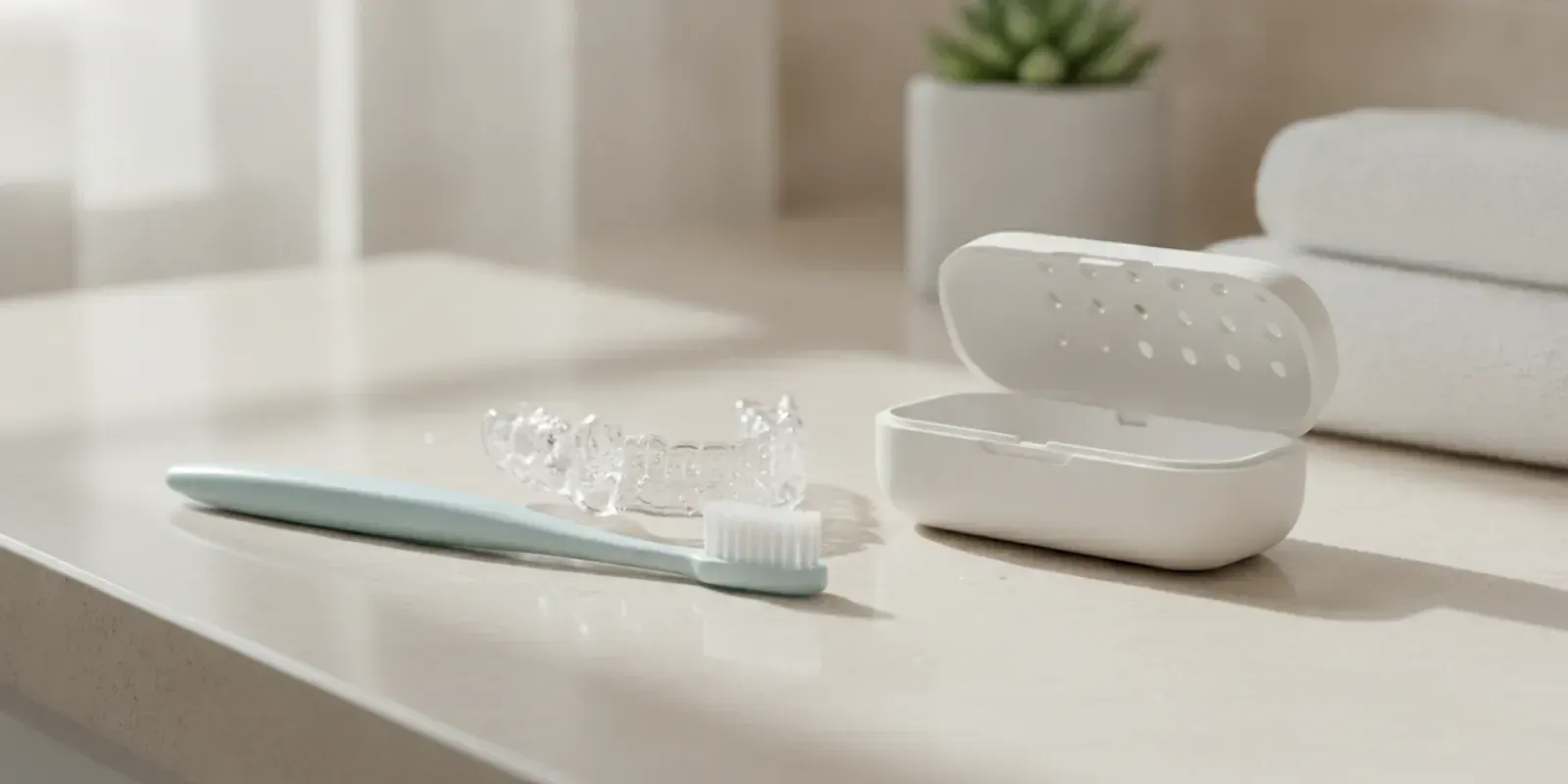
A custom oral appliance may be an option for some people with obstructive sleep apnea, including those who have difficulty using PAP or prefer to discuss another approach. Many appliances gently move the lower jaw forward to help keep the airway open. A dentist or orthodontist can assess your teeth and jaw, arrange a custom fit, and explain how to wear and care for the device.
The right appliance depends on your diagnosis and individual needs, so it’s important to coordinate care with your sleep provider. Follow-up visits can help check the fit, address side effects, and determine whether the appliance is working. Your provider may recommend another sleep test while you use it. Explore the dental services offered by Bain Dental & Aesthetics Group and ask your care team whether a dental consultation could be appropriate.
Lifestyle Changes and Positional Therapy
Lifestyle changes may support sleep apnea treatment, but they don’t necessarily replace a prescribed device or other care. Depending on your needs, your provider may suggest regular physical activity, healthy sleep habits, limiting alcohol, quitting smoking, or working toward a weight that supports your health. Ask for guidance before making major changes, especially if you have other health conditions or take medication.
For some people, sleep apnea is worse when they sleep on their back. Positional therapy uses strategies or devices to encourage side sleeping. Whether it may help depends on your sleep study results and the pattern of your symptoms. The NHLBI lists lifestyle steps that may help manage sleep apnea. Talk with your provider about which changes could complement your main treatment.
Surgery and Other Options for Some Patients
A specialist may discuss surgery or another procedure if other treatments haven’t worked well or aren’t suitable. Options depend on where the airway narrows and may include removing enlarged tonsils or other tissue, moving the jaws forward, or implanting a device that stimulates a nerve involved in tongue movement. Weight-loss surgery may be considered for some people when obesity contributes to sleep apnea.
A specialist will assess whether a procedure fits your diagnosis and may use additional testing to locate airway blockage. Ask about potential benefits, risks, recovery, and follow-up testing. Surgery can improve sleep apnea for some people, but results vary, and treatment may still be needed afterward. The Cleveland Clinic Journal of Medicine reviews surgical and other treatment options.
How Does CPAP Therapy Work, and What Can You Expect?
How Air Pressure Keeps the Airway Open
Continuous positive airway pressure, or CPAP, delivers a steady flow of pressurized air through a mask while you sleep. That airflow helps keep your upper airway open, reducing breathing interruptions caused by obstructive sleep apnea. The machine supports your breathing, but it does not breathe for you or provide extra oxygen unless a clinician has prescribed oxygen separately.
A sleep specialist uses your evaluation and sleep study results to decide whether CPAP is appropriate and determine your treatment settings. You can choose from different mask styles, including masks that cover your nose, fit beneath your nostrils, or cover both your nose and mouth. A comfortable seal helps limit air leaks, so tell your equipment provider if a mask feels too tight or doesn’t fit well.
Benefits and Limits of PAP Treatment
CPAP is a common first-line treatment, especially for people with moderate or severe obstructive sleep apnea. When used as prescribed, it can reduce breathing events, ease daytime sleepiness, and improve sleep-related quality of life. PAP therapy may also help lower blood pressure for some people, as described in the Cleveland Clinic Journal of Medicine’s review of sleep apnea treatments.
CPAP manages sleep apnea while you use it, but it may not eliminate the condition. It is also not the only treatment option. Depending on your diagnosis and preferences, your care team may discuss an oral appliance, positional therapy, lifestyle changes, or other approaches. Don’t stop using CPAP or change your settings because you feel better. Talk with your clinician first, since treatment decisions should reflect your symptoms and sleep study results.
Common Challenges: Mask Fit, Dryness, and Discomfort
It can take time to adjust to wearing a mask and sleeping with airflow. A mask that doesn’t fit well may cause air leaks, pressure marks, or skin irritation. PAP therapy can also contribute to nasal congestion, a runny nose, dry mouth or eyes, and nosebleeds. The National Heart, Lung, and Blood Institute’s treatment guidance advises contacting a healthcare provider if PAP causes stomach discomfort or bloating.
If CPAP feels uncomfortable, let your sleep specialist or equipment provider know what you’re experiencing. A different mask style, a fit adjustment, or a humidifier may help. Don’t adjust the air pressure yourself, since your clinician should guide changes to your prescribed settings. If using a mask remains difficult, ask your care team whether another treatment could be appropriate. Bain Dental & Aesthetics Group provides sleep apnea treatment, including dental care that may be considered as part of a treatment plan.
Improve Comfort and Use PAP Consistently
Small adjustments can make CPAP easier to use. Ask your equipment provider to check the mask fit, and follow the manufacturer’s cleaning instructions. If you have dryness or congestion, ask your care team whether heated humidification or a different mask style might help. If wearing the mask feels unfamiliar, ask whether you can practice with it while awake before using it overnight.
Keep follow-up appointments, especially during the first weeks of treatment. Your care team can review device use, check for air leaks, and discuss any side effects or ongoing symptoms. Mask selection, prescribed pressure adjustments, education, and regular support may make PAP more comfortable and help you use it consistently, according to the Cleveland Clinic Journal of Medicine. Share concerns early rather than setting the device aside, so your team can help find a workable solution.
How Can Oral Appliances Treat Sleep Apnea?
A custom oral appliance may help keep your airway open while you sleep. A dentist can assess your teeth and jaw, then coordinate with your sleep provider to determine whether a device suits your diagnosis and treatment plan. It’s important to confirm that it works, rather than relying on snoring or other symptoms alone.
How Custom Devices Reposition the Jaw
Many oral appliances fit over your teeth and gently move your lower jaw forward. This position can help keep the airway open by reducing the chance that soft tissues in your throat will block airflow during sleep. Other devices hold the tongue forward. The American Lung Association explains how oral appliances are used to treat sleep apnea, often for people with mild to moderate obstructive sleep apnea.
A dentist custom-fits the device to your mouth. That fit is important for comfort and function, and the appliance may need adjustments over time. Your sleep provider can help determine whether it’s an appropriate option and may recommend follow-up testing to check how well it controls your sleep apnea.
Who May Benefit
Oral appliances may be an option for people with mild to moderate obstructive sleep apnea, as well as some people who can’t tolerate or prefer not to use PAP therapy. In some cases, a sleep provider may consider an appliance for someone with more severe sleep apnea. The right choice depends on your sleep study results, oral health, airway, and treatment goals.
Severity alone doesn’t determine whether an appliance is suitable. Discuss your options with your sleep provider before changing or stopping any prescribed treatment. A dentist can check whether your teeth and jaw can support a device and explain what follow-up care involves. Bain Dental & Aesthetics Group offers a range of dental services, and its team can help you discuss dental considerations as part of your care.
Follow Up on Fit and Side Effects
Your dentist should check how the appliance fits and monitor your teeth, bite, jaw, gums, and existing dental work. Some people experience temporary jaw soreness, tooth discomfort, dry mouth, or changes in how their teeth meet. Tell your dentist about new or persistent symptoms. Don’t adjust the device yourself unless your dentist has shown you how, and bring it to appointments so it can be checked.
Follow-up visits also help your care team assess whether the device remains comfortable and suitable. The Cleveland Clinic Journal of Medicine recommends regular dental follow-up, including checks every six months during the first year and then yearly. Your schedule may differ based on your needs, so follow the plan your dentist recommends.
Know When to Contact Your Dentist About an Appliance
Contact your dentist if the appliance feels loose, causes ongoing pain, irritates your gums, or leaves your bite feeling different after you take it out. Reach out if it cracks, breaks, or no longer fits comfortably. Your dentist can assess whether it needs repair or adjustment. If you have significant discomfort, ask for guidance rather than continuing to wear the device without checking in.
Let your sleep provider know if snoring, breathing pauses, gasping, or daytime sleepiness continue while you use the appliance as directed. Your provider may recommend an adjustment or follow-up sleep testing to see whether treatment is working. Don’t stop CPAP or another prescribed treatment unless your care team advises you to. Your dentist can monitor the appliance and your oral health, while your sleep provider checks how well your sleep apnea is controlled.
What Lifestyle Changes Can Help Manage Sleep Apnea?
Lifestyle changes may support sleep apnea treatment, but what helps depends on the type and severity of the condition. A sleep specialist can help you decide which changes are appropriate and how to combine them with prescribed care.
Manage Weight and Stay Physically Active
For some people, excess weight can contribute to airway narrowing during sleep. If weight loss is appropriate for you, gradual changes to eating and activity habits may help reduce sleep apnea severity. The National Heart, Lung, and Blood Institute notes that even modest weight loss may improve symptoms for some people.
Choose activities you can maintain, such as walking or another form of movement you enjoy, and ask your healthcare provider what goals are safe for you. Weight management is not a substitute for treatment, and sleep apnea can affect people at any body size. Continue using prescribed therapy unless your provider recommends a change.
Change Your Sleep Position and Try Positional Therapy
For some people with obstructive sleep apnea, breathing events happen more often when they sleep on their backs. Sleeping on your side may help keep the airway more open. The Cleveland Clinic Journal of Medicine describes positional therapy as strategies or devices that discourage back sleeping.
A body pillow may help you stay on your side, but check with your provider before relying on positional therapy. It may be useful as part of a treatment plan, but it does not work for everyone or address every breathing event. Don’t stop using a PAP device or oral appliance unless your provider tells you to.
Avoid Alcohol Before Bed and Review Your Medicines
Alcohol can relax the muscles that help keep your airway open, potentially making breathing events more frequent or longer. The American Lung Association’s sleep apnea guidance recommends avoiding alcohol for at least four hours before bed.
Some medicines, including sedatives and sleeping pills, may also affect breathing during sleep. Don’t stop or change a prescribed medicine on your own. Instead, review your medicines and supplements with your doctor or pharmacist, especially if you experience snoring, gasping, or daytime sleepiness. They can help you understand possible effects and discuss alternatives if needed.
Why Lifestyle Changes May Not Replace Prescribed Treatment
Lifestyle changes can support sleep apnea care, but they may not keep your airway open enough on their own. Treatment depends on factors such as your sleep study results, symptoms, and overall health. Keep using your prescribed PAP device or oral appliance unless your provider recommends a change.
If you’re considering an oral appliance, discuss it with your sleep specialist and dentist. Bain Dental & Aesthetics Group provides sleep apnea care and can help you discuss whether a dental appliance may fit into your treatment plan. Dental care should be coordinated with your sleep specialist, who can help assess whether the treatment is working.
When Do Providers Consider Surgery and Other Treatments?
Providers may discuss surgery or other treatments when PAP therapy is not effective, is difficult to use, or cannot be used. The right approach depends on sleep study results, airway anatomy, overall health, and personal preferences. A sleep specialist can explain the options and coordinate with a dentist when an oral appliance may be suitable.
Procedures That Address Airway Blockages
Some procedures aim to improve airflow by addressing a specific cause of blockage. Depending on a person’s anatomy and health, options may include removing enlarged tonsils or other tissue, moving the jaws forward, or stimulating the nerve that controls tongue movement. Weight-loss surgery may be considered for some people when obesity contributes to sleep apnea and other treatments have not worked.
A specialist may use drug-induced sleep endoscopy to see where the airway narrows during sleep and help guide treatment planning. The National Heart, Lung, and Blood Institute outlines several treatment options, but not every procedure is appropriate for every patient. Ask which option addresses your specific airway concerns and what results you can reasonably expect.
Options for People Who Can’t Use PAP
If PAP feels uncomfortable or is difficult to use, talk with your provider before stopping treatment. A different mask, equipment adjustment, humidification, or pressure change may make therapy easier. Your provider can also check whether the device is working as intended and whether another approach might better fit your needs.
For some people, a custom oral appliance is an alternative. A dentist fits the device to move the lower jaw forward, helping keep the airway open during sleep. The American Lung Association describes oral appliances as an option for some people who cannot tolerate CPAP. A sleep specialist and dentist can determine whether one may suit your diagnosis and monitor its effectiveness. Bain Dental & Aesthetics Group offers sleep apnea treatment; ask your care team whether a dental evaluation is appropriate.
Weigh Risks, Recovery, and Follow-Up Testing
Before choosing a procedure, ask your care team about potential benefits, risks, recovery time, and alternatives. Expected results vary based on the procedure and the reasons your airway becomes blocked. You may need follow-up appointments, time away from usual activities, or additional care while you recover. Make sure you understand how the procedure could affect any other health conditions or treatments.
Care may continue after healing. Your provider may recommend another sleep study to check whether sleep apnea has improved and whether you need ongoing treatment. The American Lung Association notes that repeat testing may also be appropriate after significant weight changes. Contact your provider if snoring, breathing pauses, or daytime sleepiness return. Follow-up helps your care team assess whether the treatment is working over time.
Why Surgery May Not Cure Sleep Apnea
Surgery can help selected patients, but it is not a guaranteed cure. Sleep apnea may involve more than one area of the airway, and its causes can change over time. Some people continue to need PAP or another treatment after surgery. Others may need additional evaluation if symptoms persist or return. A review of treatment options for obstructive sleep apnea explains why providers weigh surgery against other approaches.
Keep follow-up appointments and use any prescribed treatment unless your provider advises otherwise. Feeling less tired or noticing less snoring does not necessarily mean sleep apnea has resolved. Your care team can review your symptoms and recommend testing when needed to see whether treatment is still effective. If your symptoms change, share what you have noticed rather than waiting for your next routine visit.
What Sleep Apnea Treatment Myths Should You Know?
Sleep apnea treatment depends on the type and severity of the condition, your symptoms, and your overall health. Clearing up common myths can help you have a more informed conversation with your care team. A sleep specialist can guide diagnosis and treatment, and a dental provider may help determine whether an oral appliance is suitable.
CPAP Isn’t the Only Treatment Option
Continuous positive airway pressure, or CPAP, is a common treatment for obstructive sleep apnea, but it isn’t the only option. Some patients may benefit from a custom oral appliance, fitted by a dentist to gently reposition the lower jaw and help keep the airway open. An appliance may be an option for people who can’t tolerate CPAP, but it isn’t appropriate for everyone. A sleep specialist should confirm the diagnosis and help guide treatment decisions. If CPAP feels uncomfortable, tell your care team before stopping or changing how you use it. They may adjust the mask or settings, or discuss alternatives. Learn more about common sleep apnea treatment myths.
Feeling Better Doesn’t Mean Sleep Apnea Is Cured
If treatment improves snoring, daytime sleepiness, or other symptoms, it may be tempting to think sleep apnea has gone away. In many cases, symptom relief means the treatment is working, not that the condition is cured. Stopping CPAP or another prescribed treatment without medical advice may cause symptoms to return. If your comfort or health needs have changed, contact your provider before adjusting your treatment. They can review your symptoms and, when available, device data to decide whether a change or repeat sleep testing is appropriate. Atlantic Health explains why improved symptoms don’t necessarily mean sleep apnea has resolved.
Mild Sleep Apnea May Still Need Treatment
A “mild” diagnosis doesn’t automatically mean treatment is unnecessary. Your provider may consider symptoms, sleep study results, other health conditions, and how breathing disruptions affect your rest. Depending on your individual needs, treatment might include CPAP, a custom oral appliance, or other recommendations. Don’t assume that treatment is only useful for severe sleep apnea, and don’t begin or stop treatment without guidance. Ask your provider to explain your sleep study results and the potential benefits and limitations of each option. Atlantic Health notes that CPAP may be recommended for different levels of sleep apnea.
Treatment Needs Differ for Adults and Children
Sleep apnea can affect adults and children, but its causes and treatment may differ by age. In children, enlarged tonsils or adenoids can contribute to airway obstruction during sleep. Women can also have sleep apnea, including after menopause, and symptoms may not always match the familiar image of loud snoring. If a child regularly snores, gasps during sleep, or seems unusually tired during the day, talk with a pediatric provider. Adults with possible symptoms should also seek an evaluation. A provider can recommend the right assessment and care based on age, symptoms, and likely cause. WebMD shares more facts about who can develop sleep apnea.
How Can Providers Choose and Monitor the Right Treatment?
The right sleep apnea treatment depends on more than a diagnosis. Providers consider sleep study results, symptoms, airway features, overall health, and what a person can use comfortably and consistently. Follow-up helps the care team see whether treatment is working and address problems before they lead someone to stop using it.
Consider Sleep Study Results, Symptoms, and Airway Features
A sleep study helps confirm sleep apnea and identify its type and severity. Providers consider those findings alongside symptoms such as loud snoring, gasping during sleep, morning headaches, or daytime sleepiness. Airway features may also affect which treatment is most appropriate.
Symptoms alone can’t confirm a diagnosis or show how well a treatment is working. Before starting, changing, or stopping treatment, ask your provider how your sleep study results inform the recommendation. The National Heart, Lung, and Blood Institute’s overview of sleep apnea treatment explains that options may include devices, lifestyle changes, medication, therapy, or surgery. Understanding why a particular option is recommended can make it easier to know what to expect and what changes to report.
Factor In Health Conditions, Preferences, and Daily Routines
Sleep apnea and its treatment affect people differently. Along with sleep study results, providers may consider symptoms, airway features, other health conditions, and a patient’s preferences. Daily routines matter, too. A treatment needs to fit a person’s sleep habits and be practical to use at home or while traveling.
Tell your provider what concerns you, whether that’s wearing a mask, using a device every night, or managing discomfort. Being candid can help the care team troubleshoot or discuss other suitable options. The Cleveland Clinic Journal of Medicine’s review of obstructive sleep apnea treatments describes how factors such as severity, health conditions, and patient preferences can shape treatment decisions. Ask about the benefits and limitations of each option, and make sure you understand how to use it as directed.
Learn the Possible Side Effects and When to Report Them
Before starting treatment, ask what side effects to expect and when to contact your provider. PAP therapy may cause nasal congestion, a dry mouth or eyes, a runny nose, or nosebleeds. Your provider may be able to recommend ways to improve comfort, such as checking the mask fit or discussing humidification. Don’t change pressure settings on your own.
Contact your healthcare provider if side effects continue or make treatment difficult to use. The National Heart, Lung, and Blood Institute advises stopping the machine and contacting a provider if it causes stomach discomfort or bloating. Don’t discontinue prescribed treatment without discussing what to do next. Reporting a problem gives your care team a chance to assess the cause and recommend an appropriate adjustment or alternative.
Coordinate Care Between Sleep Specialists and Dental Providers
Sleep apnea treatment may involve both a sleep specialist and a dental provider, especially when a custom oral appliance is being considered. A sleep specialist diagnoses the condition and guides treatment based on the patient’s evaluation. A dentist or orthodontist can assess and fit an oral device for appropriate patients.
A custom appliance may be an option for some people who can’t use PAP or prefer to discuss another treatment. The National Heart, Lung, and Blood Institute notes that a dentist or orthodontist can fit an oral device. Share your sleep study results and treatment updates with both providers so they can coordinate care. If you’re exploring a dental option, ask how your dentist will communicate with the clinician managing your sleep apnea and how follow-up will confirm the appliance is helping.
Track Symptoms, Device Use, and Results
Keep a simple record of your symptoms and treatment experience. Note things like snoring, nighttime awakenings, morning headaches, daytime energy, and discomfort from a mask or oral appliance. If you use PAP, ask your provider how to review information about device use. These details can help your care team assess progress during follow-up visits.
If you’re struggling to use PAP, let your provider know rather than simply stopping. Mask fit, dryness, and other comfort problems may be addressed, and your team can discuss appropriate alternatives if needed. The Cleveland Clinic Journal of Medicine recommends working with the care team to resolve comfort and adherence concerns. Bring your notes and questions to appointments. Together, you and your providers can consider both the treatment information and how you feel day to day.
Adjust Treatment or Repeat Testing as Needed
Your treatment may need review if symptoms continue, side effects make it hard to follow, or your health or weight changes. Don’t adjust PAP pressure or stop using a prescribed device without first speaking with your provider. They can assess whether the fit, settings, or treatment approach needs attention and determine whether additional evaluation is appropriate.
A follow-up sleep study may help show whether treatment is working. Repeat testing may also be recommended after significant weight gain or loss. Sleep apnea can return, so report new or returning snoring, gasping, or daytime sleepiness. The American Lung Association’s guidance on managing sleep apnea explains that follow-up testing may be needed and encourages patients to share new symptoms with their provider. Even if treatment helped before, don’t assume returning symptoms will resolve without an assessment.
Discuss Sleep Apnea Treatment With Bain Dental & Aesthetics Group
If you’re interested in a dental option for sleep apnea, first ask your sleep specialist whether a custom oral appliance may suit your diagnosis and treatment needs. A dental provider can discuss whether an appliance may be appropriate and address fit and follow-up. Your sleep specialist can help evaluate whether it is managing your sleep apnea. Keep both providers informed about your symptoms and any treatment changes.
Bain Dental & Aesthetics Group includes sleep apnea care among its dental services. The team can discuss dental care options and help you plan next steps with your medical provider. Learn more about the Bain Dental team, or contact an office in Bowdon, Carrollton, or Villa Rica to ask about an appointment.
Related Articles
- What Doctors Want Patients to Know About Sleep Apnea
- Treating and Managing Sleep Apnea
- Sleep Apnea: Treatment
- Obstructive Sleep Apnea: Diagnosis and Management
- 10 Myths About Sleep Apnea
Frequently Asked Questions
Can snoring alone mean I have sleep apnea? Not necessarily. Snoring can have several causes, and some people with sleep apnea don’t snore loudly. If someone notices pauses in your breathing, or you often wake feeling unrested or feel sleepy during the day, talk with a healthcare provider about whether an evaluation is appropriate.
How is sleep apnea confirmed? A sleep study records breathing and other body functions while you sleep. Depending on your situation, a provider may recommend a home test or an overnight study in a sleep lab. The results help identify the type and severity of sleep apnea and guide treatment.
Is CPAP the only treatment for sleep apnea? No. Some people may be candidates for a custom oral appliance, positional therapy, lifestyle changes, or a procedure. The right option depends on your diagnosis, health, and treatment needs. Talk with your sleep provider before changing or stopping prescribed care.
Can a dentist provide an oral appliance for sleep apnea? A dentist can assess your teeth and jaw and fit a custom appliance for appropriate patients. Your sleep provider should help determine whether it suits your diagnosis, and follow-up testing may be recommended to check how well it works.
Does feeling better mean my sleep apnea is gone? Not always. Improved sleep or reduced snoring may mean treatment is helping, but it doesn’t confirm that sleep apnea has resolved. Keep using prescribed treatment unless your provider advises a change, and ask whether follow-up testing is needed.