Dental Cleaning and Exam: What to Expect at Your Visit
Get answers about your dental cleaning and exam—what happens, how to prepare, and tips for a comfortable visit with your dental team.
Routine dental visits do more than leave your teeth feeling clean. A dental cleaning and exam gives your care team a chance to remove hardened tartar, assess your gums, and look for changes that may need attention. Your hygienist and dentist can also answer questions about sensitivity, bleeding, home-care habits, or a dental concern you’ve noticed. The appointment may vary based on your health history and when you last came in, so it helps to know what the process can involve. Here’s what to expect, how to get ready, and how to discuss costs and next steps with your dentist.
Key Takeaways
- Know what each part of your visit covers: A cleaning removes plaque and tartar, while an exam checks your teeth, gums, bite, and oral tissues.
- Ask your dentist how often to return: Your ideal schedule depends on your oral health, dental history, and overall health, so six months may not suit everyone.
- Prepare to make your visit more useful: Share symptoms, medications, and comfort concerns, and ask about costs and payment options at Bain Dental & Aesthetics Group’s Bowdon, Carrollton, or Villa Rica office.
What Happens During a Dental Cleaning and Exam?
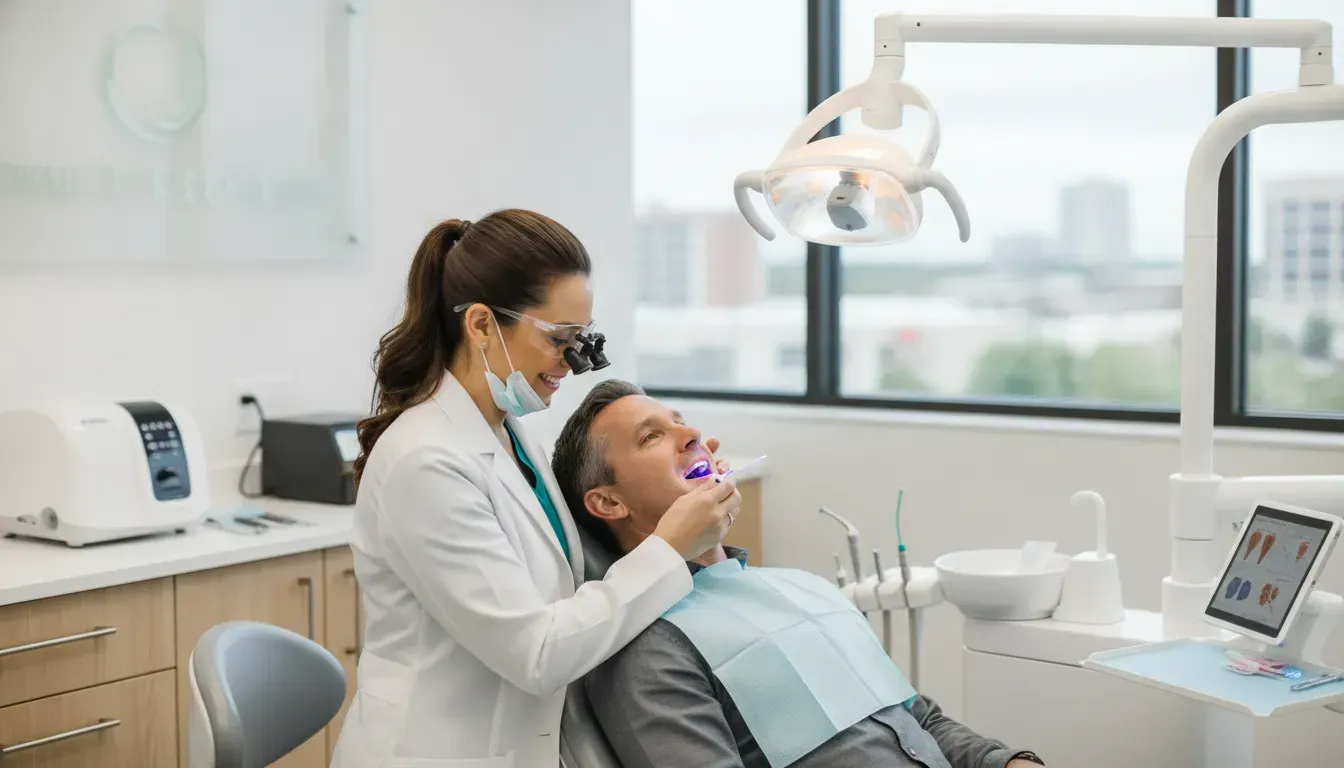
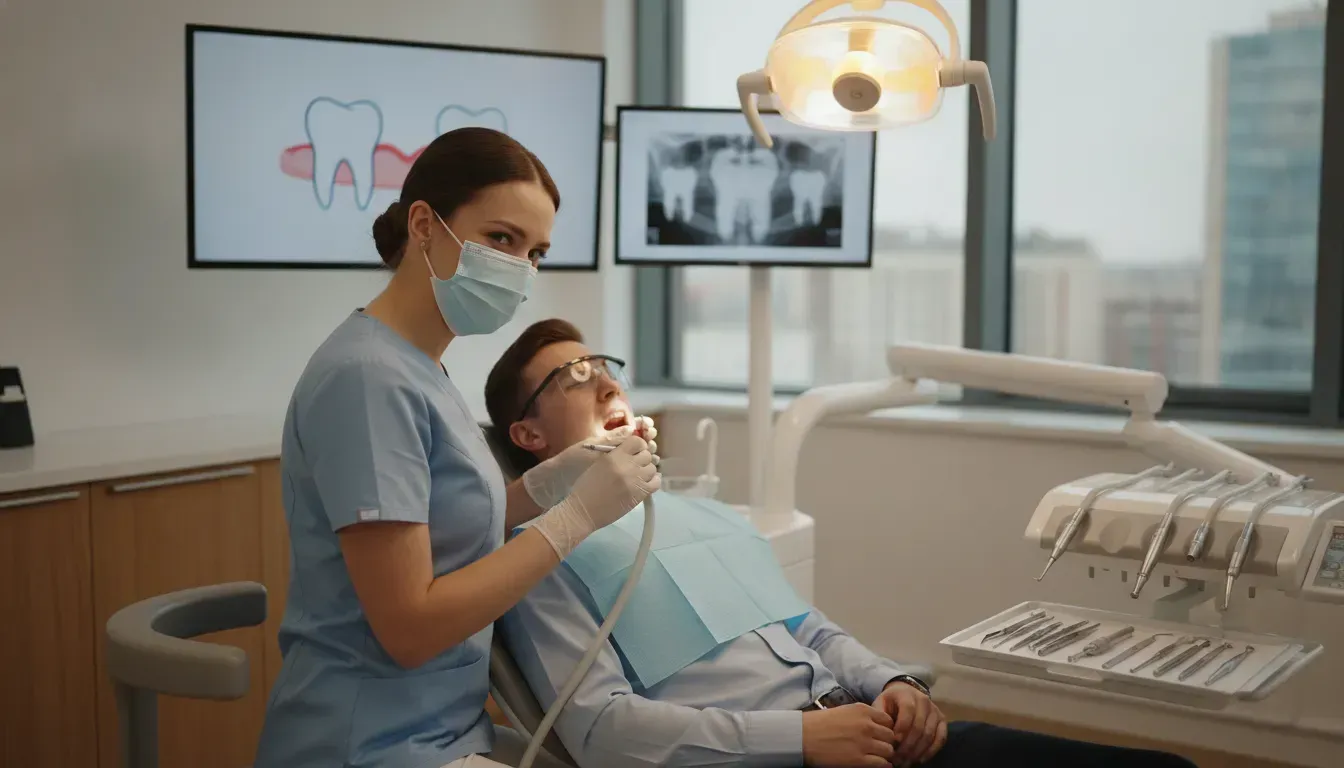
A dental cleaning and exam usually includes two parts: removing plaque and tartar, then checking your teeth, gums, and other areas of your mouth. Your hygienist and dentist may explain each step as they go. Tell them if you feel discomfort or have questions, and they can help make the visit more comfortable.
The order and length of these steps can vary based on your needs, dental history, and the time since your last visit. Your dentist may also recommend X-rays to check areas that aren’t visible during an exam. At Bain Dental & Aesthetics Group, patients can discuss their needs with a team offering a range of dental services in Bowdon, Carrollton, and Villa Rica.
How hygienists scale, polish, and floss
Your hygienist checks your teeth for plaque and tartar, also called calculus. Plaque is a soft film of bacteria that builds up on teeth. When it hardens into tartar, brushing and flossing at home can’t remove it. The hygienist uses dental instruments to scale your teeth, carefully clearing buildup from tooth surfaces and along the gumline.
Next, your hygienist polishes your teeth to remove some surface stains and smooth their surfaces. They may also floss between your teeth to clear away debris and check for areas that bleed or feel tender. You may notice temporary sensitivity or gum soreness after a cleaning. The Cleveland Clinic explains what scaling and polishing involve.
How dentists check your teeth, gums, bite, and oral tissues
Your dentist examines your mouth for signs of tooth decay, damaged or worn teeth, and gum inflammation or disease. They may also assess how your teeth fit together when you bite and look at the soft tissues inside your mouth, including your tongue and cheeks.
Share any symptoms or changes you’ve noticed, such as tooth pain, bleeding gums, sensitivity, or a sore that hasn’t healed. Even details that seem minor can help your dentist decide what to check more closely. A dental exam looks beyond the teeth to assess the health of your mouth and the structures that support speaking, chewing, and smiling. MedlinePlus describes what a dental exam may include.
How a cleaning differs from an exam
A cleaning focuses on removing plaque and tartar from your teeth. Your hygienist may also polish your teeth and offer tips for brushing and flossing, especially if you have areas that are difficult to reach at home.
An exam is an evaluation of your oral health. Your dentist looks for signs of cavities, gum disease, and other changes that may need attention, then discusses any recommended care. The cleaning and exam complement each other: one removes buildup, while the other helps identify potential concerns. As Delta Dental explains, a cleaning removes plaque and tartar, while an exam assesses your oral health.
When dentists recommend X-rays and how to discuss safety concerns
Your dentist may recommend X-rays to check areas that aren’t visible during a visual exam. Depending on your oral health and when you last had imaging, X-rays can help reveal concerns such as hidden cavities, gum disease, or bone loss. You may not need them at every visit.
If your dentist recommends X-rays, ask what they’re looking for and why imaging may be useful for you. Let the dental team know if you’re pregnant or might be pregnant, and bring up any concerns about radiation before the images are taken. Your dentist can explain the recommendation and how it fits into your care. MedlinePlus outlines what dental X-rays can help detect.
What to Expect at Your Appointment
A dental cleaning and exam is a chance to check your oral health, get professional care, and ask questions about anything that concerns you. Sharing details about your health and comfort helps your dental team tailor the visit to your needs.
Share your health history, medications, and concerns
Before your cleaning and exam, tell the dental team about changes to your health, medications or supplements you take, and any allergies or past reactions to dental care. Conditions such as diabetes or pregnancy may affect your care, so mention them even if they don’t seem related to your teeth.
Be specific about tooth pain, sensitivity, bleeding gums, jaw discomfort, or changes you’ve noticed in your mouth. If you have swollen, dark red, or bleeding gums, or ongoing tooth pain, contact your dentist rather than waiting for a routine exam. MedlinePlus explains why sharing symptoms and health history is an important part of a dental visit. If you’re unsure whether something is relevant, bring it up. Your dental team can help determine whether it affects your exam or treatment.
Learn each step of the visit and why appointment times vary
Your visit may include a review of your health history, a cleaning with a dental hygienist, and an exam with the dentist. The hygienist removes plaque and tartar, polishes your teeth, and may floss between them. The dentist checks your teeth, gums, bite, and oral tissues. Depending on your needs, the team may recommend X-rays to assess areas that aren’t visible during the exam.
Many visits take around 45 minutes to an hour, but appointment times vary. Your oral health, the amount of cleaning needed, and whether X-rays or additional care are appropriate can affect how long you’ll be at the office. Ask your dental team what to expect when you book, especially if you’re planning around work, school, or family commitments. Delta Dental’s guide to dental cleanings outlines common steps and why a dentist may recommend X-rays.
Discuss sensitivity, soreness, or dental anxiety
Tell your hygienist if your teeth are sensitive or your gums tend to feel sore during cleanings. They can explain each step, check in with you, and discuss ways to make the appointment more comfortable. If you feel anxious, let the team know before the exam begins. You might agree on a simple signal, such as raising your hand, to ask for a pause.
It’s common to have mild tooth sensitivity or gum soreness after a cleaning, and it usually improves within a few days. Mention any discomfort that feels severe or doesn’t improve so your dental team can advise you. A cleaning should not require you to quietly tolerate pain. Cleveland Clinic’s overview of dental checkups and cleanings describes possible after-effects and when to contact your dentist.
Review findings, home-care tips, and follow-up recommendations
Before you leave, ask the dentist to explain any findings in clear, everyday language. They may discuss areas to monitor, your gum health, or care they recommend. Dental exams can also help identify signs of oral conditions that may need attention. If the dentist suggests follow-up treatment, ask what it involves, how soon to arrange it, and whether you should watch for specific symptoms.
Use the appointment to ask for practical advice that fits your routine, such as brushing or flossing techniques, products for sensitivity, or how often to schedule cleanings and exams. The right schedule depends on your oral health and dental history. MedlinePlus recommends asking your dentist or hygienist how often you should have exams. Before you go, confirm your next steps and schedule any recommended follow-up care.
How Can You Prepare for Your Appointment?
Brush and floss as usual
Keep up your usual brushing and flossing routine before your appointment. There’s no need to scrub harder or try to make your teeth look perfect. A cleaning helps remove plaque and tartar that brushing at home can’t reach, and your dentist benefits from seeing your everyday oral health.
Make a note of anything you’d like to discuss, such as bleeding gums, tooth sensitivity, or a spot that’s difficult to clean. Even a small change can be useful information for your dental team. The Cleveland Clinic’s guide to dental checkups recommends sharing symptoms and questions with your dentist, so you can get advice that’s relevant to you.
Bring insurance details, a medication list, and questions
Bring your dental insurance information and any forms the office has asked you to complete. It’s also helpful to have a current list of prescription and over-the-counter medications, including doses. Add vitamins and supplements, too, since they’re part of your health history and may be relevant to your care.
Before you arrive, write down questions you want to cover. You might ask about home-care techniques, recommended treatment, or the estimated cost of follow-up care. If you’re unsure what your insurance covers, ask the office to help review your benefits and expected out-of-pocket costs. You can also browse Bain Dental & Aesthetics Group’s dental services and bring questions about care that may be relevant to your exam.
Tell the team about anxiety, sensitivity, or accessibility needs
Let the dental team know if you feel anxious, have sensitive teeth, or need support with mobility, communication, or another accessibility concern. You can share this when you schedule or at the beginning of your visit. That gives the team a chance to discuss options and explain what to expect before treatment begins.
During the appointment, you can ask the team to explain each step or pause if you need a break. Speaking up helps your dental team respond to your needs and make the visit more comfortable. The Cleveland Clinic recommends discussing dental anxiety with your dentist, so you can talk through ways to feel more at ease during care.
Manage temporary sensitivity and know when to call
Mild gum soreness or tooth sensitivity can happen after a cleaning, especially if your gums are irritated or it’s been a while since your last visit. It often settles within a few days. Follow any instructions your dental team gives you, and check with them before taking medication if you’re unsure what’s suitable for you.
Contact your dentist if discomfort is severe, gets worse, or doesn’t improve. Reach out sooner if you notice symptoms such as swelling or persistent bleeding. Your dental team can help you decide whether you need to be seen and what to do next. The Cleveland Clinic’s information about dental cleanings describes possible temporary soreness and sensitivity, and encourages patients to contact their dentist with concerns.
How Often Should You Get a Dental Cleaning and Exam?
Many people have a dental cleaning and exam every six months, but that’s a starting point, not a schedule that fits everyone. Your dentist can recommend how often to come in based on your oral health, dental history, and overall health. If you’re unsure when to book your next visit, ask your dental team what interval they recommend and why.
Why dentists often recommend visits every six months
A visit every six months gives your dental team regular opportunities to clean your teeth, check your gums, and look for changes. During a cleaning, a hygienist removes tartar that brushing and flossing can’t clear away. An exam helps the dentist identify concerns, including some that may not cause pain or other noticeable symptoms yet. The Cleveland Clinic’s guide to dental checkups explains what you can expect during a routine visit.
Even if your teeth feel fine, keeping up with checkups can help your dentist follow changes over time. Ask when you should return and whether there are signs to watch for between visits. Bain Dental & Aesthetics Group provides cleanings and other dental services for patients in Bowdon, Carrollton, and Villa Rica.
How age, dental history, and oral health shape your schedule
Your ideal schedule depends on more than your age or the date of your last visit. Your dentist may consider your history of cavities or gum problems, the condition of your teeth and gums, and how easily you can clean your teeth at home. Children, adults, and older adults may have different preventive needs, too. After reviewing your health and exam findings, your dentist can suggest a schedule that makes sense for you.
Tell your dental team about past treatments and any changes you’ve noticed, such as sensitivity, discomfort, or bleeding when you brush. That context helps them make a more informed recommendation. The MedlinePlus overview of dental exams describes how an exam can help assess your oral health and guide follow-up care.
When gum disease or other risks call for more frequent care
If you have gum disease, frequent cavities, or another ongoing dental concern, your dentist may recommend visits more often than every six months. More frequent follow-up can help your team monitor your oral health and adjust your care plan when needed. Ask how often you should come in, and what the visits will help your dental team track.
Don’t wait for your next scheduled exam if you notice swollen or dark red gums, bleeding when you brush, or persistent tooth pain. Contact your dental office to ask whether you need an appointment sooner. These symptoms can have different causes, so it’s best to get professional guidance rather than trying to diagnose the problem yourself. MedlinePlus advises contacting a dentist about symptoms such as bleeding gums or tooth pain.
How smoking, diabetes, and other conditions affect recommendations
Smoking and diabetes can affect your oral health and may raise your risk of gum problems. Other health conditions, medications, or changes in your overall health may also influence the care your dentist recommends. Share this information at your appointment, even if you’re not sure it relates to your teeth. Your dental team can consider your health history alongside your exam findings when suggesting how often to schedule cleanings and exams.
If your dentist recommends more frequent visits, ask what the schedule is intended to address and when it may be reassessed. The MedlinePlus guide to dental exams notes that factors such as smoking and diabetes can affect oral health. A schedule tailored to your needs can help your team keep an eye on risks and respond to changes.
What Are the Benefits of Regular Dental Cleanings and Exams?
Regular cleanings and exams give your dental team a chance to care for your teeth and gums, check for changes, and answer questions about your oral health. They can also help you address concerns early, before they become more difficult to treat. Your dentist can recommend a visit schedule based on your health and dental history.
Remove plaque and tartar to help prevent cavities and gum disease
Plaque is a sticky film of bacteria that builds up on teeth. Brushing and flossing help remove it, but plaque that hardens into tartar can’t be cleared away with a toothbrush. During a professional cleaning, a hygienist removes plaque and tartar from areas that can be hard to reach at home.
Keeping buildup under control helps reduce the risk of tooth decay and gum inflammation. Your hygienist can also point out places where you may need to adjust your brushing or flossing technique. Find out more about what happens during a dental cleaning, including how dental professionals remove plaque and tartar.
Find dental problems and oral tissue changes early
During an exam, your dentist checks for cavities, gum problems, worn or damaged teeth, and changes in the soft tissues of your mouth. Some problems don’t cause pain at first, so an exam may identify an issue before you notice symptoms.
Your dentist may look for unusual sores, lumps, or patches and recommend follow-up if something needs closer attention. Exams can sometimes reveal signs of infection or other health concerns, but they don’t replace care from your physician. MedlinePlus explains what a dental exam may assess, including the health of your teeth and mouth.
Support gum and long-term oral health
Healthy gums help support your teeth. At a cleaning, your dental team can check for redness, tenderness, bleeding, or gum pockets that may need attention. If you have gum disease or a higher risk of developing it, your dentist may suggest more frequent visits or additional gum therapy.
Oral health is also connected with overall health. Gum disease has been associated with conditions such as diabetes and heart disease, though an association does not mean one directly causes the other. Regular visits let you and your dentist monitor changes and discuss any concerns. Bain Dental & Aesthetics Group provides preventive and other dental services to support ongoing oral health.
Address concerns before they need more extensive treatment
A small cavity, sore gum, or chipped tooth may be simpler to treat when it’s found early. If a concern goes unnoticed, it can worsen and may require more involved care. Routine visits also give you a chance to mention sensitivity, bleeding, bad breath, or changes in your bite, even if the symptoms seem minor.
Your dentist can explain what they find, discuss treatment options, and recommend next steps based on your needs. Regular visits can’t prevent every dental problem, but they can help you respond sooner and make informed decisions about your care. The Cleveland Clinic describes routine dental checkups as one way to catch concerns and stay ahead of more serious problems.
How Much Does a Dental Cleaning and Exam Cost?
What affects the cost of your visit
The cost depends on the services you need, your location, and whether you’re a new patient. A routine cleaning, also called a prophylaxis, typically costs $100 to $250 when paid out of pocket, according to CWD Dental Group’s cost guide. Your estimate may differ, so ask the dental office which services and fees it includes.
Your oral health can affect the type of cleaning recommended. If you need gum therapy or other care beyond a routine cleaning, the cost will likely be different. Ask whether the proposed service is preventive care or follow-up treatment, and request an estimate before scheduling. That way, you can understand the expected cost and plan your next steps.
How X-rays and follow-up care affect your estimate
An exam and X-rays may be billed separately from a cleaning. For a new patient who needs a comprehensive exam and X-rays, the total visit may range from $150 to $400, according to CWD Dental Group. Guardian’s overview of dental procedure costs also provides a general reference point, but actual fees vary by practice and location.
Your dentist may recommend X-rays based on your dental history, symptoms, and the information needed to assess your teeth and gums. If the exam identifies a concern that calls for additional care, ask for a separate estimate. You can also ask which treatment needs prompt attention and what can be planned for a later visit.
Check insurance coverage and out-of-pocket costs
Dental plans often cover routine cleanings and exams, but coverage limits and visit frequency vary. Check whether your dentist is in network, how often your plan covers preventive care, and whether X-rays are included. Delta Dental recommends reviewing your benefits or calling your plan if you need help understanding what’s covered.
Even when preventive care is covered, you may owe part of the cost for X-rays, gum therapy, or treatment recommended after the exam. Before your appointment, ask the dental office to check your benefits and explain your estimated share. Since an estimate is not a guarantee of payment, confirm coverage with your insurance provider as well.
Ask about savings plans and flexible financing
If you don’t have dental insurance, or your plan doesn’t cover the full cost, ask about other ways to pay. An in-house dental savings plan may help make routine care easier to budget for. Before enrolling, check the fee, what services are included, and whether the plan has limits or exclusions.
For treatment beyond a routine cleaning, ask whether flexible financing is available and what terms apply. Bain Dental & Aesthetics Group offers an in-house dental savings plan and flexible financing. Contact the practice before your visit to discuss your needs and request a clear estimate. Knowing the expected cost and available payment options can help you decide how to plan for care.
How Do You Choose a Dentist for a Dental Cleaning and Exam?
Choosing a dentist is about more than finding an open appointment. You want a qualified team that listens to your concerns, explains your care in plain language, and helps you feel comfortable asking questions. Think about what matters most to you: convenient office hours, a nearby location, help with dental anxiety, or access to other services if your needs change.
Before you book, check the practice’s credentials, patient reviews, services, and availability. Call or send a message with questions about what the cleaning and exam include, how costs are estimated, and whether the team can accommodate any health or accessibility needs. A good first conversation can help you understand what to expect.
It’s also worth considering how the office handles follow-up and payment. Ask how the dentist will explain findings and recommendations, and whether the practice offers options that fit your budget. Regular cleanings and exams help your dental team monitor your oral health over time. The Delta Dental guide to professional cleanings explains what a cleaning can involve, though your dentist will tailor recommendations to your needs. Use the points below to compare practices and choose care that feels right for you.
Check credentials, reviews, services, and availability
Look for information about the dentist’s education, credentials, and experience. Patient reviews can help you learn how other people describe the team’s communication, appointment process, and approach to comfort. They’re one source of insight, not a substitute for asking questions directly.
Check which services the practice offers, too. If you need gum therapy, emergency care, or another treatment in addition to routine visits, a practice with a range of dental services may help you coordinate care. Ask whether the office is accepting new patients, how far ahead appointments are booked, and whether it offers times that work for your schedule. You can also ask what to expect during a first cleaning and exam. Brend Dental’s list of common questions about cleanings can help you prepare questions for the team.
Look for clear estimates, helpful communication, and a comfortable setting
Before your visit, ask what the cleaning and exam include and whether additional services, such as X-rays, may affect the estimate. A helpful dental team should explain costs clearly, discuss how insurance may apply, and give you time to ask questions. If you’re unsure what a recommendation means, you should feel comfortable asking for more detail.
Notice how the team responds when you mention sensitivity, dental anxiety, or a health concern. They should listen and explain how they can make the appointment more comfortable. A calm, respectful setting can help you feel more at ease, especially if you haven’t had a cleaning in a while. You may also want to ask how long the appointment usually takes and whether you’ll have time to discuss your concerns. This guide to questions about dental exams and cleanings offers ideas to bring to your first conversation.
Find preventive care at Bain Dental & Aesthetics Group in Bowdon, Carrollton, or Villa Rica
Convenience can make it easier to keep routine appointments and return for recommended follow-up care. Bain Dental & Aesthetics Group provides dental care in Bowdon, Carrollton, and Villa Rica, Georgia, with a comfort-focused approach for individuals and families. Review the practice’s dental services to learn more about preventive and general care, then check the details for the Bowdon, Carrollton, or Villa Rica office.
When choosing a location, consider the drive, office hours, and how easily you can fit appointments into your routine. If you have questions about what to expect at your first visit, contact the team before scheduling. Sharing your concerns in advance can help the office prepare and give you a clearer idea of how the appointment will go.
Ask about personalized follow-up, the in-house dental savings plan, and flexible financing
Before you leave your appointment, make sure you understand what the dentist found, what you can do at home, and when to schedule your next visit. Ask for personalized guidance on brushing, flossing, or managing sensitivity. If the dentist recommends additional care, ask what the treatment involves, how soon it should be addressed, and what it may cost.
It’s also reasonable to discuss payment before agreeing to treatment. Ask how your insurance may apply and whether the practice offers an in-house dental savings plan or flexible financing. Bain Dental & Aesthetics Group offers both options, so you can speak with the team about which may suit your situation. Requesting a clear estimate and reviewing payment choices can help you plan for care and make decisions with confidence.
Frequently Asked Questions
Does a dental cleaning hurt? Most cleanings cause little discomfort, though you may feel sensitivity or mild gum soreness, especially if you have irritated gums or haven’t had a cleaning in a while. Let your hygienist know if something feels uncomfortable so they can check in and adjust as needed.
Should I get a cleaning if my teeth feel fine? Yes. Some dental concerns don’t cause noticeable symptoms at first. A cleaning removes hardened buildup, and an exam gives your dentist a chance to check for changes you may not see or feel.
Do I need X-rays at every dental exam? Not necessarily. Your dentist may recommend X-rays based on your dental history, symptoms, and when you last had imaging. Ask what the images would help assess and share any pregnancy-related concerns before they’re taken.
What should I bring to my first cleaning and exam? Bring your insurance details, a current list of medications and supplements, and any forms the office requested. It also helps to note questions or symptoms you want to discuss, such as sensitivity, bleeding gums, or jaw discomfort.
How can I find out what my visit will cost? Ask the dental office which services are included in the estimate and whether X-rays or follow-up care may add costs. Check your insurance benefits, too. Bain Dental & Aesthetics Group also offers an in-house dental savings plan and flexible financing; contact the team to ask about available options.